Installation guide
 Owner’s manual
 Error Codes


What is a common problem for a Whirlpool washer front loader?
A very common Whirlpool front-load washer problem is musty odor or mildew caused by moisture trapped around the door boot and detergent residue. Drain and spin complaints are also frequent. If you own Whirlpool model WTW8500DC1, note that it is a top-load washer, so the most common issues shift to lid lock, draining, and out-of-balance spinning; use the WTW8500DC1 owner's manual for model-specific checks.
Common front-load Whirlpool problems (what customers see most)
- Musty smell or visible mold at the door gasket area
- Water left in the drum after the cycle, slow drain, or no drain
- Excess vibration, walking, or loud rumbling during spin
- Leaks at the door area (often from debris on the seal)
- Error codes related to draining, locking, or motor control
If your washer is WTW8500DC1 (top load), start with these checks
- Confirm the lid fully closes and locks; a failed lock can stop fill or spin
- Check for a kinked or clogged drain hose and a blocked standpipe
- Reduce load size and redistribute items to prevent out-of-balance stops
- Verify hot and cold supply valves are fully open and inlet screens are clear
Parts on WTW8500DC1 that commonly match these symptoms
| Symptom on WTW8500DC1 | Part to inspect | What it does |
|---|---|---|
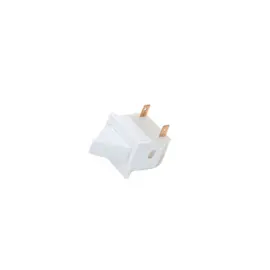
| Won’t start or won’t spin | Washer lid lock assembly W10810403 | Confirms lid is locked so the cycle can run |
| Won’t drain or drains slowly | Washer drain pump W10876600 | Pumps water out of the tub |
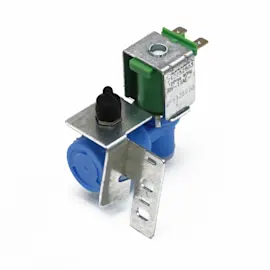
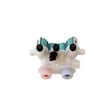
| Slow fill or no fill | Washer water inlet valve W11165546 | Controls water flow into the washer |
| Shakes or bangs in spin | Damper assembly, tub suspension (set of 4-includes suspension bushings and suspension balls) W11130356 | Stabilizes the tub during agitation and spin |
Why it matters
Odor issues in front-loaders get worse quickly if moisture stays trapped, and drain or balance problems in any washer can strain the drive system and suspension over time.
Last updated: January 2026
What is the capacity of the wtw8500dc1?
The Whirlpool WTW8500DC1 washer has a 5.3 cu. ft. capacity, which is considered a large-capacity top-load washer. That size is designed to handle bulky loads like comforters, towels, and mixed weekly laundry with fewer cycles.
How to confirm capacity for your exact configuration
Capacity is typically listed on the model’s spec label and in the product literature. For the most accurate model-specific details and feature notes, check the WTW8500DC1 owner's manual.
What 5.3 cu. ft. means in everyday use
A 5.3 cu. ft. Whirlpool top-load washer capacity usually supports:
- King or queen comforters (depending on fill and fabric)
- Large towel loads
- Mixed family loads with fewer loads per week
- Better room for items to circulate (improves cleaning and rinsing)
Load sizing tips (to protect the drive system)
Even with a large basket, overloading can cause out-of-balance spinning, noise, or poor cleaning. We recommend:
- Load loosely; do not pack items down
- Keep bulky items balanced (add a few smaller items to even the load)
- Use the correct cycle and soil level for the fabric type
- Use HE detergent and measure carefully to reduce oversudsing
Quick reference table
| Capacity | Washer type | Best for |
|---|---|---|
| 5.3 cu. ft. | Top load | Bulky items, fewer loads, large households |
Why it matters
Capacity affects how much you can wash at once, how well items move through the wash action, and how often the washer may need to redistribute the load during spin. Using the right load size helps reduce wear on key components like the drive assembly and suspension.
Last updated: January 2026
What's the average lifespan of a Whirlpool washing machine?
Most Whirlpool washers, including model WTW8500DC1, typically last 10 to 15 years with normal household use and basic maintenance. Keeping the washer level, avoiding overloads, and fixing small issues early are the biggest factors that extend service life.
What affects washer lifespan the most
- Load size and frequency: frequent heavy loads shorten the life of the drive system and suspension.
- Detergent use: too much detergent can cause residue buildup and odors.
- Water quality: hard water can increase mineral buildup in valves and hoses.
- Vibration and leveling: an unlevel washer stresses the tub suspension and bearings.
- Timely part replacement: replacing wear items early prevents bigger failures.
Maintenance habits that help WTW8500DC1 last longer
Use these as a simple routine and confirm any model-specific care steps in the WTW8500DC1 owner's manual.
- Run the washer’s cleaning cycle (or a hot wash) periodically to reduce residue.
- Leave the lid open between loads to help the tub dry.
- Check fill and drain hoses for bulges, cracking, or seepage.
- Keep loads balanced; mix items to prevent repeated out-of-balance spinning.
- If the washer will not drain well, address it quickly to avoid pump strain.
Common “end-of-life” symptoms and likely areas
| Symptom | What it often points to | Example part for this model |
|---|---|---|
| Won’t drain or leaves water | Drain restriction or failing pump | Washer drain pump W10876600 |
| Won’t fill or fills slowly | Inlet screens clogged or valve issue | Washer water inlet valve W11165546 |
| Won’t start or lid won’t lock | Lid lock not engaging | Washer lid lock assembly W10810403 |
| Loud banging or excessive shaking | Worn suspension components | (Inspect suspension and leveling) |
Why it matters
A washer that is maintained and repaired early usually costs less to keep running and cleans better over time. Catching issues like slow filling, poor draining, or repeated out-of-balance loads helps protect major components such as the drive assembly, tub suspension, and motor system.
Last updated: January 2026