Owner’s manual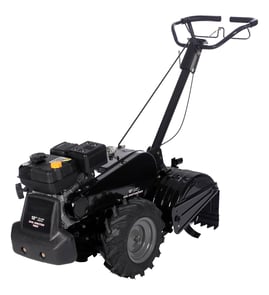



Where is the model number on a tiller?
On the Craftsman rear-tine tiller model 917299642, the model number is on the model plate attached to the top of the transmission. We recommend writing down both the model number and serial number so you can match the correct parts and service information later.
Where to look on model 917299642
Check these common spots in order:
- On the model plate attached to the top of the transmission (primary location)
- Around the transmission housing area where dirt and debris collect
- Near the tine guard area if the plate has been relocated or replaced
- On the engine blower housing (this is the engine model information, not the tiller model)
For diagrams and identification notes, use the 917299642 owner's manual.
Tiller model number vs. engine model number
This tiller has two different IDs, and they are used for different things.
| What you need | Where it’s found | What it’s used for |
|---|---|---|
| Tiller model number (917299642) | Model plate on top of the transmission | Ordering Craftsman tiller parts and looking up tiller specs |
| Engine model/type number | Plate/label on the engine blower housing near the spark plug | Ordering Briggs and Stratton engine parts and engine tune-up specs |
Tips if the label is hard to read
Dirt, oil, and sun fading can make the model plate tough to see.
- Brush off loose soil first, then wipe with a rag
- Use a flashlight at an angle to make stamped numbers stand out
- Take a close-up photo and zoom in to read the digits
- Record the serial number and purchase date with the model number
Why it matters
We use the model number to match the correct parts lists, diagrams, and specifications for your exact Craftsman tiller. Using the engine number when you need tiller parts (or vice versa) is a common reason parts do not fit.
Last updated: January 2026
What is the bar on the back of a tiller for?
On the Craftsman 917299642 rear-tine tiller, the bar at the back is the depth stake (drag bar); it controls how deep the tines dig and helps keep the tiller from lunging forward by adding drag and stability. See the 917299642 owner's manual for the depth stake positions and pin locations.
What the rear drag bar (depth stake) does
- Sets tilling depth from shallow cultivating to deeper digging
- Adds resistance so the tines do not pull the tiller ahead too aggressively
- Helps keep the machine level and the furrow consistent
- Lets you raise it for easier maneuvering and transport
How to adjust it (typical steps)
- Park on level ground and shut the engine off.
- Pull the depth stake pin.
- Slide the depth stake up or down to the hole that matches the depth you want.
- Reinsert the pin fully so the stake locks in place.
Common depth stake positions (what to expect)
| Depth stake position | Best for | What you will notice |
|---|---|---|
| High (more stake down) | Deep tilling | More drag, slower forward movement, deeper bite |
| Middle | General tilling | Balanced control and depth |
| Low/raised (less stake down) | Shallow cultivating | Less drag, faster movement, lighter soil disturbance |
| Transport position | Moving the tiller | Helps prevent tines from scuffing the ground |
Why it matters
A correctly set depth stake makes the tiller easier to control, improves soil finish, and reduces bouncing and “running away” in hard ground. It also helps protect the drivetrain by preventing excessive shock loads.
Last updated: January 2026
What are the common problems with lawn tillers?
Common problems on the Craftsman 917299642 rear-tine tiller include hard starting or stalling (often fuel-related), poor tine performance from belt or clutch issues, and difficult handling when soil conditions are too dry or too wet. Our Craftsman 917299642 owner's manual also covers troubleshooting, adjustments, and storage steps that prevent many of these issues.
Most common symptoms and what they usually point to
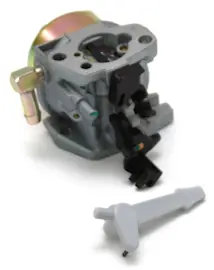
- Won’t start or starts then dies: stale fuel, clogged carburetor passages, dirty air cleaner, fouled spark plug
- Runs rough or won’t idle: choke not moving to RUN as the engine warms, idle speed or throttle linkage out of adjustment
- Tines won’t engage or stop under load: worn or loose ground drive belt, stretched clutch cable, linkage out of adjustment
- Poor tilling depth or excessive bouncing: soil too dry and hard, depth stake set too shallow, trying to till too deep in one pass
- Hard to control or clumps soil: soil is extremely wet and “balls up” during tilling
Quick checks we recommend before replacing parts
- Use fresh gasoline; if fuel is old, drain the tank and run the engine until the carburetor is empty before refilling.
- Inspect the spark plug and set the correct gap (replace if fouled or worn).
- Check the air cleaner and clean or replace it if dirty.
- Verify choke and throttle operation; move choke toward RUN as the engine warms.
- Confirm belt and clutch operation; a slipping belt or stretched cable can prevent tine engagement.
Parts that commonly solve drive and engagement problems
| Symptom | Likely wear item | Example part for this model |
|---|---|---|
| Tines don’t engage | Clutch cable stretched/binding | Tiller clutch cable 532110675 |
| Tines slip under load | Drive belt worn/glazed | V-belt 532132672 |
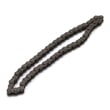
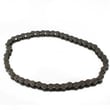
| Grinding/noise in drive | Chain wear or damage | Tiller chain, #25-50 532102134 |
Why it matters
Most tiller “failures” are maintenance and adjustment issues. Fresh fuel, correct choke use, and proper belt or cable tension help the engine run smoothly and keep the tines pulling consistently. Soil moisture also matters; hard-dry soil increases bounce, and overly wet soil clumps and reduces performance.
Last updated: January 2026
How often should I change the oil in my tiller?
For the Craftsman 917299642 rear-tine tiller, change the engine oil after the first 2 hours of operation, then every 25 operating hours after that (or at the beginning of each tilling season). We also check the oil level about every 5 hours and before each use; see the 917299642 owner's manual for the full maintenance schedule.
Oil-change schedule for model 917299642
- First oil change: after 2 hours of operation (break-in)
- Routine oil changes: every 25 hours of operation
- Seasonal service: change oil at the beginning of every tilling season
- Oil level checks: about every 5 hours and before each use
- Storage: drain oil while the engine is warm, then refill with fresh oil before long-term storage
Oil type and temperature guidance
The manual calls out different oil viscosities depending on temperature.
| Operating conditions | Oil viscosity to use | Notes |
|---|---|---|
| Normal tilling conditions | SAE 30 or SAE 10W-30 | Use for typical spring and summer operation |
| Winter operation under 32°F | 5W-30 | Switch before temperatures drop below 32°F, then switch back for spring tilling |
Quick oil-change steps
- Run the engine until warm, then shut it off and let it sit a few minutes.
- Place a drain pan under the oil drain plug.
- Remove the drain plug and drain completely.
- Reinstall the drain plug securely.
- Refill with fresh oil to the correct level at the fill point.
Why it matters
Fresh oil reduces heat and friction in a 4-cycle tiller engine. Following the 2-hour break-in change and the 25-hour interval prevents hard starting, power loss, and accelerated internal wear.
Last updated: January 2026