Owner’s manual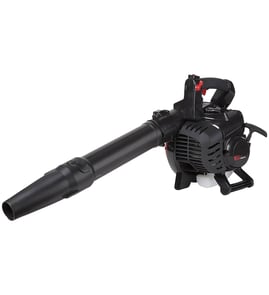





What is the life expectancy of a gas leaf blower?
A gas leaf blower like the Craftsman 358797931 typically lasts about 8 to 10 years with normal homeowner use and consistent maintenance. With excellent care (clean fuel system, correct mix, clean air filter), it commonly reaches 10+ years before major engine wear shows up.
What affects lifespan the most
- Fuel quality and storage: old fuel and ethanol-related varnish shorten carburetor life.
- Correct 2-cycle mix ratio: too lean can score the piston; too rich can foul the spark plug and muffler.
- Air filtration: a dirty or damaged air filter lets grit into the engine.
- Cooling and cleanliness: clogged cooling fins and debris buildup increase heat and wear.
- Vibration and loose hardware: fasteners backing out can damage housings and mounts.
Maintenance schedule that extends life
Use the 358797931 owner’s manual for the exact service intervals and settings for your blower.
- Empty or stabilize fuel before storage longer than 30 days.
- Inspect fuel lines for cracks and softness; replace as needed.
- Replace the in-tank fuel filter when fuel flow seems restricted.
- Keep the air filter clean and properly seated.
- Check and tighten accessible screws/bolts periodically.
| Maintenance item | Best interval (typical) | What it prevents |
|---|---|---|
| Fresh fuel mix | Every use | Hard starting, carburetor clogging |
| Air filter cleaning | Every 5 to 10 hours | Low power, engine wear |
| Fuel system inspection | Monthly in season | Leaks, lean running |
| Storage prep | End of season | Gummed carburetor, stuck rings |
When parts replacement makes sense
If the blower runs rough, leaks fuel, or loses power, replacing common wear items often restores performance and extends service life:
- Ayp lawn & garden equipment fuel line, large 530069216 (cracked or leaking fuel line)
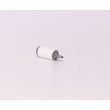
- Fuel filter 530095646 (restricted fuel flow)
Why it matters
Most “end of life” leaf blower problems are fuel-system related, not a worn-out engine. Staying ahead of fuel storage, fuel lines, and filtration keeps the Craftsman 358797931 starting easily and running at the right temperature.
Last updated: January 2026
Are gas leaf blowers being phased out?
Yes, gas leaf blowers are being phased out in many areas; the change is driven by local rules that limit small-engine emissions and noise. Your Craftsman gas blower model 358797931 can still be used where allowed, and we recommend checking your local ordinance and following the 358797931 owner’s manual for safe operation and maintenance.
What “phased out” usually means
Most phase-outs happen through local restrictions rather than a single nationwide ban. Common approaches include:
- Banning gas-powered leaf blowers within city limits
- Limiting use to certain hours or days due to noise
- Restricting commercial landscaping use first, then residential
- Allowing existing equipment but restricting new sales over time
- Enforcing rules through warnings and fines
Quick decision guide
| Situation | What to do | Best alternative |
|---|---|---|
| Your city bans gas blowers | Stop using the gas blower in that area | Battery-electric blower |
| Your city limits hours | Use only during permitted times | Battery-electric for early/late work |
| No restriction where you live | Keep using and maintain it | Consider electric for convenience |
| You travel between towns | Follow the strictest local rule | Battery-electric for portability |
How to keep a gas blower running cleaner and quieter
Good maintenance helps performance and reduces smoke, rough running, and fuel odors.
- Use fresh, properly mixed fuel (for 2-cycle engines) and do not store mixed fuel long-term
- Inspect fuel lines for cracks and leaks; replace if soft, brittle, or wet with fuel
- Replace a clogged fuel filter if the engine starves for fuel or surges
- Keep the air filter clean so the engine does not run rich and smoke
- Check fasteners and tubes so vibration does not worsen over time
Helpful parts for common fuel issues on this model include the ayp lawn & garden equipment fuel line, large 530069216 and the fuel filter 530095646.
Why it matters
Local restrictions can change what equipment you can legally use, and poor fuel-system condition can create leaks, hard starting, and rough running. Staying compliant and keeping the fuel system sealed protects your blower and helps it run reliably.
Last updated: January 2026
What is better, cfm or mph for a leaf blower?
For a Craftsman gas blower like model 358797931, CFM is better for moving a high volume of dry leaves across open areas, while MPH is better for breaking loose wet, stuck, or heavy debris. The best choice depends on whether you need more “push” (MPH) or more “carry” (CFM). See the 358797931 owner's manual for the operating tips and recommended use cases for your blower.
CFM vs. MPH: what each number really tells you
- CFM (cubic feet per minute): how much air the blower moves; best for clearing lots of loose material.
- MPH (miles per hour): how fast the air stream is; best for dislodging stubborn debris.
- High CFM + decent MPH: most versatile for mixed yard cleanup.
- High MPH with low CFM: can scatter debris without moving it far.
- High CFM with low MPH: moves piles well but struggles with wet leaves.
Quick guide: which should you prioritize?
| Your cleanup job | Prioritize | Why |
|---|---|---|
| Dry leaves on lawn or driveway | Higher CFM | Moves more material per pass |
| Wet leaves, matted grass, stuck debris | Higher MPH | Breaks debris loose |
| Gravel beds, mulch, delicate areas | Moderate MPH | Reduces blow-away and damage |
| General weekly yard cleanup | Balanced CFM and MPH | Handles changing conditions |
How to get better results (even without “more power”)
- Use short bursts to loosen debris, then sweep it away with a steady stream.
- Work with the wind when possible.
- Keep the nozzle/tube aimed low and slightly forward to roll debris.
- If performance drops, check for fuel delivery issues such as a cracked line; the ayp lawn & garden equipment fuel line, large 530069216 is a common wear item on gas equipment.
- For rough running that reduces airflow, follow troubleshooting steps in the 358797931 owner's manual.
Why it matters
Choosing the right spec saves time and reduces frustration: higher CFM speeds up large-area cleanup, while higher MPH helps when conditions are damp or debris is stuck. Matching the blower’s strengths to the job also reduces strain on the engine and helps maintain consistent performance.
Last updated: January 2026
What brand of gas leaf blower is best?
The “best” gas leaf blower brand depends on how you use it: for homeowners, Craftsman is a solid value and easy to support with parts; for maximum power and pro-duty durability, brands like STIHL, ECHO, and Husqvarna are common top picks. Use your performance needs (CFM/MPH), comfort, and service access to decide.
How to choose the best brand for your needs
- Power needs: Look for higher airflow (CFM) for heavy, wet leaves; higher airspeed (MPH) helps move stuck debris.
- Type: Handheld blowers are lighter; backpack blowers reduce arm fatigue for long jobs.
- Starting and drivability: Easy starting and stable idle matter more than peak power for most yards.
- Service and parts availability: A nearby dealer or strong parts support reduces downtime.
- Noise and comfort: Anti-vibration, harness quality (backpack), and weight balance make a big difference.
Quick brand fit guide (typical strengths)
| Brand | Best for | Typical tradeoff |
|---|---|---|
| Craftsman | Value, DIY maintenance, parts support | Not always the highest power in class |
| STIHL | Pro-grade power and durability | Higher upfront cost |
| ECHO | Strong reliability and value in pro-leaning tools | Fewer ultra-high-output models than STIHL |
| Husqvarna | Good power options, especially backpacks | Fit and ergonomics vary by model |
If you already own Craftsman model 358797931
For your Craftsman 358797931 gas blower, the “best” brand question often becomes: keep it running well with the right maintenance and parts. Start with the fuel system and air path, then tune performance to match your yard.
- Check for cracked or soft fuel lines; replace with ayp lawn & garden equipment fuel line, large 530069216 if yours matches.
- Replace a restricted in-tank filter with fuel filter 530095646 when starting or power is inconsistent.
- Inspect tubes and connections for air leaks or loose fit; replace damaged pieces.
- Use fresh, properly mixed fuel (2-cycle mix) and avoid old gas in storage.
Why it matters
Choosing the right brand and model reduces fatigue, improves cleanup time, and lowers long-term ownership cost. For many homeowners, the “best” blower is the one that starts easily, has enough CFM/MPH for the yard, and has dependable parts support.
For operating specs and maintenance intervals specific to your unit, use the 358797931 manual.
Last updated: January 2026