Installation guide
 Owner’s manual


How to identify a Kenmore washer model?
Your Kenmore washer model number is printed on the appliance ID tag; for Kenmore washers it often starts with 110. On Kenmore model 11029722800, you will use that full number to match the correct washer parts list, diagrams, and repair instructions in the 11029722800 owner's manual.
Where to look for the model number tag
Check these common locations first (the exact spot varies by washer style):
- Top-load washer: under the lid, around the lid opening, or on the underside of the lid
- Front-load washer: inside the door opening, along the door frame, or behind the door
- Any washer: on the back panel near the power cord, or near the control console
- Sometimes: behind the lower front access panel (if equipped)
What the model number looks like (and why it matters)
Kenmore model numbers are usually a mix of digits and sometimes letters. Many Kenmore washers use a prefix like 110, which helps identify the manufacturing source and ensures you get compatible parts such as a lid switch, drain pump, or motor coupling.
Quick ID checklist
| What to capture | Example | Why we need it |
|---|---|---|
| Model number | 11029722800 | Matches the correct parts and diagrams |
| Serial number | (varies) | Helps confirm production run details |
| Type | Top-load or front-load | Changes access steps and parts layout |
Tips to avoid ordering the wrong part
- Write the model number exactly as shown, including all digits
- Take a clear photo of the tag before it wears or fades
- Use the model number when choosing common repair parts like the washer lid switch assembly WP8318084
- If the tag is hard to read, clean it gently with a damp cloth and mild soap, then dry it
Why it matters
Kenmore washers share similar styling across many series, but internal components can differ. Using the exact model number (like 11029722800) is the fastest way to ensure the right fit for parts, troubleshooting steps, and installation details.
Last updated: February 2026
Is it worth repairing a Kenmore washing machine?
Yes, repairing a Kenmore washer is usually worth it when the fix is a common wear part and the total repair cost is clearly less than replacing the machine. For Kenmore model 11029722800, we see many long-lasting repairs tied to drive and drain components; confirm procedures in the 11029722800 owner's manual.
Quick way to decide (repair vs. replace)
Use these practical checkpoints before you spend money:
- Age and condition: If the cabinet, tub, and wiring are in good shape, repairs pay off.
- Symptom type: No-agitate, no-spin, and no-drain problems are often economical.
- Part cost vs. value: If one major assembly approaches the cost of a replacement washer, replacement makes more sense.
- Downtime: If you need a fast fix, prioritize common in-stock parts.
- Safety basics: Use a grounded 3-prong outlet and avoid adapters or extension cords (per the installation guidance).
Common repairs that are typically “worth it” on this model
These are frequent, straightforward fixes on many Kenmore 110 top-load designs:
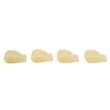
- Agitation issues: worn agitator dog 80040
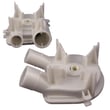
- Won’t drain or drains slowly: failing drain pump
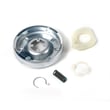
- Won’t spin: lid switch problems, drive coupling wear, clutch wear
- Loud banging or out-of-balance: suspension spring wear
Typical cost-to-impact comparison
| Problem you see | Likely area | Typical repair value |
|---|---|---|
| Fills but won’t agitate | Agitator/drive coupling | High (often low parts cost) |
| Won’t drain | Drain pump/hoses | High (prevents water damage) |
| Won’t spin with lid closed | Lid switch | High (common, direct fix) |
| Persistent burning smell/no motor movement | Drive motor/gearcase | Medium to low (bigger-ticket parts) |
Why it matters
A targeted repair can restore cleaning performance and extend the life of your Kenmore 11029722800 for years, while avoiding the cost and hassle of replacing a washer. The best outcomes come from matching the symptom to the correct part and following the model-specific steps in the 11029722800 owner's manual.
Last updated: February 2026
What is the average lifespan of a Kenmore washer?
A Kenmore washer typically lasts 10 to 15 years with normal household use. For the Kenmore 11029722800 washer, consistent care (proper installation, avoiding overloads, and addressing small leaks or noises early) helps you reach the upper end of that range; see the 11029722800 owner's manual for model-specific care guidance.
What affects washer lifespan the most
- Load size and balance: frequent overloading or unbalanced loads increase wear on the drive system and suspension.
- Water quality and temperature: hard water and very hot washes can accelerate buildup and seal wear.
- Drain performance: slow draining strains the pump and can leave standing water.
- Installation and environment: a level floor reduces vibration; avoid freezing conditions.
- Small part wear: inexpensive wear items can cause bigger issues if ignored.
Quick maintenance checklist (high impact)
- Keep loads evenly distributed; wash bulky items with similar items.
- Use the right detergent amount; excess suds can cause residue and odors.
- Periodically run a cleaning cycle (hot water with washer cleaner or manufacturer-recommended method).
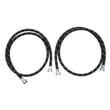
- Inspect inlet hoses for bulges or seepage; replace at the first sign of wear.
- If the washer will be in a cold area, follow winterizing guidance in the manual.
Common wear items and what they usually cause
| Symptom | Commonly involved part | What you notice |
|---|---|---|
| Agitator moves poorly | Agitator dog 80040 | Clothes not circulating well |
| Won’t spin or agitates oddly | Coupling 285753A | Motor runs but tub action is weak |
| Won’t drain | Washer drain pump WP3363394 | Water left in tub at end of cycle |
| Won’t start or stops when lid opens | Washer lid switch assembly WP8318084 | No spin/agitate with lid “open” |
Why it matters
A washer near the end of its lifespan often shows early warning signs (new vibration, slow drain, intermittent spin). Catching those symptoms early can prevent secondary damage to the basket, drive components, and electrical parts.
Last updated: February 2026