 Error Codes



Can I replace dishwasher parts myself?
Yes, many parts on your GE GSM507P-35WA dishwasher are DIY-friendly, but the right choice depends on the repair. We recommend doing simple, low-risk replacements yourself (rollers, hoses, dispenser pieces) and using a technician for electrical or leak-prone repairs.
DIY-friendly repairs usually involve basic hand tools and minimal disassembly.
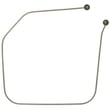
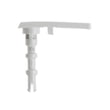
- Replacing rack hardware such as a rack roller WD12X271
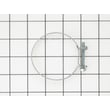
- Swapping a leaking or cracked drain hose WD24X10014
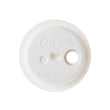
- Replacing detergent dispenser pieces like a detergent cup cover WD16X297
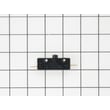
- Checking a door latch switch such as an interlock switch WD21X10261 (after power is off)
- Cleaning and maintenance steps from how to clean and maintain your dishwasher
Technician-level repairs often involve wiring, tight seals, or major tear-down.
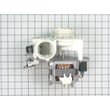
- Pump and motor work such as the asm mech WD26X10013
- Drain system actuator repairs such as the solenoid WD21X802
- Diagnosing control or wiring faults using GE dishwasher error codes
Use this to decide whether to DIY or schedule service.
| Repair type | Typical difficulty | Common risk | Best choice |
|---|---|---|---|
| Rack parts, baskets, covers | Low | None to minor | DIY |
| Hoses, clamps, door seals | Medium | Leaks | DIY if comfortable |
| Switches, solenoids | Medium | Electrical shock | DIY only with power off |
| Pump and motor assembly | High | Leaks, miswiring | Technician |
- Shut off power at the breaker; do not rely on the door switch.
- Turn off the water supply under the sink.
- Protect the floor; keep towels ready for residual water.
- Take photos of wire and hose routing before disconnecting anything.
- Run a short test cycle and check for leaks after reassembly.
Choosing the right repair level prevents repeat failures and water damage. On a dishwasher like the GE GSM507P-35WA, a small sealing mistake on a hose or pump can cause leaks, while a wiring mistake can stop the unit from running.
Last updated: February 2026
How to fix GE dishwasher arm?
On the GE GSM507P-35WA dishwasher, a “wash arm fix” usually means clearing a clog, reseating the arm so it spins freely, or replacing a worn arm support or drive piece. We start by checking for binding and debris; if the arm still will not rotate, we move to the pump and linkage components.
- Turn off power at the breaker before reaching into the tub.
- Remove the racks and spin the spray arm by hand; it should rotate smoothly without hitting dishes.
- Clear blocked spray holes using a toothpick and rinse the arm under hot water.
- Check the arm mount area for broken plastic, wobble, or a loose fastener.
- Confirm the filter area and sump are free of labels, glass, and food debris.
A wash arm that does not move is often caused by low water circulation, not the arm itself.
- Weak spray or humming: circulation issue at the motor/pump
- Arm falls off or wobbles: worn mount, linkage, or retaining hardware
- Poor cleaning on one rack: obstruction in the arm feed tube or misloaded dishes
| Symptom | Most likely area | Example part on this model |
|---|---|---|
| Arm does not spin, weak wash | Circulation pump/motor | Asm mech WD26X10013 |
| Intermittent operation | Door safety circuit | Interlock switch WD21X10261 |
| Poor drying and spotting (not arm-related) | Rinse aid system | R a inj WD35X10346 |
If the wash arm cannot rotate or the spray holes are blocked, water pressure will not reach all dishes. That leads to stuck-on soil, detergent residue, and longer run times because the dishwasher keeps trying to wash with poor circulation.
For GE troubleshooting steps and code meanings that can point to circulation or control issues, use GE dishwasher error codes. For cleaning performance tips that often restore spray-arm performance, use dishwasher not cleaning dishes video.
Last updated: February 2026
How to order GE appliance parts?
To order parts for your GE GSM507P-35WA dishwasher, use the complete model number and the part ID to match the correct replacement. Order directly from the parts list for GSM507P-35WA; if you need help identifying the right part, contact Sears PartsDirect support.
Having the right details up front prevents wrong-part returns and delays.
- Complete model number: GSM507P-35WA
- Serial number (from the dishwasher’s rating label)
- The part you need (name and ID when possible)
- A quick symptom description (leaking, not draining, not starting)
- Photos of the old part and where it installs (helpful for confirmation)
Use the option that matches your situation.
| Situation | Best ordering path | Why |
|---|---|---|
| Routine replacement part is available | Order the exact part by ID | Fastest, most accurate match |
| Dishwasher won’t drain | Start with drain components | Common failure area |
| Not sure which part fits | Use the model-based parts list and diagrams | Helps confirm fit and placement |
If you are troubleshooting, these are frequent replacement items for GE dishwashers like the GSM507P-35WA.
- Drain hose WD24X10014 (clogs, kinks, leaks)
- Interlock switch WD21X10261 (won’t start when door isn’t sensed closed)
- Door gasket WD8X229 (leaks at the door)
- Rack roller WD12X271 (rack won’t roll smoothly)
GE often uses multiple revisions of similar-looking dishwasher parts. Ordering by the exact model number (GSM507P-35WA) and the correct part ID helps ensure proper fit, correct electrical ratings, and reliable sealing.
Last updated: March 2026
Is it worth repairing a GE dishwasher?
Repairing a GE dishwasher like model GSM507P-35WA is worth it when the problem is a single, fixable failure (drain, heat, door latch, or wash motor) and the tub and racks are still in good shape. Replacement makes more sense when leaks, repeated breakdowns, or poor cleaning persist after basic maintenance.
Use these checks first; they point you toward the most cost-effective path.
- Repair when the issue is isolated: won’t drain, won’t start, not drying, or weak wash action.
- Repair when the dishwasher is otherwise quiet, doesn’t leak, and the door seals well.
- Replace when the tub is rusted/cracked, the unit has multiple symptoms, or it has recurring leaks.
- Replace when racks are badly corroded and performance is still poor after cleaning and correct loading.
- Repair when a common wear part is the likely cause, such as a door switch or drain hose.
These are typical “single-part” fixes that can restore normal operation.
| Symptom | What to check first | Part that often solves it (if failed) |
|---|---|---|
| Won’t start or stops when door moves | Door latch engagement, door switch continuity | Interlock switch WD21X10261 |
| Not draining / water left in bottom | Kinked hose, clogged disposer inlet, drain path | Drain hose WD24X10014 |
| Poor wash, weak spray, loud hum | Filter area, spray arm blockage, circulation | Asm mech WD26X10013 |
| Dishes not drying well | Rinse aid level, heated dry option, heater circuit | 475w heater WD05X26780 |
A targeted repair can restore cleaning and drying performance while avoiding the cost and disruption of replacing a built-in dishwasher (cabinet fit, anchoring, and plumbing connections). On the other hand, chasing multiple failures usually costs more over time than upgrading.
- Clean the sump area and remove debris that can strain the pump.
- Confirm the drain hose has a proper high loop and is not crushed.
- Use rinse aid and avoid overloading; blocked spray patterns mimic part failures.
- If you see error indicators, use GE dishwasher error codes to narrow the failure before buying parts.
Last updated: February 2026
What are the commonly replaced parts in a dishwasher?
In a GE dishwasher like model GSM507P-35WA, the most commonly replaced parts are the ones that handle sealing, draining, heating, and door safety. When you see leaks, poor cleaning, no-drain symptoms, or a unit that will not start, these parts are the first places we check.
- Door seal/gasket: stops leaks around the door (see door gasket WD8X229)
- Drain hose: fixes clogs, kinks, or leaks under the sink (see drain hose WD24X10014)
- Pump and motor assembly: restores wash pressure and circulation (see asm mech WD26X10013)
- Heater: improves drying and helps maintain wash temperature (see 475w heater WD05X26780)
- Door switch/interlock: helps the dishwasher start and run safely (see interlock switch WD21X10261)
- Detergent dispenser pieces: helps detergent release correctly (see detergent cup cover WD16X297)
| Symptom | Most likely parts to inspect first | What you typically notice |
|---|---|---|
| Water on the floor at the front | Door gasket, tub corner baffle | Drips during wash or at the end |
| Dishwasher will not start | Door switch/interlock | Lights on, but no cycle starts |
| Not draining | Drain hose, drain solenoid | Standing water in the bottom |
| Not drying | Heater, rinse-aid dispenser | Dishes wet, especially plastics |
| Not cleaning well | Pump and motor assembly | Weak spray, gritty residue |
Replacing the correct part early prevents repeat leaks, protects cabinets and flooring, and restores normal wash performance. On older GE dishwashers, door sealing and drain-related issues are especially common because those components see constant heat, detergent, and vibration.
- If your GE dishwasher is showing a code, use GE dishwasher error codes to match the code to the most likely failed component.
- For electronic display models, use GE electronic dishwasher error codes for more detailed code definitions.
Last updated: February 2026
What is the average lifespan of a GE dishwasher?
A GE dishwasher typically lasts about 10 years. For your GE GSM507P-35WA, regular cleaning, correct detergent use, and fixing small issues early (like leaks or poor draining) are the biggest factors in reaching that average.
Most GE dishwashers land in a similar range, but real-world life depends on usage and upkeep.
- Loads per week: more cycles usually means faster wear on the pump, motor, and seals
- Water quality: hard water can leave mineral buildup that reduces cleaning and stresses components
- Maintenance habits: cleaning filters and spray paths helps prevent strain on the wash system
- Heat and drying use: frequent heated drying can increase wear on heaters and wiring
- Small leaks: even minor seepage can damage nearby parts over time
- Run a dishwasher cleaner periodically to reduce grease and mineral buildup
- Keep the bottom of the tub clear of labels, glass, and food debris
- Use rinse aid if you see spotting or poor drying
- Check the door seal area for residue and wipe it clean
- Address slow draining quickly (clogs and hose issues can overwork the drain system)
If performance drops, these are frequent culprits on many GE dishwashers.
| Symptom | Often involved part | Example part for GSM507P-35WA |
|---|---|---|
| Not draining or drains slowly | Drain hose or drain components | Drain hose WD24X10014 |
| Leaking at the door | Door seal | Door gasket WD8X229 |
| Poor wash, loud grinding, weak spray | Pump and motor assembly | Asm mech WD26X10013 |
A dishwasher that is kept clean and draining freely runs with less load on the pump, motor, and seals. That reduces overheating, noise, and leaks, which are the most common reasons dishwashers get replaced before they reach their normal service life.
Last updated: February 2026
What is the most common problem with a GE dishwasher?
The most common problem we see with a GE dishwasher like model GSM507P-35WA is that it will not start or it stops shortly after starting. In most cases, the root cause is a door not fully latching, a door switch issue, or a power interruption.
- Confirm the dishwasher door closes firmly and the latch engages.
- Reset power: turn the breaker off for 1 minute, then back on.
- Make sure the cycle is actually started (some models require pressing Start and closing the door to begin).
- Check for standing water in the tub; a drain problem can prevent normal operation.
- Listen for a click at the door area when closing; no click often points to a switch or latch problem.
| Symptom | Most likely cause | What you can do next |
|---|---|---|
| No response when you press Start | Power issue or control not receiving power | Reset breaker; verify outlet (if applicable) |
| Starts then stops when door moves | Door switch not consistently closing | Inspect and test the door switch circuit |
| Runs but will not drain | Drain restriction or drain actuator issue | Check hose routing and clogs; inspect drain components |
| Hums, poor wash action, or intermittent running | Pump/motor problem | Check for obstructions; consider pump and motor service |
If the door is closing but the dishwasher still will not run, these model-compatible parts are common suspects:
- Interlock switch WD21X10261 (door switch that confirms the door is closed)
- Asm mech WD26X10013 (pump and motor assembly that drives wash circulation)
- GE dishwasher error codes (use error codes to narrow the failure to a circuit or component)
A dishwasher that will not start is often a simple door-switch or power-reset issue, but ignoring it can lead to repeated cycle failures, poor cleaning, and extra strain on the motor and drain system.
Last updated: February 2026





