Owner’s manual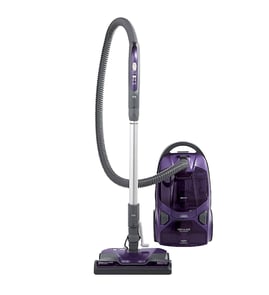

Where to find model number on Kenmore canister vacuum?
On the Kenmore canister vacuum model 11628614801, the model number is printed on the model and serial number plate on the vacuum body (the canister). We use that plate information to match the correct parts list and troubleshooting steps in the 11628614801 owner's manual.
Where to look on the vacuum
Check these common label locations on a Kenmore canister vacuum:
- Bottom of the canister (flip the canister over and look for a sticker or metal plate)
- Back or side of the canister near the cord rewind area
- Under a cover such as the tool cover or bag compartment door (look for a label on the housing)
- Near the rear wheels or along the lower edge of the canister body
What to write down (and why)
The manual notes you will need the complete model and serial numbers when requesting information or service. Record both so you can identify the exact version of your vacuum.
| What to record | Example format | Why it matters |
|---|---|---|
| Model number | 116.28614 or 116.28615 style | Ensures the correct diagrams and parts match |
| Serial number | Letters and numbers | Helps identify production run details |
Quick tips to avoid mix-ups
- Copy the number exactly as shown, including dots (for example, 116.28614).
- If you see two similar model numbers in the manual family, match the one on your plate to the correct parts breakdown.
- If the label is worn, use a flashlight and take a close-up photo to zoom in.
Why it matters
Kenmore canister vacuums often share similar housings and attachments (hose assembly, telescoping wand, PowerMate), so the model and serial number plate is the fastest way to ensure you get the right replacement parts and the right troubleshooting steps.
Last updated: January 2026
How long do canister vacuums last?
Most canister vacuums last 7 to 10 years with normal home use and basic maintenance. A Kenmore canister vacuum like model 11628614801 can reach the high end of that range when airflow stays clear, filters stay clean, and the PowerMate brush system is kept free of jams (see the 11628614801 owner's manual).
Typical lifespan and what changes it
- 7 to 10 years: typical for most household canister vacuums
- 10 to 15 years: common when maintenance is consistent (bags, filters, clogs)
- 15 to 20 years: achievable on higher-end builds when wear items are replaced on schedule
Maintenance that extends life (most important)
The manual explains that suction depends on open airflow passages and that clogs and clogged filters can overheat the motor and trigger the thermal protector.
- Replace the dust bag before it is packed full
- Check for clogs in the hose, wand, and airflow path when suction drops
- Replace or clean motor safety and exhaust filters on schedule
- Keep the PowerMate agitator/brush roll clear of hair and string
- If the PowerMate brush stops, clear the jam and use the BELT RESET button as directed
Quick “life-extender” troubleshooting table
| Symptom | Most common cause | What to do first |
|---|---|---|
| Weak suction | Full bag, clogged hose, clogged filter | Change bag; clear clogs; replace filters |
| Shuts off during use | Overheating from restricted airflow | Unplug, clear clogs, wait about 30 minutes |
| Brush roll stops but canister still runs | Agitator jam or belt protection tripped | Remove obstruction; press belt reset |
Why it matters
A canister vacuum’s motor relies on steady airflow for cooling. Keeping bags, filters, and passages clear prevents overheating, reduces strain on the suction motor, and helps the Kenmore PowerMate system clean effectively for years.
For step-by-step repair help beyond routine care, use the vacuum repair-guides landing page.
Last updated: January 2026
Who makes Kenmore canister vacuums now?
Today, Kenmore canister vacuums are made for the Kenmore brand under a licensing arrangement by Cleva North America, Inc. For your Kenmore canister vacuum model 11628614801, the manufacturer name is less important than matching the correct bags, filters, hose, and PowerMate parts listed in the 11628614801 owner's manual.
What “made by” means for Kenmore vacuums
Kenmore is a brand name used across multiple product lines, and different companies have manufactured Kenmore floor care products over time. What stays consistent is the model number and the parts breakdown for that model.
Key takeaways we use when helping you identify the right parts:
- Use the full model number 11628614801 from the model and serial plate.
- Match parts by fit and function (bag, motor safety filter, exhaust filter, belt, agitator).
- Follow the maintenance intervals in the manual to protect suction and motor life.
- Use the correct attachments (wand, hose, PowerMate) for the surface you are cleaning.
- Confirm the exact configuration using the packing list and parts/features pages.
How to confirm you have the right model before ordering parts
The manual for this Kenmore canister vacuum explains where to record the model and serial number and shows the packing list (canister, hose assembly, telescoping wand, PowerMate, tools).
Use this quick check:
| What to check | What it should show | Why it matters |
|---|---|---|
| Model number | 11628614801 | Ensures correct parts match |
| Included tools | Crevice tool, combination brush, floor brush (varies by kit) | Confirms original configuration |
| Power nozzle | PowerMate present | Determines belt and brush roll style |
Why it matters
Kenmore canister vacuums often share similar styling across years, but parts like filters, belts, and brush rolls can differ by model. Using 11628614801 as your reference prevents ordering the wrong maintenance parts and helps restore suction and brush performance.
Related DIY help: vacuum repair-guides landing page
Last updated: January 2026
What is the best canister vacuum to buy?
For most homes, the “best” canister vacuum is the one that matches your floors, filtration needs, and maintenance preference (bagged vs. bagless). If you like the feel of a traditional, full-size canister like Kenmore model 11628614801, use the 11628614801 owner's manual to compare features such as attachments, pile-height settings, and filter care to what you want in your next vacuum.
What to look for when choosing a canister vacuum
- Floor type compatibility: carpet pile height settings and a powered nozzle (PowerMate-style) for carpet, plus a floor brush for hard floors.
- Filtration: sealed filtration and HEPA exhaust filtration if allergies or pet dander are concerns.
- Bagged vs. bagless: bagged models typically keep dust contained and maintain airflow well when maintained.
- Airflow and clog resistance: designs that make it easy to check the airflow path and clear clogs.
- Attachments you will actually use: crevice tool, combination brush, pet tool, telescoping wand.
- Cord length and reach: longer cord and hose reduce outlet changes.
Bagged vs. bagless: quick comparison
| Feature | Bagged canister | Bagless canister |
|---|---|---|
| Dust exposure during emptying | Lower | Higher |
| Ongoing cost | Bags and filters | Filters (and occasional bin seals) |
| Suction consistency | Strong when bag is changed on time | Can drop as bin and filters load up |
| Best for allergies | Often better | Often less ideal |
How we recommend narrowing it down
- Start with your flooring mix: mostly carpet usually benefits from a powered nozzle; mostly hard floors can prioritize a floor brush and maneuverability.
- Decide on filtration level: if you want cleaner exhaust air, prioritize HEPA and good sealing.
- Plan for maintenance: on Kenmore canisters like 11628614801, performance depends on keeping airflow open and changing the dust bag when indicated (a blocked airflow path can mimic “weak suction”).
Why it matters
A canister vacuum that matches your floors and maintenance style cleans faster, clogs less, and keeps suction more consistent. That means fewer interruptions for bag changes, filter cleaning, or clearing the hose and wand.
For more buying and troubleshooting context, use our vacuum common questions article.
Last updated: January 2026