Owner’s manual



How does the LG washer dryer combo dry?
The LG WM3488HS washer dryer combo dries by using a built-in heater and airflow to evaporate moisture, then pumping the condensed water out through the drain system. You can choose Dry-only and adjust dryness levels in the cycle settings; see the WM3488HS owner's manual for the exact options.
How the drying process works
In a combo unit, drying is a controlled heat-and-airflow process followed by draining.
- The heater warms air to pull moisture from fabrics.
- Moist air is condensed into water inside the unit.
- The washer drains that water out through the drain hose.
- The drum tumbles to keep items moving for more even drying.
- Dryness level and time vary by load size, fabric type, and spin performance.
Dry cycle settings and what they mean
Your control panel typically lets you run a full wash-and-dry program or a Dry-only cycle.
| Setting type | What it changes | What you will notice |
|---|---|---|
| Dry-only | Skips washing and goes straight to drying | Useful for damp loads |
| Dryness level (example: normal, damp) | Target end moisture | “Damp” leaves items easier to iron |
| Energy saver | Uses lower heat or longer time | Longer dry time, lower energy use |
If drying is slow or not drying well
Dry performance depends heavily on draining and airflow inside the unit.
- Run a higher spin speed when possible; less water in the load means faster drying.
- Avoid overloading; combo units dry best with smaller loads than wash loads.
- Clean the drain pump filter regularly; a restricted drain can hurt drying.
- Check the drain hose for kinks or clogs.
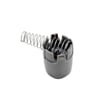
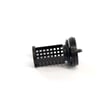
- If the unit drains slowly, inspect or replace the washer drain pump filter 383EER2001A if it is damaged or missing.
Why it matters
When the washer cannot drain condensed water efficiently, the drying system has to work harder and cycles run longer. Keeping the door seal area dry and leaving the door slightly open between loads also helps reduce moisture and odors.
Last updated: February 2026
What is LG Tromm?
LG TROMM is LG’s branding for a line of advanced washers, including front-load models like LG WM3488HS, that focus on high-efficiency cleaning and convenience features. On many TROMM models, you may also see built-in diagnostics support such as Smart Diagnosis for troubleshooting.
What “TROMM” means in practical terms
On LG washers, TROMM generally signals a feature-focused platform. Depending on the exact model and cycle set, that can include options like steam, specialized cycles, and electronic diagnostics.
Common TROMM-related benefits you’ll notice:
- High-efficiency wash action designed for lower water use
- Multiple cycle and temperature combinations for fabric care
- Electronic controls and sensors that adjust wash performance
- Diagnostic features that help speed up troubleshooting
- Front-load design that typically spins faster for better water extraction
Smart Diagnosis on WM3488HS (how it fits in)
Your LG WM3488HS includes Smart Diagnosis instructions in the WM3488HS owner’s manual. This feature is designed to help with troubleshooting by transmitting diagnostic tones.
Typical steps (summary):
- Follow the Smart Diagnosis steps in the manual for your symptom
- Hold your phone over the Smart Diagnosis logo area
- Press and hold the Temp button for about 3 seconds
- Keep the phone in place until the tone transmission finishes (about 6 seconds)
When “TROMM” matters for parts and repairs
TROMM is a product-line label, not a single part or a universal specification. For repairs, we match parts by the exact model number (WM3488HS) and the symptom.
| Symptom | Common system to check | Example part for this model |
|---|---|---|
| Won’t drain, water left in tub | Drain pump and filter | Washer drain pump filter 383EER2001A |
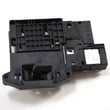
| Door won’t lock or won’t start | Door lock and strike | LG washer door lock EBF61315802 |
| Slow fill or no fill | Water inlet valve | LG washer single-solenoid water inlet valve 5220FR2006H |
Why it matters
Using the TROMM name alone can lead to the wrong part. Matching by LG WM3488HS and using the procedures in the manual helps you troubleshoot faster and order the correct LG replacement parts the first time.
Last updated: March 2026
What is the average lifespan of an LG washing machine?
Most LG washing machines, including the LG WM3488HS, typically last 10 to 15 years with normal household use and basic maintenance. Keeping the washer clean, avoiding chronic overloading, and fixing small leaks or draining issues early are the biggest factors in reaching the high end of that range (see the WM3488HS owner's manual).
What affects lifespan the most
- Load size and balance: frequent overloading and out-of-balance spinning accelerates wear on the tub, bearings, and suspension.
- Water quality and detergent use: excess suds and mineral buildup can stress the drain system and seals.
- Drain health: coins, lint, and debris that restrict draining can overwork the pump.
- Door seal care: leaving moisture trapped in the door boot promotes odor and residue that can shorten seal life.
- Leveling and vibration: an unlevel washer increases stress on bearings and the drive system.
Maintenance that helps you reach 10 to 15 years
- Clean the drain pump filter regularly; replace it if it is cracked or won’t seal (use washer drain pump filter 383EER2001A).
- Inspect fill hoses for cracks or bulges and replace on a routine schedule.
- Run periodic tub-clean cycles and wipe the door boot dry after use.
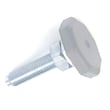
- Keep the washer level; replace a damaged foot if it won’t hold adjustment (use washer leveling leg AFC72755401).
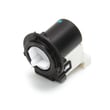
- Address slow-drain symptoms early; a failing pump can shorten component life (use washer drain pump assembly 4681EA2001T).
Quick guide: common “end-of-life” symptoms vs likely repair area
| Symptom | Most common area to check | Typical outcome |
|---|---|---|
| Won’t drain, humming, or intermittent draining | Drain pump, filter, drain hose | Often repairable |
| Loud roaring during spin | Tub bearing | Repairable but more labor |
| Door won’t lock or cycle won’t start | Door lock/strike | Often repairable |
| Heavy vibration even when level | Suspension, load habits, bearing wear | Sometimes repairable |
Why it matters
A washer that is maintained for drainage, leveling, and seal cleanliness usually avoids the most common early failures. That keeps the motor, bearings, and control system from working harder than designed, which is what typically shortens washer lifespan.
Last updated: February 2026
What is the load capacity of the LG WM3488HS?
The LG WM3488HS washer has a rated wash capacity of 2.3 cu. ft. (IEC 2.6 cu. ft.) and a dry linen capacity of 9 kg. For the most accurate capacity and loading guidance for your exact unit, use the WM3488HS owner's manual.
Capacity details for WM3488HS
Here is what the specifications mean in practical terms:
- 2.3 cu. ft. is the washer’s rated capacity
- IEC 2.6 cu. ft. is an alternate standardized measurement
- 9 kg dry linen is a weight-based capacity reference
- Overloading can prevent the tub from rotating properly and can trigger performance issues
| Spec type | WM3488HS value | What you use it for |
|---|---|---|
| Rated capacity | 2.3 cu. ft. | Comparing washer size and typical load volume |
| IEC capacity | 2.6 cu. ft. | Standardized comparison across models |
| Dry linen capacity | 9 kg | Estimating load weight (cottons, towels, mixed loads) |
How we recommend loading for best results
Even with the correct capacity, load style affects cleaning, rinsing, and spin performance.
- Load loosely; do not pack items down
- Mix item sizes (small and large) to balance the drum
- Keep bulky items (comforters, jackets) to a single item or a matched set
- If the tub struggles to turn, reduce the load and restart the cycle
Why it matters
Staying within the WM3488HS capacity helps the motor and tub rotate correctly, improves wash action, and reduces out-of-balance spinning. It also helps prevent drain and rinse issues that can look like a mechanical problem when the real cause is an overloaded drum.
Last updated: February 2026
What is the most common problem with LG washers?
Drain and odor complaints are the most common issues we see with LG washers like model WM3488HS: slow or no draining from a clogged drain path (filter, hose, or pump), plus musty smells from moisture and residue around the gasket and drain system. See the WM3488HS owner's manual for the exact troubleshooting checks.
Most common issues (and what usually causes them)
- Drains slowly or not at all: drain hose kinked/pinched, hose installed too high, frozen hose, or debris in the pump filter
- Musty or mildew odors: residue and moisture in the door gasket area, plus buildup on the drain pump filter
- Won’t spin or tub won’t rotate: door not fully latched, overloaded drum, or motor protection from overheating
- Water leaks at connections: water lines twisted, pinched, or not tightened correctly
- Fill problems or water won’t stop: inlet valve or water level sensing issues (often needs service)
Quick checks you can do first
- Unplug the washer for safety.
- Confirm the drain hose is not kinked and is routed correctly (not pushed too far up the standpipe).
- Clean the pump filter area; if the filter is damaged or missing, replace the washer drain pump filter 383EER2001A.
- Run the Tub Clean cycle as directed in the manual to reduce odor-causing buildup.
- If the tub will not rotate, reduce the load size and restart; confirm the door closes and locks firmly.
Symptoms and the most likely fix
| Symptom | Most likely cause | What to do |
|---|---|---|
| Slow/no drain | Clogged filter or drain path | Clean filter; check hose routing; inspect pump |
| Musty smell | Buildup in gasket/filter/drain | Run Tub Clean; clean gasket; clean filter |
| No tumble/spin | Door not secured or overload | Reseat load; close door; restart |
| Leak at hookups | Twisted/pinched fill hoses | Re-route and tighten connections |
Why it matters
Drain restrictions and moisture buildup can trigger longer cycle times, poor rinsing, odors, and repeat clogs. Keeping the drain path clear and running periodic Tub Clean cycles helps the WM3488HS wash and drain normally.
Last updated: February 2026
Why are LG parts so expensive?
LG parts for the WM3488HS washer often cost more because they are engineered to meet strict performance and safety requirements, and many repairs involve specialized assemblies (not just small pieces). Using authorized components also helps protect reliability and long-term operation (as outlined in the WM3488HS owner's manual).
What typically drives the price up
- Complete assemblies vs. small components: Many “parts” are sold as full assemblies (pump assembly, control board, door lock), which raises cost.
- Tighter tolerances and testing: Front-load washer systems (motor drive, door lock, water valves) are built to precise specs for leak control, balance, and spin performance.
- Electronics and sensors: Modern LG washers rely on control boards and user interfaces that are more expensive than purely mechanical parts.
- Safety and compliance: Components tied to water, heat, and electrical loads are designed and validated to reduce risk during normal use and servicing.
- Warranty structure: Some major components can have longer parts coverage than typical wear items, which influences how parts are supplied and priced.
Examples on this model (WM3488HS)
| Part type | Example part on this model | Why it can be pricey |
|---|---|---|
| Drain system | Washer drain pump assembly 4681EA2001T | Motorized assembly, seals, housing, and electrical connector in one unit |
| Door safety | LG washer door lock EBF61315802 | Safety interlock plus switches and wiring; must align precisely |
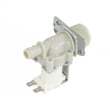
| Water fill | LG washer single-solenoid water inlet valve 5220FR2006H | Solenoid valve and screened inlet; must control flow accurately |
How we recommend saving money without risking repeat repairs
- Confirm the symptom first (drain, fill, door won’t lock, noise) before ordering.
- Clean and maintain common clog points (pump filter, inlet screens) to avoid unnecessary part replacement.
- Replace related wear items together when it makes sense (for example, clamps or seals when servicing hoses).
- Avoid off-brand substitutes for critical water or electrical parts; authorized parts help prevent leaks and fit issues.
- Use the troubleshooting and maintenance steps in the WM3488HS owner's manual to reduce repeat failures.
Why it matters
On a washer-dryer combo like the LG WM3488HS, a low-cost incorrect part can create bigger problems (leaks, no-drain, door lock faults, or electrical issues). Paying for the correct assembly and fit often reduces downtime and prevents repeat service.
Last updated: February 2026