Owner’s manual
 Error Codes




What is the upper part of a fridge called?
In a Kenmore top-mount refrigerator model 10676234402, the upper compartment is the freezer compartment (often just called the freezer). It is the section designed to keep foods frozen and, on many setups, it also supplies cold air to the fresh food section.
What you will typically find in the upper (freezer) compartment
In a top-mount design, the freezer is more than storage; it is also where cooling starts and airflow is routed down to the refrigerator section.
- Freezer shelf for organizing frozen foods
- Pull-out freezer floor (on some configurations)
- Air vents that move cold air through both sections
- Ice maker area (if equipped)
- Door bins or shelves for smaller items
For the exact feature layout and terminology used for your unit, use the 10676234402 owner's manual.
Freezer vs. refrigerator section (quick comparison)
| Section | Location on a top-mount unit | Main job | Common items stored |
|---|---|---|---|
| Freezer compartment | Upper compartment | Freezes food and drives cooling airflow | Frozen foods, ice, long-term storage |
| Fresh food compartment | Lower compartment | Keeps food cold (not frozen) | Produce, dairy, drinks, leftovers |
Why it matters
Knowing that the upper section is the freezer helps when troubleshooting temperature issues. If freezer vents are blocked, airflow can be reduced and you can end up with warm spots, moisture problems, or uneven cooling in the refrigerator section.
Tips to avoid cooling problems related to the freezer
- Keep freezer vents clear of boxes and bags
- Do not overpack the freezer; leave space for air circulation
- Wrap foods tightly to reduce odor transfer between sections
- Set controls to recommended starting points, then adjust gradually
- If you have an ice maker, keep the area around it clear for airflow and access
Last updated: January 2026
What is a top mount refrigerator?
A top-mount refrigerator is a classic fridge layout where the freezer compartment is on top and the fresh-food (refrigerator) section is below. Your Kenmore 10676234402 uses this design to circulate cold air between both sections through built-in vents (so keeping vents clear matters).
How a top-mount refrigerator works
In a top-mount design, cooling starts in the freezer area and air moves between compartments.
- Cool air enters through the bottom of the freezer section and moves upward.
- Most air recirculates within the freezer; some flows into the refrigerator section through an upper vent.
- Blocking vents with food packages can cause temperature swings and moisture issues.
- Odors can transfer between sections because air circulates between both compartments.
- Controls are typically preset to mid-settings when first installed.
For the exact airflow and control details for this model, use the 10676234402 owner's manual.
Top-mount vs. other refrigerator styles
| Style | Freezer location | Typical benefits | Common tradeoffs |
|---|---|---|---|
| Top-mount | Top | Simple layout, usually lower cost, easy freezer access | Fresh-food shelves sit lower, may require more bending |
| Bottom-freezer | Bottom | Fresh-food items at eye level | Freezer access requires bending |
| Side-by-side | Left/right | Narrow door swing, easy access to both sections | Narrower shelves for wide items |
Setup tips that matter for top-mount models
Good installation and airflow help a top-mount refrigerator cool evenly.
- Leave about 1/2 inch of space on each side and at the top for ventilation.
- If installed next to a fixed wall, allow about 2 inches minimum clearance for door swing.
- Avoid installing near heat sources; keep the room temperature above 55°F.
- Level the refrigerator using the front leveling screws so doors seal properly.
Why it matters
Knowing you have a top-mount refrigerator helps you troubleshoot correctly: airflow between compartments is essential, so vent blockages, door seal gaps, or poor leveling can show up as uneven cooling in either the freezer or fresh-food section.
Last updated: January 2026
How to find model number on Kenmore?
For Kenmore model 10676234402, the model number is printed on the model and serial number label, typically located on the inside wall of the refrigerator compartment. Use that full model number when ordering parts, checking error codes, or looking up service information in the 10676234402 owner's manual.
Where to look on a Kenmore refrigerator
Check these common label locations (start with the fresh food section):
- Inside the refrigerator compartment on a side wall (most common)
- Inside the refrigerator door frame
- Behind or near the lower crisper drawers (on the interior liner)
- Inside the freezer compartment on a side wall
- Behind the base grille or near the kick plate area
What to write down (and why)
We recommend recording these items exactly as shown on the label:
- Model number (example format in the manual: 106.)
- Serial number
- Purchase date
Why it matters
The model number narrows your appliance to the correct parts list and diagrams. Even small differences can change which items fit, such as an ice maker assembly, door gasket, or electronic control.
Quick checklist before you order parts
| Item | What to match | Example for this refrigerator |
|---|---|---|
| Model number | Exact characters | 10676234402 |
| Brand | Name on the badge | Kenmore |
| Product type | Configuration | Top-mount refrigerator |
| Serial number | Exact characters | From the label |
Related help for this model family
If you are troubleshooting and see a display code, use the model-family guide: Kenmore 106 model refrigerator error codes.
Last updated: January 2026
What are the common problems with Kenmore Elite refrigerators?
Common problems we see on Kenmore top-mount refrigerators like model 10676234402 include poor cooling from restricted airflow or a fan issue, frost buildup from door-seal or defrost problems, weak water dispenser flow from a clogged filter or supply restriction, and noises that range from normal to repair-needed. Use the 10676234402 owner's manual to match symptoms to the right checks.
Most common symptoms and likely causes
- Not cooling well: blocked air vents, overpacked shelves, dirty condenser area, or a failed evaporator fan motor.
- Excess frost or ice: door left ajar, torn or dirty door gasket, or a defrost system problem.
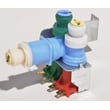
- Water dispenser slow or weak: clogged filter, kinked supply line, or a shutoff valve issue.
- Water leaks or puddles: drain issue, water line connection problem, or dispenser use habits.
- Noises (buzzing, clicking, humming): some sounds are normal; repeated clicking can point to a start or compressor-related issue.
Quick checks we recommend first
- Keep vents clear and avoid packing food tightly against the back wall.
- Verify installation clearances: about 1/2 inch on the sides and top; allow extra space behind if an ice maker water line is connected.
- Clean the door gasket and the surface it seals against; confirm the doors close fully.
- If dispenser flow is weak, remove the filter temporarily and test flow; if flow improves, replace the filter.
Symptom-to-fix map
| Symptom | Most likely area | What to do first |
|---|---|---|
| Warm fridge and freezer | Airflow or evaporator fan | Clear vents; listen for fan operation |
| Frost on back wall | Door seal or defrost | Check gasket seal; confirm door closes |
| Slow dispenser flow | Filter or water supply | Test flow with filter removed; check for kinks |
| Door won’t close smoothly | Shelves/bins or leveling | Reposition items; level and align doors |
Parts that often come up
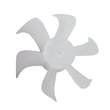
- Evaporator motor WPW10189703 (moves cold air through the freezer and fresh food section)
- Refrigerator condenser fan W11578915 (moves air across the condenser area)
Why it matters
Airflow and door sealing control temperature stability. When either is off, the refrigerator runs longer, frost builds faster, and cooling performance drops.
Last updated: January 2026