


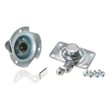
What's the life expectancy of a GE dryer?
A GE electric dryer like model DPXQ473ET0WW typically lasts about 10 to 13 years with normal household use. Consistent airflow (clean lint system and venting) and keeping the drum support parts in good shape are the biggest factors in reaching that lifespan.
What most affects dryer lifespan
- Vent restriction (long runs, crushed flex duct, clogged exterior hood) increases heat stress.
- Lint buildup inside the cabinet can overheat components and shorten part life.
- Worn drum support (glides, felt seals) makes the drum drag and strains the motor.
- Overloading stretches the belt and increases bearing and motor wear.
- Power issues (loose cord/terminal block connections) can cause intermittent heating and damage.
Quick maintenance that adds years
- Clean the lint screen every load; wash it with mild soap monthly to remove residue.
- Inspect and clean the vent path at least yearly (more often with pets or heavy use).
- Keep loads sized so items tumble freely; avoid packing the drum tight.
- If you hear squealing or thumping, address drum support wear early.
Common “wear parts” that signal age
| Symptom | Most common cause | Example part for DPXQ473ET0WW |
|---|---|---|
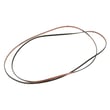
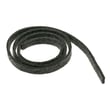
| Drum won’t turn, motor runs | Broken or slipped belt | Drive belt WE03X29897 |
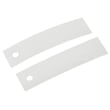
| Squealing, scraping, rough tumbling | Worn drum glides or felt seal | Dryer drum glide bearing WE03X37318 |
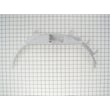
| Runs but no heat | Failed heater or safety device (after airflow checks) | Heater & h WE11M23 |
Why it matters
A dryer can “still run” while slowly losing efficiency; restricted airflow and worn drum supports raise operating temperature, increase dry times, and accelerate failures in the heating system, motor, and controls.
Last updated: February 2026
Where to find part number on GE dryer?
On a GE electric dryer like model DPXQ473ET0WW, the model and serial tag is usually on the door opening (door frame) or just inside the door. Once you have the model number, we use it to match the correct replacement parts for your exact dryer.
What to look for on the tag
The tag typically includes:
- Model number (for example, DPXQ473ET0WW)
- Serial number (used to identify production run)
- Electrical ratings (volts/amps)
- Sometimes a color code or manufacturing date code
How to use that information to get the right part
For GE dryers, the safest way to get the correct part number is to start with the model number, then select the part by name in the parts list.
- Match the symptom (won’t start, no heat, squealing, thumping)
- Identify the system involved (heat, drum drive, door switch, airflow)
- Choose the exact part listing for DPXQ473ET0WW
If you are chasing a common “no tumble” issue, the drive belt WE03X29897 is one of the first parts we check for this model.
Quick examples (common symptoms and likely parts)
| Symptom | Common area to check | Example part for DPXQ473ET0WW |
|---|---|---|
| Drum won’t turn | Drum drive | Drive belt, idler, motor |
| Dryer runs but no heat | Heating circuit | Heating element, thermostat |
| Dryer won’t start | Door/start circuit | Door switch, timer |
Why it matters
GE often uses similar-looking parts across multiple dryer series; using the model tag (not just the dryer’s appearance) prevents ordering the wrong belt, heater, timer, or door switch.
Last updated: February 2026
What is the most common problem with a GE electric dryer?
The most common problem we see with a GE electric dryer like model DPXQ473ET0WW is no heat or long dry times, usually caused by restricted airflow (lint buildup or venting issues) or a failed heating circuit component such as the heating element or safety thermostat.
Most common symptoms and what they usually mean
- Runs but no heat: heating element, thermostat, or power supply issue
- Takes too long to dry: clogged lint screen, blocked vent, weak airflow
- Stops mid-cycle: overheating from poor airflow, thermostat opening
- Drum not turning: broken belt or a drive system problem
- Loud scraping or thumping: worn drum glides or felt seals
Quick checks we recommend first (fast, high-impact)
- Clean the lint screen and confirm air is blowing strongly outside at the vent hood.
- Check the vent path for kinks, crushed flex duct, or heavy lint buildup.
- For electric dryers, confirm the outlet is supplying 240V (a dryer can run on 120V but not heat).
- If the drum will not tumble, inspect the belt and drum support surfaces.
- If you smell overheating, stop using the dryer until airflow is corrected.
Common parts involved on DPXQ473ET0WW
| Symptom | Likely area | Example part for this model |
|---|---|---|
| No heat | Heating circuit | Heater & h WE11M23 |
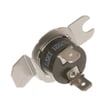
| Overheats or shuts off | Safety temperature control | Dryer safety thermostat WE4M160 |
| Drum not spinning | Drive system | Drive belt WE03X29897 |
| Scraping, poor drum support | Drum support surfaces | Dryer drum glide bearing WE03X37318 |
Why it matters
Airflow problems do more than slow drying; they raise internal temperatures and can trigger safety shutoffs, damage heating components, and shorten the life of the motor and drum support parts.
Helpful DIY guidance
For step-by-step airflow and drying-time troubleshooting, use dryer takes a long time to dry.
Last updated: February 2026
Why is the drum squeaking on my GE dryer?
A squeaking drum on your GE DPXQ473ET0WW electric dryer is almost always caused by drum support friction (worn glides/bearings, felt seal rubbing) or a drive system part starting to bind (belt, idler, or motor pulley). Start by checking for small items in the drum and lint filter chute, then inspect the drum support parts.
Quick checks you can do first
- Unplug the dryer, then rotate the drum by hand; note if the squeak is once-per-revolution (drum support) or constant (drive system).
- Check the drum for foreign objects (coins, bra wires, paper clips) and look down the lint filter opening for anything trapped.
- Confirm the dryer is level and sitting solidly; cabinet twist can make the drum rub.
- Run a short cycle empty; listen for squeaks that change when you press lightly on the front panel.
Most common causes on this model
| Symptom | Most likely source | What you typically find |
|---|---|---|
| Squeak once per drum turn | Drum glides/bearings | Worn, grooved, or missing glide material |
| Squeak or chirp near the front | Felt seal rubbing | Felt is hardened, torn, or folded |
| Squeal that gets louder quickly | Belt or idler path | Belt glazing, misrouting, or pulley drag |
| Thumping plus squeak | Drum support wear | Drum riding unevenly on supports |
Parts that commonly fix a squeaking drum
If inspection shows wear, these are the most common wear items to replace for squeaks:
- Dryer drum glide bearing WE03X37318 (front drum support glide)
- Felt WE09X27634 (drum seal that prevents metal-to-metal rubbing)
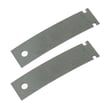
- Slide drum WE03X37317 (drum slide support)
- Drive belt WE03X29897 (belt can squeal if glazed or slipping)
Why it matters
A squeak is an early warning that the drum is not riding smoothly. Fixing worn glides, felt, or a dragging belt early helps prevent drum damage, overheating from friction, and bigger repairs like replacing the drum or motor.
Last updated: February 2026





