Installation guide
 Owner’s manual
 Error Codes



How to order GE appliance parts?
For your GE PSF26NGPBBB side-by-side refrigerator, we recommend ordering replacement parts by matching your full model number and the exact part ID, then selecting the part from the PSF26NGPBBB parts list. For part diagrams, procedures, and part identification, use the PSF26NGPBBB owner's manual.
What to do before you place an order
- Confirm the model number is PSF26NGPBBB (use the rating label inside the fresh food section).
- Identify the failed system: water/ice, cooling, defrost, lighting, or door sealing.
- Use the manual to confirm the part name and where it installs.
- Match the part ID exactly (example: WR57X33326), not just a description.
- If you are replacing a water filter, plan for a short flush after installation.
Commonly ordered parts for PSF26NGPBBB
If you are troubleshooting water, ice, or temperature issues, these are frequent replacements for this model:
| Symptom | Part to check | Example part ID on this model |
|---|---|---|
| Bad taste/slow water | Refrigerator water filter | MWFP |
| No ice or no water | Refrigerator water inlet valve assembly | WR57X33326 |
| Warm temps or erratic temps | GE Profile refrigerator temperature sensor | WR55X10025 |
| Ice clumping or chute not closing | Refrigerator dispenser ice chute door kit | WR17X11653 |
Ordering tips that prevent returns
- Order by part ID and confirm it is listed for PSF26NGPBBB.
- If a part is unavailable, keep your refrigerator operating safely where possible (for example, the manual notes the dispenser and icemaker will not run without a filter or bypass plug installed).
- For electrical diagnosis before ordering controls, sensors, or motors, use safe testing practices and the wiring information in the manual.
Why it matters
Ordering by the exact model number and part ID helps ensure fit, correct connectors, and proper function, especially for water system parts (filter head, inlet valve) and temperature sensing parts that affect cooling performance.
Last updated: February 2026
What is the most common problem with a GE refrigerator?
The most common problem we see with GE refrigerators like model PSF26NGPBBB is a cooling complaint (fresh food or freezer too warm). In many cases, the root cause is restricted airflow or heat removal, or a failed cooling-air component such as a fan motor, sensor, or defrost control part.
Most common causes to check first
Start with the items that most often create temperature swings, warm sections, or slow recovery after door openings.
- Dirty or blocked condenser area (poor heat removal)
- Air vents blocked by food packages (restricted airflow)
- Evaporator fan not moving air (freezer may be cold but fresh food warms)
- Defrost system issue causing frost buildup (airflow gets choked off)
- Temperature sensing issue (control does not run cooling correctly)
Quick symptom-to-likely-cause guide
| Symptom | Most likely area | Common next step |
|---|---|---|
| Fresh food warm, freezer cold | Airflow from freezer to fresh food | Check evaporator fan operation; inspect vents |
| Both sections warm | Heat removal or sealed system not running | Clean condenser area; listen for compressor/fans |
| Frost on freezer back wall | Defrost system | Check defrost thermostat and airflow |
| Ice maker slow, small or hollow cubes | Water supply or filter restriction | Replace the water filter |
Parts that commonly solve these problems on PSF26NGPBBB
If basic cleaning and airflow checks do not fix the issue, these model-matched parts are frequent repair paths:
- Refrigerator evaporator motor WR60X10307 (moves cold air through the freezer and into the fresh food section)
- GE profile refrigerator temperature sensor WR55X10025 (helps the control maintain stable temperatures)
- Refrigerator defrost thermostat WR50X10068 (supports proper defrost operation)
- Refrigerator water filter MWFP (helps prevent slow water flow and small/hollow ice cubes)
Why it matters
Cooling problems are usually progressive; restricted airflow or a weak fan can start as “sometimes warm” and turn into food spoilage. Addressing airflow, defrost, and sensing issues early helps the refrigerator hold safe temperatures and reduces strain on the compressor.
Safety and model-specific notes
- Unplug the refrigerator before cleaning or repairs; setting controls to Off does not remove power to the light circuit.
- For long vacations, the manual recommends unplugging, cleaning, leaving doors open, turning the icemaker off, and shutting off the water supply.
For model-specific operating and care steps, use the owner's manual.
Last updated: February 2026
Can I replace fridge parts myself?
Yes. On the GE PSF26NGPBBB side-by-side refrigerator, we can replace many common parts ourselves (filters, light bulbs, some dispenser and ice maker items) with basic tools and careful shutoff steps; sealed-system and complex electrical repairs are best left to a technician. See the PSF26NGPBBB owner's manual for model-specific procedures and safety notes.
Good DIY replacements for this model
These repairs are typically straightforward because they involve accessible components and minimal disassembly:
- Replace the refrigerator water filter on schedule (use refrigerator water filter MWFP)
- Swap a burned-out interior bulb (use GE appliance light bulb, 40-watt 40A15)
- Fix dispenser ice door issues (use refrigerator dispenser ice chute door kit WR17X11653)
- Replace an ice maker assembly if it stops producing ice (use refrigerator ice maker WR30X10093)
- Address some water dispensing problems by replacing the valve (use refrigerator water inlet valve assembly WR57X33326)
Repairs that usually should not be DIY
These jobs can involve refrigerant handling, advanced diagnostics, or higher shock risk:
- Sealed refrigerating system work (compressor, condenser coil, evaporator)
- Major wiring harness repairs inside cabinet walls
- Advanced control board diagnosis and live-voltage testing
Safety steps we follow before any repair
- Unplug the refrigerator (or switch off the breaker)
- Shut off the house water supply if working on the dispenser/ice maker
- Protect floors and use a non-scratching surface for doors or panels
- Keep screws organized by step and location
- Use proper tools (nut drivers, Phillips screwdriver, multimeter when needed)
Quick guide: DIY vs. technician
| Task | Typical DIY? | Why |
|---|---|---|
| Water filter replacement | Yes | No tools; low risk |
| Light bulb replacement | Yes | Simple access; low risk |
| Ice chute door kit | Often | Moderate disassembly |
| Water inlet valve | Often | Water line handling; leak checks |
| Compressor/evaporator | No | Sealed system and specialized tools |
Why it matters
Choosing the right repair level prevents water leaks, food temperature problems, and electrical hazards. It also helps us avoid replacing the wrong part when the real issue is airflow, a sensor, or a dispenser mechanism.
Last updated: February 2026
What are the most commonly replaced parts in a refrigerator?
In a GE PSF26NGPBBB side-by-side refrigerator, the most commonly replaced parts are the water filter, ice maker and dispenser components, door gasket, light bulb, and cooling or defrost-related parts such as sensors, fan motors, and thermostats. These parts wear out first because they handle water flow, door sealing, and daily cycling.
Most common replacements (and what they affect)
- Water filter: improves taste and protects the dispenser and valve from sediment buildup
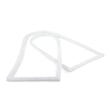
- Door gasket: prevents warm air leaks that cause sweating, frost, and temperature swings
- Ice maker and dispenser parts: restore ice production and stop jams or leaks at the chute
- Light bulb: restores interior lighting when the bulb burns out
- Temperature sensing and airflow parts: help stabilize fresh food and freezer temperatures
- Defrost parts: prevent frost buildup that can block airflow and reduce cooling
Model-matched parts we see replaced often for PSF26NGPBBB
| Symptom | Common part category | Example part for this model |
|---|---|---|
| Water tastes bad or flow is slow | Filtration | Refrigerator water filter MWFP |
| No ice or intermittent ice | Ice maker | Refrigerator ice maker WR30X10093 |
| Water dispenser not working or leaking | Water supply | Refrigerator water inlet valve assembly WR57X33326 |
| Warm temps or erratic temps | Sensing | GE profile refrigerator temperature sensor WR55X10025 |
| Frost buildup, poor airflow | Defrost control | Refrigerator defrost thermostat WR50X10068 |
| Interior light out | Lighting | GE appliance light bulb, 40-watt 40A15 |
Quick checks before you order a part
- Confirm the doors close fully; a bin hitting a shelf can keep the door from sealing
- Inspect the door gasket for folds, gaps, or sticking along the hinge side
- If the unit is beeping, check for a door left open
- For water on the floor or ice at the dispenser, check for cubes jammed in the chute
- If a light is out, replace the bulb before troubleshooting wiring
Why it matters
Replacing the right “high-wear” part first (filter, gasket, ice maker, valve, sensor) often fixes the most common refrigerator complaints quickly and helps prevent secondary issues like frost buildup, moisture, and temperature instability. For model-specific procedures and locations, use the owner's manual.
Last updated: February 2026
What is the average lifespan of a side-by-side refrigerator?
Most side-by-side refrigerators last about 12 to 15 years with normal household use and basic maintenance. For your GE PSF26NGPBBB side-by-side refrigerator, keeping temperatures stable, doors sealing well, and airflow unobstructed helps you reach (and often exceed) that typical lifespan; see the PSF26NGPBBB owner's manual for model-specific care and operating guidance.
Typical lifespan and what affects it
A refrigerator’s lifespan is driven more by operating conditions than by the calendar.
- Usage patterns: frequent door openings and heavy loading increase run time
- Room conditions: hot kitchens and tight clearances make the compressor work harder
- Maintenance: dirty condenser area and blocked vents raise operating temperatures
- Water and ice system health: leaks or slow fills can stress components over time
- Electrical stability: repeated power interruptions can shorten control and motor life
What “normal” operation looks like on this model
Your manual notes that modern refrigerators can run longer and sound different than older units, especially after frequent door openings or when first plugged in. That longer run time is often normal and helps maintain even temperatures.
Quick reference: lifespan expectations by major system
| System | Typical service life | What you may notice first |
|---|---|---|
| Compressor and sealed system | 12 to 20 years | warm temps, long run times, unusual humming patterns |
| Fans and airflow parts | 8 to 15 years | warm spots, weak airflow, louder fan noise |
| Ice and water components | 5 to 10 years | slow water, small cubes, leaks, dispenser issues |
| Sensors and controls | 8 to 15 years | temperature swings, intermittent cooling |
Maintenance that extends lifespan (high impact)
These steps reduce heat load and prevent avoidable wear.
- Keep door openings brief; avoid holding doors open while loading groceries
- Leave space for airflow around the cabinet; avoid pushing the unit tight to the wall
- Clean spills promptly and keep interior vents clear of packages
- Replace the water filter on schedule to maintain flow and reduce strain on the water system (use the refrigerator water filter MWFP)
- If you will be away for an extended time, follow the vacation steps in the manual (unplug, clean, leave doors open, turn off icemaker and water supply)
Why it matters
A side-by-side refrigerator that runs hotter or longer than necessary wears out key components faster (compressor, fans, and defrost parts). Simple airflow and filter maintenance helps your GE PSF26NGPBBB cool efficiently, protect food quality, and avoid premature breakdowns.
Last updated: February 2026