Owner’s manual
 Error Codes




What is the details of LG dlex8377nm 27 front load electric dryer?
The LG DLEX8377NM is a 27-inch front-load electric steam dryer with an IEC-rated 7.3 cu. ft. capacity. Key specs from the product guide include 27 in. W x 30 in. D x 38 11/16 in. H (about 50 in. deep with the door open) and a net weight of 131 lb; see the owner's manual for the full feature list and operating details.
Here are the core measurements and capacity you typically need for fit, installation planning, and laundry load sizing:
| Spec | Value |
|---|---|
| Width | 27 in. |
| Depth | 30 in. |
| Height | 38 11/16 in. |
| Depth with door open | 50 in. |
| Drying capacity (IEC) | 7.3 cu. ft. |
| Net weight | 131 lb |
For electrical requirements, we use the rating label on the dryer for the exact circuit and amperage information.
- Electrical requirements: check the rating label for the detailed specs
- Model and serial number location: rating plate inside the front door
- Product family: LG TROMM series steam dryer (per the guide)
Correct dimensions help prevent clearance problems (especially depth with the door open). Capacity and weight help you plan load size, stacking/pedestal choices, and safe handling during installation or service.
If you are troubleshooting heat, noise, or long dry times on DLEX8377NM, these model-matched parts are common suspects:
- Dryer heating element 5301EL1001J (no heat or weak heat)
- Dryer thermistor AGM30045804 (temperature sensing and cycle control)
- Dryer drum belt 4400EL2001F (drum not turning, squealing, thumping)
You can order replacement parts for your LG DLEX8377NM from the parts list for this model, or search by model number on Sears PartsDirect.
Last updated: February 2026
What is the life expectancy of an LG dryer?
Most LG dryers, including model DLEX8377NM, last 10 to 15 years. Consistent airflow maintenance (lint screen and venting), correct installation, and addressing heat or noise symptoms early are what most often determine whether you land closer to 10 years or 15.
A dryer’s service life is mainly driven by heat management and mechanical wear.
- Vent restriction (lint buildup, crushed duct) shortens life by overheating components
- Overloading accelerates wear on the drum belt, rollers, and idler pulley
- Skipping lint cleaning reduces airflow and increases heat stress
- Long dry times usually signal an airflow or heating issue that should be corrected
- Squealing/thumping often points to wear parts that are inexpensive compared to major repairs
We recommend these habits for DLEX8377NM:
- Clean the lint screen every load
- Inspect and clean the full vent path regularly (dryer outlet to exterior hood)
- Keep the dryer level to reduce drum and bearing wear
- Avoid overdrying; use sensor cycles when possible
- If drying performance changes, troubleshoot right away using the owner's manual
Many “old dryer” problems are normal wear items, not a dead machine.
| Symptom | Most common cause | Example part on this model page |
|---|---|---|
| Drum won’t turn, motor runs | Worn/broken belt | Dryer drum belt 4400EL2001F |
| Squealing or chirping | Idler pulley wear | Dryer idler pulley 4560EL3001A |
| No heat or overheating symptoms | Heating or thermostat circuit issues | Dryer heating element 5301EL1001J |
A dryer that runs hot because of poor airflow can damage thermostats, sensors, and the heating system. Keeping airflow strong and replacing wear parts early helps you avoid bigger repairs and keeps drying times consistent.
You can order replacement parts for LG DLEX8377NM from the parts list for this model, or search by model number on Sears PartsDirect.
Last updated: February 2026
What is the most common problem with LG dryers?
The most common issue we see with LG dryers like model DLEX8377NM is poor drying performance caused by restricted airflow (lint buildup in the filter, housing, or vent). Airflow problems can also lead to overheating and cycle shutoffs; other frequent issues include no-heat and noisy tumbling.
- Clean the lint filter after every load (the manual notes the filter should be cleaned every cycle); see the owner's manual.
- Inspect the vent path for kinks, crushed flex duct, or heavy lint buildup.
- Confirm strong airflow at the outside vent hood while the dryer runs.
- Avoid overloading; packed loads block airflow through the drum.
- If drying times suddenly increase, stop using the dryer until the venting is cleared.
| Symptom | Most common cause | Parts that often fail on this model |
|---|---|---|
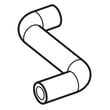
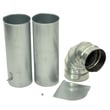
| Takes too long to dry | Restricted venting or lint buildup | Dryer exhaust duct 5209EL1006A, dryer lint screen cover 3550EL1006B |
| No heat or weak heat | Heating circuit problem | Dryer heating element 5301EL1001J, dryer thermistor AGM30045804, dryer blower thermostat 6931EL3002M |
| Loud squeal, thump, or rumble | Worn belt or pulley | Dryer drum belt 4400EL2001F, dryer idler pulley 4560EL3001A |
When airflow is restricted, moist air cannot leave the drum efficiently. That forces longer run times, can trigger high-temperature safety behavior, and increases wear on components like thermostats and the heating system.
If the display shows an error, use our LG dryer error codes guide to match the code to a likely cause before replacing parts.
Use the parts list for LG DLEX8377NM to match the exact part ID to your dryer. If you are shopping across models, search by model number on Sears PartsDirect.
Last updated: February 2026
How do I reset my LG dryer flow sensor?
On an LG DLEX8377NM dryer, a “Flow Sense” alert clears after you restore proper airflow and then power-cycle the dryer. Clean the lint filter and venting first, then unplug the dryer (or switch the breaker off) for 5 minutes and restart the cycle; see the troubleshooting steps in the owner's manual.
Flow Sense is an airflow restriction warning. Resetting it without fixing the restriction usually makes the alert come back because the dryer still cannot move enough air.
- Lint filter is coated with lint or fabric softener residue
- Crushed, kinked, or overly long exhaust duct
- Clogged wall cap or exterior vent hood (stuck flap, lint buildup)
- Excess lint inside the dryer exhaust path (blower housing, duct)
- Heavy load or mixed fabrics causing longer dry times (can trigger airflow-related warnings)
- End the cycle and turn the dryer off.
- Clean the lint filter (wash with warm water and a soft brush if it has a film).
- Check the vent run from the dryer to the outside; remove lint and correct kinks.
- Power reset: unplug for 5 minutes (or turn the breaker off for 5 minutes), then restore power.
- Test: run a timed dry cycle for 5 to 10 minutes and confirm strong airflow at the outside vent.
| What you notice | Most likely cause | What to check next |
|---|---|---|
| Dryer heats but takes too long | Restricted venting | Duct length, lint blockage, outside hood |
| Dryer runs but little or no heat | Heating circuit issue | Heating element, thermostats, thermistor |
| Dryer stops and shows airflow warning repeatedly | Severe restriction or internal lint | Exhaust ducting, blower area |
If venting is clear and the warning persists, we focus on the temperature-sensing and heating system.
- The thermistor helps the control monitor temperature: dryer thermistor AGM30045804
- A failed heater can cause poor drying performance: dryer heating element 5301EL1001J
- A safety thermostat can open if overheating occurs: dryer blower thermostat 6931EL3002M
Restricted airflow can cause long dry times, overheating, and repeated shutdowns. Fixing the venting first protects the heating element, thermostats, and motor, and it restores normal drying performance.
You can order replacement parts for your DLEX8377NM from the parts list for this model, or search by model number on Sears PartsDirect.
Last updated: February 2026