Installation guide
 Owner’s manual


What is the average lifespan of a KitchenAid dishwasher?
A KitchenAid dishwasher like model KDFE104HPS1 typically lasts 9 to 14 years with normal household use. Consistent cleaning, correct detergent and rinse aid use, and keeping the filtration system clear are the biggest factors that help you reach the high end of that range (or beyond).
What affects lifespan the most
We see these items make the biggest difference in how long a dishwasher runs reliably:
- Filter maintenance: keeping the filter system clean helps protect the wash pump and improves cleaning.
- Water quality: hard water buildup can shorten the life of valves, heaters, and seals.
- Loading habits: blocking spray arms or overloading increases strain and reduces wash performance.
- Detergent choice and dosing: too much detergent (especially with soft water) can cause issues like etching and residue.
- Drying settings and rinse aid: using rinse aid improves drying and helps reduce mineral spotting.
For model-specific care steps and the recommended filter-cleaning schedule, follow the KDFE104HPS1 user manual.
Typical lifespan by usage pattern
These are practical expectations for a KitchenAid dishwasher in a typical home:
| Usage pattern | Typical lifespan | Notes |
|---|---|---|
| Light (1 to 3 loads/week) | 12 to 14 years | Less wear on pumps, seals, and racks |
| Average (4 to 7 loads/week) | 10 to 12 years | Most common household range |
| Heavy (8 to 12 loads/week) | 9 to 11 years | More wear; maintenance matters more |
Maintenance checklist that helps you get the full lifespan
Use this as a simple routine for KDFE104HPS1:
- Clean the filter on the schedule shown in the manual (more often with hard water).
- Run hot water at the sink before starting so incoming water is closer to 120°F.
- Use rinse aid and choose Heat Dry or Extended Heat Dry when you need better drying.
- Periodically clean spray arm holes if you notice poor cleaning.
- Address leaks early; a worn door seal can let moisture reach components.
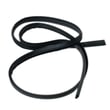
If you’re troubleshooting leaks around the door, the tub gasket W11177741 is one of the door-sealing components commonly involved.
Why it matters
Dishwashers often fail early from preventable causes (hard water scale, clogged filtration, and small leaks). Staying ahead of those issues helps protect high-cost components like the circulation pump, drain pump, and heating element.
Last updated: January 2026
What is the most common problem with a KitchenAid dishwasher?
For KitchenAid dishwashers like model KDFE104HPS1, the most common customer-reported issues are poor cleaning (food left on dishes) and leaking. On this model, poor cleaning is often tied to filter maintenance and spray coverage, while leaks commonly trace back to door sealing surfaces and loading or detergent issues (see the KDFE104HPS1 dishwasher user manual).
Most common issues (and what to check first)
- Food soils remain on dishes: check loading so nothing blocks the spray arms; clean and reinstall the filters.
- Cloudy or spotted dishes: use rinse aid and correct detergent amount for your water hardness.
- Water left in the tub (won’t drain): confirm the cycle completed; check for drain hose kinks or disposer knockout plug.
- Won’t fill: verify water supply is on; make sure the overfill float moves freely.
- Leaks: confirm the dishwasher is level; reduce suds by using only automatic dishwasher detergent.
Quick model-specific guidance for KDFE104HPS1
The KDFE104HPS1 manual highlights a few repeat causes behind “dirty dishes” complaints: blocked spray arms from loading, incoming water temperature below 120°F, and filters that need cleaning. It also notes that excess suds can cause overflow and filling problems.
Helpful parts to consider when symptoms point to a failure
If you’ve already corrected loading, detergent, and filter cleaning, these model-compatible parts are commonly involved in the two biggest complaint areas (cleaning and leaking):
| Symptom | Common suspect part | What it affects |
|---|---|---|
| Leaking at the door | Tub gasket W11177741 | Seals the tub/door area to prevent water escaping |
| Poor wash action or uneven cleaning | Dishwasher spray arm WPW10448645 | Directs pressurized water to clean dishes |
Why it matters
Most “KitchenAid dishwasher problems” start as maintenance or setup issues (filters, loading, rinse aid, water temp). Fixing those early helps prevent repeat wash failures, reduces odor buildup, and can help you avoid unnecessary part replacement.
DIY help we recommend
Last updated: January 2026
Is it worth fixing a KitchenAid dishwasher?
For KitchenAid model KDFE104HPS1, it’s usually worth fixing when the problem is limited to one system (drain, fill, latch, dispenser, or a door leak) and the tub and racks are still in good shape. If multiple major systems fail at once, replacement can make more sense.
Quick decision checklist for KDFE104HPS1
We typically recommend repair when most of these are true:
- The stainless tub and inner door liner are intact.
- The dishwasher still runs some functions (fills, washes, or drains), even if intermittent.
- The issue points to one area (drain, fill, heat/dry, door latch, or sealing).
- Leaks are limited to the door area and not multiple locations.
- You can confirm symptoms and run basic checks using the KDFE104HPS1 dishwasher user manual.
Common “worth fixing” repairs on this model
These are frequent, targeted fixes that often restore normal operation:
- Won’t drain: clean the filter area and check the drain path; if the pump is weak or noisy, consider the dishwasher drain pump W10876537.
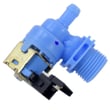
- Won’t fill: verify the shutoff valve is open and the float moves freely; a failed inlet valve can be the cause (see valve-water W11175771).
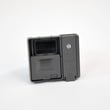
- Detergent door won’t open: large items can block it; if the dispenser is faulty, the dishwasher detergent dispenser W10861000 is a match.
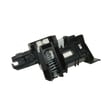
- Won’t start or won’t latch: a worn latch can prevent operation (see dishwasher door latch WPW10653840).
- Door leak: inspect the door seal and tub gasket contact area (see tub gasket W11177741).
Repair vs replace: simple comparison
| Situation | Usually repair | Usually replace |
|---|---|---|
| One clear symptom (won’t drain, won’t fill, dispenser issue) | Yes | No |
| Multiple major failures (drain + fill + heating + controls) | Sometimes | Yes |
| Repeated door leaks after seal checks and leveling | Sometimes | Yes |
| Lowest upfront cost is the priority | Yes | No |
Why it matters
KDFE104HPS1 is designed to run longer cycles to save water and energy, so “slow” operation is often normal. Many performance complaints are solved with maintenance (filters, loading, rinse aid, hot water at start) before replacing parts.
Helpful DIY reference
If you’re seeing a flashing code or unusual behavior, use KitchenAid he dishwasher error codes to narrow the problem before ordering parts.
Last updated: January 2026