Error Codes


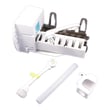
Are GE side-by-side refrigerators good?
Yes. GE side-by-side refrigerators like model GSH25SGPASS are a solid choice for everyday use because they typically deliver reliable cooling, easy access to fresh and frozen food, and convenient dispenser features. Overall performance depends most on installation, airflow, and keeping key maintenance parts in good condition.
What “good” usually means for a side-by-side
A good side-by-side refrigerator holds steady temperatures, makes ice consistently, and keeps airflow moving through both compartments.
Common strengths many owners value:
- Wide, easy-to-reach freezer and fresh-food sections
- Adjustable shelving for flexible storage
- In-door ice and water convenience
- Straightforward temperature controls
- Good visibility with interior lighting
What to watch for (and what to check first)
Most complaints we see on side-by-sides come down to airflow restrictions, icing, or dispenser issues.
Start with these quick checks:
- Confirm the doors seal tightly and close on their own
- Keep vents inside both compartments unblocked
- Replace the water filter on schedule (low flow affects water and ice)
- Clean dust from the condenser area to help cooling efficiency
- If temperatures swing, test the sensor and defrost system components
Parts that most often affect performance on this model
If your GSH25SGPASS is not cooling evenly, frosting up, or has weak dispenser flow, these parts are common suspects:
| Symptom | Likely system | Example part on this model |
|---|---|---|
| Warm fridge or freezer, temps fluctuate | Temperature sensing/control | Refrigerator temperature sensor WR55X10025 |
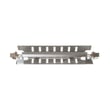
| Frost buildup, warm temps after a few days | Defrost system | Refrigerator defrost heater WR51X10055 |
| No water or weak water flow | Water supply/dispenser | Refrigerator water valve WR57X33326 |
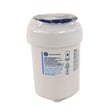
| Bad taste/odor, slow dispenser flow | Filtration | Refrigerator water filter MWFP |
Why it matters
Side-by-side refrigerators depend on steady airflow and accurate temperature feedback. When a sensor, defrost heater, or water valve starts failing, the refrigerator can still “run” but food quality, ice production, and energy use can suffer.
Last updated: February 2026
How wide is a 25.6 cubic foot refrigerator?
Most 25.6 cubic foot refrigerators are about 35 to 36 inches wide; the exact width depends on the brand and door style. For your GE GSH25SGPASS side-by-side refrigerator, confirm the exact cabinet and door-swing clearance before ordering parts or planning a fit.
Typical width ranges (what you’ll usually see)
Capacity alone does not set the width; configuration and insulation thickness matter.
- Side-by-side (like GE GSH25SGPASS): typically 35 to 36 in. wide
- French door: typically 35 to 36 in. wide
- Top freezer: often 28 to 33 in. wide
- Counter-depth versions: often 35 to 36 in. wide (but shallower depth)
Measure it the right way (so it actually fits)
Use a tape measure and capture both the refrigerator size and the space size.
- Measure cabinet width (case only, not including handles)
- Measure overall width (including handles, if they stick out)
- Check door swing clearance (space needed to open doors fully)
- Check airflow clearance (space behind and above for ventilation)
- Confirm the floor and trim are square (tight alcoves can pinch)
Quick measurement checklist
| What you’re measuring | Where to measure | Why it matters |
|---|---|---|
| Cabinet width | widest point of the case | Determines basic fit in the opening |
| Width with handles | handle-to-handle | Prevents surprises in tight kitchens |
| Door swing clearance | hinge side to wall/cabinet | Ensures drawers and bins can pull out |
| Opening width | inside edge to inside edge | Confirms the space is truly wide enough |
Why it matters
A refrigerator that is “about 36 inches wide” can still bind on cabinets or fail to open fully if the opening is tight or the hinge side is against a wall. Getting the width and clearance right also helps avoid stressing doors, gaskets, and dispenser components.
Related parts you might replace while you’re measuring
If you’re already checking fit and door operation, these common items are often involved in performance or door sealing:
- Refrigerator door gasket WR24X23250 (helps prevent warm air leaks)
- Refrigerator temperature sensor WR55X10025 (supports accurate temperature control)
- Refrigerator water filter MWFP (improves water and ice quality)
Last updated: February 2026
What is the average lifespan of a GE refrigerator?
Most GE refrigerators, including the GE GSH25SGPASS side-by-side, typically last 12 to 15 years with normal use. Consistent maintenance (clean airflow, good door sealing, and stable temperatures) is what most often separates a 10-year fridge from a 15-year fridge.
Typical lifespan and what to expect
Here’s a practical way to think about service life for a side-by-side refrigerator:
| Scenario | Typical lifespan | What usually drives it |
|---|---|---|
| Light use, good maintenance | 14 to 18 years | Clean condenser area, stable temps |
| Average household use | 12 to 15 years | Normal wear on fans, defrost system |
| Heavy use, poor airflow/dust buildup | 8 to 12 years | Overworked compressor, warm temps |
Maintenance that extends lifespan (most important)
We recommend these habits for GE side-by-side refrigerators:
- Keep the condenser area clean so heat can dissipate properly.
- Make sure doors close fully and gaskets seal all the way around.
- Replace the water filter on schedule to protect water flow and taste.
- Avoid overpacking; air must circulate through the freezer and fresh-food sections.
- Keep temperatures steady (freezer near 0°F, refrigerator near 37°F).
Parts that commonly affect performance as the unit ages
When a refrigerator starts warming, frosting up, or cycling oddly, these are frequent suspects on this model:
- Refrigerator temperature sensor WR55X10025 (temperature feedback to the control system)
- Refrigerator defrost heater WR51X10055 (melts frost off the evaporator)
- Refrigerator thermostat WR50X10068 (defrost temperature safety and control)
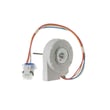
- Dc evaporator motor WR60X10185 (moves cold air through compartments)
- Refrigerator water valve WR57X33326 (water supply to dispenser and ice maker)
Why it matters
A refrigerator can run for years while slowly losing efficiency. Catching airflow, defrost, or sealing problems early helps prevent temperature swings that stress the compressor and shorten overall lifespan.
Last updated: February 2026
What is the most common problem with a GE refrigerator?
The most common GE refrigerator complaint is not cooling properly (fresh food warm, freezer not holding temperature). On GE model GSH25SGPASS, the usual causes are airflow problems, a defrost failure, or a temperature-sensing/control issue.
Most common symptoms and what they usually point to
- Fridge warm, freezer cold: evaporator fan not moving air, iced-over evaporator, blocked vents
- Both sections warm: condenser airflow issue, sealed system/compressor problem, control issue
- Frost buildup on back freezer panel: defrost heater or defrost thermostat problem
- Clicking, buzzing, or humming: fan blade hitting ice, failing fan motor, or compressor start issues
- Water under fridge or inside: clogged/iced defrost drain or water line connection leak
Quick checks we recommend first (no parts yet)
- Set temps to typical targets: 0°F freezer, 37°F fresh food.
- Make sure vents are not blocked by food packages.
- Clean dust from the condenser area and confirm the condenser fan is running.
- Listen for the evaporator fan in the freezer (door switch held in).
- Look for heavy frost on the freezer back wall (a strong defrost clue).
Parts that commonly fix “not cooling” on GSH25SGPASS
If your checks point to sensing, airflow, or defrost problems, these model-matched parts are common solutions:
| Problem pattern | Common part to check/replace | What it does |
|---|---|---|
| Temps swing, unit runs too long/short | Refrigerator temperature sensor WR55X10025 | Reports temperature to the control system |
| Frost buildup, poor airflow | Refrigerator defrost heater WR51X10055 | Melts frost off the evaporator |
| Frost buildup, defrost not cycling | Refrigerator thermostat WR50X10068 | Senses coil temp to control defrost |
| Freezer cold but fridge warm | Dc evaporator motor WR60X10185 | Moves cold air from freezer to fresh food |
Why it matters
A cooling problem is usually progressive. Catching it early prevents food spoilage and helps avoid secondary damage like fan blades hitting ice or the compressor running nonstop.
For safe DIY diagnosis, we use a meter to confirm voltage and continuity before replacing electrical parts; our guide on how to use a multimeter to test electrical parts video helps you do that correctly.
Last updated: February 2026