Owner’s manual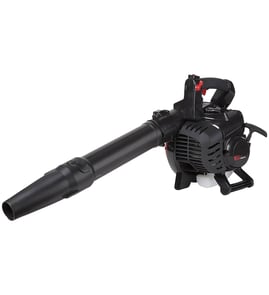





How many cfm should a good leaf blower have?
A “good” leaf blower CFM depends on the size of the cleanup and the type of debris. For most homeowners, 400 to 700 CFM is the sweet spot; it moves enough air volume to clear leaves efficiently without stepping up to a heavier, higher-output unit. For Craftsman model 316794001, use the owner's manual to compare your blower’s rated airflow to these ranges.
- 200 to 400 CFM: small patios, garages, light dry leaves
- 400 to 700 CFM: typical residential yards and seasonal leaf cleanup
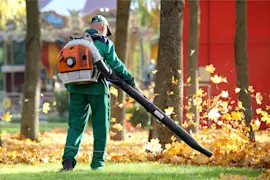
- 700+ CFM: large properties, heavier piles, damp leaves (often backpack blowers)
- 900+ CFM: frequent heavy-duty use and professional-style cleanup
CFM is air volume; MPH is air speed. Most people get better results by prioritizing CFM first, then checking MPH for “punch.”
| Spec | What it affects | Best for |
|---|---|---|
| CFM | How much air moves | Moving lots of leaves across a lawn or driveway |
| MPH | How hard the air hits | Dislodging wet leaves, pine needles, and debris stuck in corners |
- Measure your cleanup area (small lot vs. large yard)
- Consider debris type (dry leaves vs. wet leaves and pine needles)
- Decide on comfort needs (handheld vs. backpack)
- Balance power with noise and run time (higher output often uses more fuel)
- If performance has dropped, check for airflow restrictions and fuel issues before replacing the blower
Choosing the right CFM helps you finish faster with less effort. Too little airflow means you keep re-blowing the same piles; too much airflow can be harder to control around mulch beds and landscaping.
Last updated: February 2026
Are gas leaf blowers being phased out?
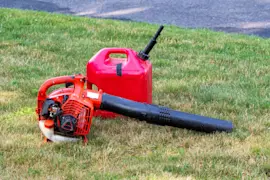
Yes. Gas leaf blowers like the Craftsman 316794001 are being phased out in many areas through local noise and emissions rules; some places restrict when they can be used, while others ban certain gas models entirely. The exact status depends on your city and state.
Most policies fall into one of these categories:
- Sales restrictions: limits on selling new gas-powered outdoor equipment.
- Use restrictions: limits on when and where gas blowers can be operated (hours, seasons, decibel limits).
- Commercial-only rules: stricter rules for landscaping crews than for homeowners.
- Full bans: prohibiting operation of gas leaf blowers within city or county limits.
- State preemption: some states limit what local governments can ban.
Use this quick checklist so you do not buy parts you cannot use locally:
- Check your city ordinance for “leaf blower,” “gas-powered,” “two-stroke,” or “small off-road engine.”
- Check county rules if you live outside city limits.
- Look for seasonal enforcement dates and phase-in timelines.
- Confirm whether rules apply to homeowners, contractors, or both.
- Keep your blower’s model number (316794001) handy when reading requirements.
Good maintenance reduces smoke, fuel odor, and hard-start issues:
- Use fresh, properly mixed fuel (for 2-cycle engines) and do not store it long-term.
- Replace leaking or cracked fuel components promptly.
- Fix air leaks that cause a lean run condition.
- Keep fasteners tight to reduce vibration and exhaust leaks.
| Symptom | Often involved | Example part on this model page |
|---|---|---|
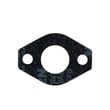
| Hard starting, surging | Carburetor sealing and air leaks | Engine carburetor mount gasket 753-06253 |
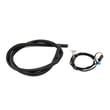
| Poor throttle response | Cable or grip issues | Leaf blower throttle cable 753-06434 |
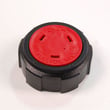
| Fuel smell or leaks | Tank or cap problems | Leaf blower fuel tank assembly 753-05654 |
If your area is tightening rules, keeping your Craftsman 316794001 running cleanly and predictably helps you avoid downtime and makes it easier to decide whether to repair, convert your workflow, or replace the unit.
For model-specific operation and maintenance details, use the owner's manual.
Last updated: February 2026
What is the life expectancy of a gas leaf blower?
A gas leaf blower typically lasts about 7 to 10 years with normal homeowner use and routine maintenance. For your Craftsman 316794001 blower, consistent fuel care, air filtration, and vibration control do the most to extend engine life; see the 316794001 owner's manual for model-specific maintenance intervals.
- Light seasonal use + good maintenance: 10 years
- Regular weekly use: 7 to 10 years
- Heavy use, dusty conditions, or poor fuel storage: 3 to 6 years
- Old fuel or wrong mix: Use fresh, properly mixed fuel; empty the tank before long storage.
- Dirty air filter or intake restriction: Clean or replace the filter on schedule.
- Loose fasteners and vibration: Inspect mounts and hardware; replace worn isolators.
- Overheating: Keep cooling fins and the muffler area clear of debris.
- Fuel leaks or cracked lines: Fix leaks immediately to prevent hard starting and lean running.
If performance drops (hard starting, surging, stalling), these parts often matter most:
- Lawn & garden equipment engine carburetor mount gasket 753-06253 (air leaks at the carb mount)
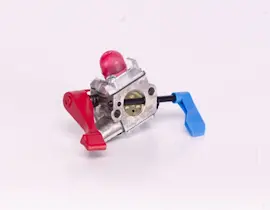
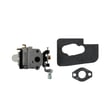
- Ace leaf blower carburetor 753-06442 (fuel metering and starting)
- Troybilt leaf blower vibration isolator 753-05648 (reduces vibration-related wear)
- Leaf blower fuel tank assembly 753-05654 (leaks, cracked tank, or damaged fittings)
| Symptom | Most likely area | Typical fix |
|---|---|---|
| Starts then dies | Fuel delivery or air leak | Check carb mount gasket; clean or replace carb |
| Won’t idle, surges | Carburetor tuning or restriction | Service or replace carburetor |
| Excessive vibration | Mounting/isolation | Replace vibration isolator; tighten hardware |
| Fuel smell or wet spots | Tank/cap/lines | Replace tank assembly or cap; inspect lines |
A blower can run for years longer when it is not running lean (air leaks), not ingesting dirt (air filtration), and not shaking itself loose (vibration control). Those three issues are also the most common causes of “it still runs, but it’s getting worse” complaints.
Last updated: February 2026
What brand of gas leaf blower is best?
The “best” gas leaf blower brand depends on how you’ll use it. For most homeowners, Craftsman is a strong value choice; for heavy-duty, frequent use, pro-focused brands typically win on power and long-term durability. Use your needs (handheld vs backpack, CFM/MPH, weight, noise) to pick the best fit.
When you compare brands, focus on the features that change real-world performance and comfort:
- Type: handheld for quick cleanup; backpack for long sessions and larger yards
- Power: higher airflow (CFM) moves more leaves; higher airspeed (MPH) helps lift wet debris
- Weight and balance: lighter units reduce fatigue; backpack harness fit matters
- Starting and fueling: easy-start systems help; correct fuel mix and fresh fuel prevent hard-start issues
- Serviceability: access to common wear parts (carburetor, fuel tank, throttle cable, ignition)
| If you want... | Brand type that usually fits best | What to prioritize |
|---|---|---|
| Best value for typical home use | Value brands (including Craftsman) | Comfort, easy starting, parts availability |
| Best for large properties | Pro-focused backpack brands | High CFM, padded harness, vibration control |
| Best for occasional light cleanup | Entry-level handheld brands | Low weight, simple controls |
If you already own a Craftsman 316794001, the “best” choice is often keeping it running at peak performance with the right maintenance and the right replacement parts. A blower that starts easily and holds a steady idle will feel more powerful than a neglected higher-CFM unit.
If your blower is hard to start, surges, or won’t rev, these are frequent fix areas:
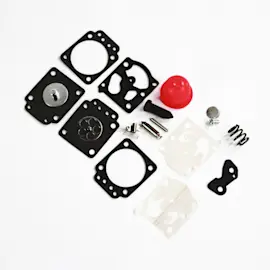
- Air leaks at the carb mounting surface: lawn & garden equipment engine carburetor mount gasket 753-06253
- Fuel delivery issues: leaf blower fuel tank assembly 753-05654 and yard-man lawn & garden equipment engine fuel tank cap 791-182529
- Throttle control problems: mtd leaf blower throttle cable 753-06434
- No-spark or intermittent spark: leaf blower ignition module 753-06443
For the correct fuel mix, starting procedure, and maintenance intervals for your Craftsman 316794001, use the owner's manual.
Last updated: February 2026