Get free shipping on your order, with any water filter subscription. Find my filter

Open Hamburger Menu
Sears Parts Direct
Tips to find your model number
Kenmore 11066712690 electric dryer

Kenmore 11066712690 electric dryer Parts

Here are the diagrams and repair parts for Kenmore 11066712690 electric dryer, as well as links to manuals and error code tables, if available.

By Schematic
By Part
SELECT DIAGRAM
?

This is the number corresponding to the part on the diagram / schematic

Browse Parts for 11066712690 Electric Dryer

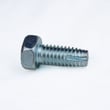
  • Dryer Motor Bracket Bolt for Kenmore 11066712690 - Part 3400500

    Cabinet diagram

    Dryer Motor Bracket Bolt

    In Stock
    $18.61
    10% OFF Phone Price : $20.61Info Icon
    Minus Item
    Qty
    Plus Item
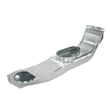
  • Dryer Lint Chute Assembly for Kenmore 11066712690 - Part W11117429

    Bulkhead diagram

    Dryer Lint Chute Assembly

    Part #348368

    Replaced by #W11117429

    Info Icon
    Manufacturer substitution
    This part replaces 348368. Substitute parts can look different from the original.
    In Stock
    $92.82
    6% OFF Phone Price : $98.82Info Icon
    Minus Item
    Qty
    Plus Item
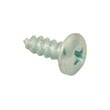
  • Commercial Laundry Appliance Screw for Kenmore 11066712690 - Part WPW10139210

    Top and console diagram

    Screw

    Part #3390646

    Replaced by #WPW10139210

    Info Icon
    Manufacturer substitution
    This part replaces 3390646. Substitute parts can look different from the original.
    This item is not returnable
    In Stock
    $4.91
    17% OFF Phone Price : $5.91Info Icon
    Minus Item
    Qty
    Plus Item
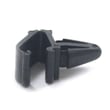
  • Dryer Wire Harness Retainer for Kenmore 11066712690 - Part WP3394427

    Top and console diagram

    Clip

    Part #3394427

    Replaced by #WP3394427

    Info Icon
    Manufacturer substitution
    This part replaces 3394427. Substitute parts can look different from the original.
    This item is not returnable
    In Stock
    $7.67
    12% OFF Phone Price : $8.67Info Icon
    Minus Item
    Qty
    Plus Item
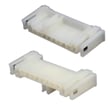
  • Dryer Motor Wire Harness Connector for Kenmore 11066712690 - Part 3395683

    Top and console diagram

    Dryer Motor Wire Harness Connector

    In Stock
    $33.07
    19% OFF Was : $40.77Info Icon
    Minus Item
    Qty
    Plus Item
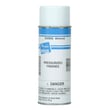
  • Appliance Spray Paint (almond) for Kenmore 11066712690 - Part 350956

    #NI

    All parts diagram

    Appliance Spray Paint (almond)

    Part #350956
    This item is not returnable
    In Stock
    $31.02
    16% OFF Phone Price : $37.02Info Icon
    Minus Item
    Qty
    Plus Item
  • Danby Appliance Touch-up Paint, 0.6-oz (white) for Kenmore 11066712690 - Part 72017

    #NI

    All parts diagram

    Danby Appliance Touch-up Paint, 0.6-oz (white)

    In Stock
    $8.46
    11% OFF Phone Price : $9.46Info Icon
    Minus Item
    Qty
    Plus Item
  • Appliance Spray Paint (gray Primer) for Kenmore 11066712690 - Part 350938

    #NI

    All parts diagram

    Appliance Spray Paint (gray Primer)

    In Stock
    $52.57
    10% OFF Phone Price : $58.57Info Icon
    Minus Item
    Qty
    Plus Item
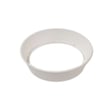
  • Dryer Lint Chute Shield for Kenmore 11066712690 - Part W11233063

    Bulkhead diagram

    Shield

    Part #696302

    Replaced by #W11233063

    Info Icon
    Manufacturer substitution
    This part replaces 696302. Substitute parts can look different from the original.
    This item is not returnable
    In Stock
    $22.33
    21% OFF Phone Price : $28.33Info Icon
    Minus Item
    Qty
    Plus Item
  • Whirlpool Appliance Screw for Kenmore 11066712690 - Part WP488729

    Top and console diagram

    Screw

    Part #3390647

    Replaced by #WP488729

    Info Icon
    Manufacturer substitution
    This part replaces 3390647. Substitute parts can look different from the original.
    This item is not returnable
    In Stock
    $4.93
    17% OFF Phone Price : $5.93Info Icon
    Minus Item
    Qty
    Plus Item

Kenmore Electric Dryer 11066712690 FAQs

A bad (blown) thermal fuse in your Kenmore 11066712690 dryer will read no continuity when you test it with a multimeter. If the fuse is blown, the dryer often will not run or will stop heating; fix the airflow problem before installing a new fuse.

How to test the thermal fuse (quick, accurate check)
  • Unplug the dryer (or turn off the breaker) before opening any panels.
  • Access the fuse (commonly on the blower housing or exhaust duct area).
  • Pull at least one wire off the fuse terminal so you do not backfeed the circuit.
  • Set your meter to continuity (beep) or ohms.
  • Touch a probe to each terminal:
    • Good fuse: meter beeps or shows near 0 Ω
    • Bad fuse: meter shows OL/infinite or no beep

For panel removal and safety steps, follow the 11066712690 owner's manual.

What usually causes a thermal fuse to blow

Restricted airflow is the most common reason. Your manual calls out restricted air movement and lint buildup as common dryer performance problems, and it also recommends periodic internal lint removal by a qualified person.

Check these airflow trouble spots:

  • Lint screen clogged
  • Exhaust duct crushed, kinked, or packed with lint
  • Outside vent hood blocked
  • Lint buildup inside the cabinet (especially near the blower area)
What to do after you find a blown fuse

Replace the failed safety part and correct the overheating cause.

What you find What it means What to do next
Fuse tests good Fuse is not the issue Continue diagnosis (door switch, timer, motor, heat circuit)
Fuse tests bad Overheat event opened the fuse Clean/repair venting, then replace the failed safety part

If your dryer also has overheating or no-heat symptoms, the cut-off kit 279816 is a common related safety kit used in the heating circuit on this model.

Why it matters

The thermal fuse is a one-time safety device. If you replace it without fixing the vent restriction, the dryer can overheat again, leading to repeat failures and longer dry times.

Last updated: February 2026

Yes, it’s usually worth replacing the heating element on your Kenmore electric dryer model 11066712690 when the dryer still tumbles normally and the rest of the machine is in good shape. A new element often restores heat and extends the dryer’s usable life for far less than replacing the entire dryer.

When replacement makes sense

Replacing the heating element is a strong choice when you see heat-related symptoms but the dryer otherwise runs normally.

  • Dryer tumbles but clothes stay cold or take much longer to dry
  • You do not feel heat in the drum after a few minutes of running a heated cycle
  • The dryer is in decent overall condition (drum turns smoothly, controls work, door closes)
  • You want a repair that’s typically straightforward for an electric dryer

A common replacement for this model is the element 279838.

Check these first (often the real cause)

Before replacing parts, we recommend ruling out airflow and safety cutoffs. The owner’s manual emphasizes lint and exhaust maintenance, and restricted airflow can cause no-heat symptoms and repeated part failures.

  • Clean the lint screen before or after each load
  • Confirm the exhaust duct is not crushed, kinked, or packed with lint
  • Clean accumulated lint inside the cabinet periodically (the manual recommends every 2 to 3 years, more often with heavy use)
  • If the dryer is newly installed or recently moved, verify it is level and vented correctly

For model-specific care and operating guidance, use the owner's manual.

Parts that are commonly replaced with (or instead of) the element

If the element failed due to overheating or poor airflow, replacing related safety parts at the same time can prevent repeat failures.

Symptom Common related part to check Example part on this model
No heat, element tests open Heating element Element 279838
No heat after overheating event Thermal cut-off kit Cut-off kit 279816
Heat cycles off too soon High-limit thermostat Dryer high-limit thermostat WP3390291
Why it matters

A heating element can fail because of normal wear, but restricted venting and lint buildup can overheat the heater housing and trip safety devices. Fixing airflow issues along with the repair helps the dryer heat safely and dry efficiently.

Last updated: February 2026

On Kenmore electric dryer model 11066712690, temperature problems that feel like a “bad thermistor” are most often caused by airflow restrictions or a failed thermostat or thermal cut-off in the heating circuit. We confirm the pattern (no heat, overheating, or long dry times), then test the heat-control components.

What you will notice when temperature control is failing

These symptoms usually repeat across multiple loads:

  • No heat at all, but the drum tumbles normally
  • Weak heat; clothes stay damp and cycles run long
  • Overheating; clothes feel excessively hot or cycles shut down early
  • Heat that cycles on and off too quickly (temperature swings)
  • Burning smell during operation (stop the cycle and check airflow)
Quick checks that rule out the most common cause (airflow)

Restricted venting makes the dryer run hot, trip safety devices, or dry very slowly.

  • Clean the lint screen before every load
  • Check the vent hose for kinks, crushing, or heavy lint buildup
  • Verify the outside vent hood opens fully while the dryer runs
  • Make sure the lint chute and blower area are not packed with lint
  • Run a timed heat cycle; after about 5 minutes, open the door carefully and feel for heat
What to test next on this model

If airflow is good, focus on the heating circuit parts commonly used on this Kenmore design.

Symptom Most likely direction Parts from this model page that often apply
No heat Open heating circuit Element 279838, cut-off kit 279816
Overheats or trips off High-limit control issue or airflow Dryer high-limit thermostat WP3390291
Long dry times with some heat Airflow first, then heat cycling Venting, blower wheel, thermostat checks
Why it matters

Accurate temperature control protects fabrics and prevents repeated thermal cut-off failures. Fixing airflow and the correct heat-control part restores normal cycle times and helps protect the heating element.

For safe access and disassembly guidance, follow the steps in the 11066712690 owner's manual.

Last updated: February 2026

Most common symptoms to help you fix your dryers

Choose a symptom to see related dryer repairs.

Main causes: bad gas valve coils, broken heating element, tripped safety thermostat or fuse, bad operating thermostat, c…

Main causes: clogged exhaust system, heating system failure, deposits on moisture sensor, control system failure…

Main causes: clogged exhaust vent, bad motor relay, loose dryer door catch, bad door switch, control system failure, fau…

Main causes: door switch failure, lack of power, broken belt, blown thermal fuse, bad drive motor, control system failur…

Main causes: damaged door strike, worn door catch…

Main causes: lack of electrical power, bad power cord, wiring failure, bad control board, blown thermal fuse, bad door s…

Main causes: bad timer or electronic control board, door switch failure…

Main causes: bad drum support roller, damaged idler pulley, broken blower fan blade, worn drum glide bearing, bad drive …

Most common repair guides to help fix your dryers

These step-by-step repair guides will help you safely fix what’s broken on your dryer.

How to replace an electronic control board in an electric dryer

How to replace an electronic control board in an electric dryer

The electronic control board manages the components and controls the cycle times in your electric dryer. Follow these st…

Repair time and Difficulty

 45 minutes or less
How to replace an igniter in a gas dryer

How to replace an igniter in a gas dryer

The igniter in a gas dryer glows white hot during the to light the gas that heats the air in the dryer. If the dryer air…

Repair time and Difficulty

 60 minutes or less
How to replace a dryer thermistor

How to replace a dryer thermistor

The thermistor senses the air temperature in the dryer. If your dryer overheats or doesn't heat at all, the thermistor …

Repair time and Difficulty

 30 minutes or less

Effective articles & videos to help repair your dryers

Use the advice and tips in these articles and videos to get the most out of your dryer.

How to use your clothes dryer efficiently

How to use your clothes dryer efficiently

Get expert tips on using your dryer efficiently to save energy.…

Are DIY appliance repairs safe?

Are DIY appliance repairs safe?

Find out how to stay safe when repairing your appliances.…

Keeping your smart appliances secure from hackers

Keeping your smart appliances secure from hackers

Find out how to protect your smart appliances from malevolent invasions by hackers.…

Parts & More

Bottom-Mount Refrigerator
Dishwasher
Electric Range
Gas Walk-Behind Mower
Lawn & Garden Engine
Lawn Sprinkler
Lcd Television
Microwave
Microwave/Hood Combo
Miter Saw
Parts
Riding Mowers & Tractors
Side-By-Side Refrigerator
Weight Machine
Workbench