Installation guide
 Owner’s manual



What is the average lifespan of a Frigidaire dishwasher?
A Frigidaire dishwasher typically lasts 10 years. To help your Frigidaire PLD2855RFC3 reach that lifespan (or longer), we recommend consistent cleaning, correct detergent use, and keeping key wash and drain components (like the filter, spray arms, and door seals) in good condition.
What affects dishwasher lifespan most
- Water quality and temperature: Hard water and cooler-than-recommended incoming water reduce cleaning performance and increase buildup.
- How often you run it: Multiple loads per day wear the pump, motor, and heater faster than light weekly use.
- Maintenance habits: Regular filter cleaning and checking for clogs prevents strain on the drain system.
- Loading and detergent use: Overloading and excess detergent can cause poor wash results and residue.
- Small leaks: Even minor door or gasket leaks can lead to corrosion and premature failures.
Maintenance checklist for PLD2855RFC3
Use the care and cleaning guidance in the PLD2855RFC3 owner’s manual and follow these practical steps:
- Clean the filter area regularly; remove trapped food and debris.
- Inspect and clear spray arm holes; replace a damaged upper arm if needed.
- Keep the tub gasket and door sealing surfaces clean.
- Run hot water at the sink before starting; this model is designed for best results with 120°F incoming water.
- Use rinse aid correctly to improve drying and reduce spotting.
Parts that commonly impact performance as the unit ages
If cleaning and setup do not restore results, these model-matched parts are common wear items:
| Symptom | Common area to check | Example model-matched part |
|---|---|---|
| Leaks at the bottom of the door | Door sealing | Dishwasher door seal 809006501 |
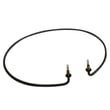
| Poor drying or cool water | Heating circuit | Heater 154825001 |
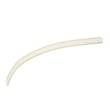
| Standing water after cycle | Drain path | Hose 807117001 |
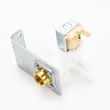
| Not filling or fills slowly | Water supply | Dishwasher water inlet valve 154637401 |
Why it matters
A dishwasher near end-of-life often shows up as longer cycles, weaker cleaning, and intermittent draining or filling. Staying ahead of buildup and small leaks helps protect high-cost components like the pump motor and sump.
Last updated: February 2026
Can I replace dishwasher parts myself?
Yes. For the Frigidaire PLD2855RFC3 dishwasher, many common repairs are DIY-friendly if you shut off power and water first and follow the step-by-step procedures in the PLD2855RFC3 installation guide. Simple mechanical parts (seals, filters, rollers) are usually the easiest.
Good DIY repairs vs. better left to a pro
Many owners can handle basic access-and-replace jobs; electrical testing and leak diagnosis take more skill.
| Repair type | Typical difficulty | Common examples |
|---|---|---|
| Basic mechanical | Easy | Door seal, rack rollers, filter cleaning |
| Water flow parts | Medium | Drain hose, inlet valve, drain pump |
| Electrical/controls | Hard | Wiring in junction box, control issues |
DIY checklist (do these every time)
- Turn off power at the breaker (electric shock hazard).
- Shut off the water supply valve.
- Protect hands from sharp metal edges; wear gloves.
- Confirm the dishwasher is level and securely fastened before running it.
- Check water and drain lines for kinks and verify joints are leak-free.
- After reassembly, open and close the door to ensure it clears the cabinet/countertop.
Parts that are commonly replaced at home on this model
These are typical “remove and replace” items when you have a leak, poor cleaning, or rack issues:
- Dishwasher door seal 809006501 (helps stop leaks at the door)
- Dishwasher filter 5304532206 (helps prevent debris from recirculating)
- Dishwasher dishrack roller, lower 5304532229 (restores smooth rack movement)
- Dishwasher water inlet valve 154637401 (addresses fill problems)
Why it matters
Doing the right prep steps prevents shocks, leaks, and cabinet damage. It also helps you avoid repeat repairs caused by kinks in the drain hose, loose wiring connections, or an unlevel dishwasher.
Last updated: February 2026
What is the most common problem with a Frigidaire dishwasher?
The most common problems we see on Frigidaire dishwashers like model PLD2855RFC3 are wash performance issues (food left on dishes) and drain-related complaints. In many cases, the root cause is simple: blocked spray-arm rotation from loading, a dirty filter area, or a kinked drain hose; the PLD2855RFC3 owner’s manual troubleshooting section walks through these checks.
Most common symptoms and what usually causes them
- Food soils left on dishes: items blocking spray arms, poor loading (nesting), low water temperature, or low water pressure.
- Won’t run: door not fully closed and latched, delay start selected, tripped breaker or blown fuse.
- Not draining: disposer knockout plug not removed, disposer not empty, kinked drain hose, cycle paused.
- Leaks: door seal wear, tub not level, loose hose connections.
- Long cycle times: water-heating delay, sanitize option, delay start.
Quick checks we recommend first (fast, no parts)
- Confirm the door closes and latches firmly; then cancel delay start if it is set.
- Make sure nothing blocks spray-arm rotation (especially tall pans and utensils).
- Verify hot water is reaching the dishwasher; this model’s guidance calls for at least 120°F incoming water.
- If it will not drain, check for a kinked drain hose and confirm the disposer inlet knockout plug is removed.
- If you see water left in the bottom after a completed cycle, treat it as a drain problem and troubleshoot the drain path.
When a part is the likely fix
If the basic checks do not resolve the issue, these parts commonly relate to the symptoms above:
| Symptom | Common part to inspect | Example part for PLD2855RFC3 |
|---|---|---|
| Leaking at the door | Door seal | Dishwasher door seal 809006501 |
| Not filling or fills slowly | Water inlet valve | Dishwasher water inlet valve 154637401 |
| Not draining | Drain pump or drain hose | Dishwasher drain pump 154580301 or hose 807117001 |
| Poor drying or long heat delays | Heater | Heater 154825001 |
Why it matters
Most “common problems” are really flow problems: water must fill, spray, heat, and drain correctly. A small restriction (loading, temperature, hose kink) can look like a major failure, so the quick checks save time and prevent unnecessary part replacement.
Last updated: February 2026
What are the commonly replaced parts in a dishwasher?
In a Frigidaire dishwasher like model PLD2855RFC3, the most commonly replaced parts are the ones that control water flow, heating, sealing, and spraying. When you see leaks, poor cleaning, no heat, or draining issues, these wear items are the first places we check using the PLD2855RFC3 owner’s manual.
Most commonly replaced dishwasher parts
These parts fail most often because of normal wear, mineral buildup, clogs, or repeated door use:
- Door seals and gaskets: stop leaks around the door and tub opening
- Water inlet valve: controls filling; problems show up as not filling or underfilling
- Heating element: helps heat water and improve drying performance
- Spray arms and filters: affect cleaning; blockages stop spray arms from rotating
- Drain components (drain hose, drain pump): affect draining and can cause standing water
- Float and float switch: prevent overfilling; sticking can stop filling
Quick symptom-to-part guide (PLD2855RFC3)
| Symptom | Most likely parts to inspect first | Example part for this model |
|---|---|---|
| Water leaking at the door | Door seal, tub gasket area | Dishwasher door seal 809006501 |
| Not filling or fills slowly | Water inlet valve, float/overfill protector | Dishwasher water inlet valve 154637401 |
| Not drying or water not heating | Heating element | Heater 154825001 |
| Not cleaning well | Filter, spray arm, loading issues | Dishwasher filter 5304532206 |
| Not draining | Drain hose, drain pump | Hose 807117001 |
Why it matters
Your PLD2855RFC3 cleans by pumping water through the filter and spray arms, then draining and refilling as the cycle progresses. When a seal leaks, a valve underfills, or a spray arm clogs, the whole wash system loses pressure and performance.
What we recommend before replacing parts
These checks prevent unnecessary part swaps and match what the manual emphasizes about performance factors:
- Confirm hot water is at least 120°F (49°C) at the sink before starting a cycle
- Make sure items are not blocking spray arms from rotating
- Clean out the glass trap area and remove debris that can restrict flow
- Verify home water pressure is in the typical dishwasher range (20 to 120 psi)
- Check the overfill protector (float) moves freely up and down
Last updated: February 2026