Owner’s manual
 Error Codes




What are the disadvantages of a bottom freezer?
A bottom-freezer design (like the Maytag MFF2055FRZ00) puts fresh food at eye level, but the tradeoffs are more bending for frozen items, less convenient access to bulky freezer goods, and sometimes more frost or drawer-fit issues if the door is opened often. See the MFF2055FRZ00 owner’s manual for model-specific use and storage guidance.
Common disadvantages you may notice
- You often have to bend or squat to reach frozen foods, especially items stored at the bottom of the drawer.
- Freezer drawers can hide items; food can get buried and forgotten.
- Large boxes and tall items may be harder to fit because of drawer height and bin shapes.
- If the freezer is packed, the drawer can feel heavy and may not glide smoothly.
- Frequent freezer use can let in humid air, which can increase frost and sticking over time.
Bottom freezer vs top freezer: quick comparison
| Feature | Bottom freezer | Top freezer |
|---|---|---|
| Fresh-food access | Easier (less bending) | More bending |
| Frozen-food access | More bending | Easier |
| Organization | Drawer can bury items | Shelves are more visible |
| Bulky frozen storage | Can be tighter | Often easier |
What we recommend to reduce the downsides
- Use bins or baskets to group foods (breakfast items, meats, vegetables).
- Keep heavier items higher in the drawer when possible.
- Avoid overpacking so the drawer closes fully and seals well.
- If odors build up from stored foods, replace the refrigerator air filter W10311524 on schedule.
- If you notice moisture or frost, check that packages are not blocking the door from closing.
Why it matters
Most “bottom freezer problems” are really access and organization issues. Setting up the freezer so you can see and reach items quickly helps reduce door-open time, improves temperature stability, and can cut down on frost and food waste.
Last updated: January 2026
What is the life expectancy of a bottom freezer refrigerator?
A bottom-freezer refrigerator like the Maytag MFF2055FRZ00 typically lasts 15 to 20 years with normal household use. Keeping airflow clear, maintaining door seals, and staying on top of filter changes helps you reach the upper end of that range.
Typical lifespan and what affects it
Most bottom-mount (bottom-freezer) refrigerators run longer when the sealed system stays healthy and the unit can breathe.
- Maintenance habits (cleaning, filter changes, defrost care)
- Condenser airflow (dust buildup and tight cabinetry raise run time)
- Door seal condition (warm air leaks force longer compressor cycles)
- Water and ice maker use (more components, more wear)
- Power quality (surges can damage controls)
Quick expectations by refrigerator style
| Refrigerator type | Typical life expectancy | Notes |
|---|---|---|
| Top-freezer | 10 to 15 years | Simplest design, fewer components |
| Bottom-freezer | 15 to 20 years | Often efficient, but more features vary |
| Side-by-side | 15 to 20 years | More doors and dispensing features can add wear |
Maintenance that helps you get 15 to 20 years
These steps reduce compressor run time and prevent common cooling complaints.
- Vacuum dust from the condenser area and keep vents unobstructed
- Confirm doors close fully and the cabinet is level
- Replace the air filter on schedule (odor control helps overall performance)
- Keep freezer drawers and slide rails moving smoothly and not overloaded
- Follow cleaning and temperature recommendations in the MFF2055FRZ00 owner's manual
Why it matters
A refrigerator that runs hot or leaks air can cycle longer, which accelerates wear on the compressor, evaporator fan motor, and electronic controls. Small maintenance steps often prevent the “not cooling enough” problems that lead to early replacement.
Last updated: January 2026
What is the most common problem with Maytag refrigerators?
The most common Maytag refrigerator problems are cooling complaints (refrigerator not cold enough, temperature swings, running constantly) and ice maker issues. On the Maytag MFF2055FRZ00, these symptoms are most often tied to airflow and maintenance items like dirty condenser coils, a weak evaporator fan, or restricted water flow to the ice maker. See the MFF2055FRZ00 owner's manual for model-specific operating and care details.
Most common issues we see (and what to check first)
- Dirty condenser coils: Causes poor cooling and long run times.
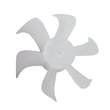
- Evaporator fan problem: Warm fridge section, weak airflow, or unusual fan noise.
- Door not sealing: Frost buildup, moisture, and temperature instability.
- Ice maker not making ice: Often water supply, filter restriction, or valve issues.
- Airflow restriction inside: Overpacked shelves can block vents and reduce cooling.
Quick troubleshooting checklist (10 to 20 minutes)
- Confirm controls are set near 37°F fresh food and 0°F freezer.
- Clean condenser coils and verify the condenser fan area is clear.
- Check door gaskets for gaps, tears, or areas that do not grip paper.
- Listen for the evaporator fan when the compressor is running.
- If ice is slow or hollow, verify household water supply is fully open.
Common symptoms and likely causes
| Symptom | Most likely cause | Part that often relates |
|---|---|---|
| Fridge warm, freezer OK | Airflow/damper or evaporator fan issue | Refrigerator electronic damper W11087463 or refrigerator evaporator motor WPW10464673 |
| Runs constantly | Dirty coils, door seal leak, warm room, frequent openings | Door gasket (inspect) |
| Ice maker not working | Water supply restriction or valve issue | Refrigerator inlet valve WPW10279909 or refrigerator ice maker assembly 4317943 |
| Bad odors | Food spills, old filter, poor circulation | Refrigerator air filter W10311524 |
Why it matters
Cooling and ice maker problems usually get worse over time. Catching airflow issues early helps protect food, reduces energy use, and can prevent strain on major components like the compressor.
Last updated: January 2026