Owner’s manual
 Error Codes



Do you remove cardboard from the bottom of a Whirlpool refrigerator?
No. On Whirlpool refrigerator model GX5FHDXVY00, the cardboard-like bottom/rear cover is part of the unit’s design and should stay in place because it helps protect and direct airflow around the lower components.
What you should remove (and what to leave)
Remove only packaging materials used for shipping and setup; leave any installed covers or panels.
- Remove tape, foam blocks, and protective film from doors and shelves
- Remove any cardboard spacers used only for shipping (loose pieces)
- Leave the installed bottom/rear cover in place (even if it looks like cardboard)
- Leave access panels and toe grilles installed unless you are servicing the refrigerator
- Dispose of or recycle removed packaging
For model-specific unpacking and cleaning steps, follow the owner's manual.
Why that “cardboard” panel matters
That panel is commonly used as an air baffle and protective shield near the compressor and condenser area. Removing it can cause problems such as:
- Reduced cooling performance from disrupted airflow
- Higher energy use
- More dust and debris reaching the condenser area
- Increased risk of damage to wiring or moving parts
Quick check: packaging vs. permanent panel
Use this simple comparison to decide what you are looking at.
| What you see | Usually means | What to do |
|---|---|---|
| Loose, unfastened cardboard/foam | Shipping packaging | Remove it |
| Panel fastened with screws/clips at the bottom rear | Airflow cover/protective panel | Leave it installed |
| Tape and glue residue on exterior surfaces | Shipping protection | Remove residue safely |
Safe handling tips before you inspect
- Unplug the refrigerator before reaching near the compressor area
- Pull the refrigerator straight out to avoid floor damage
- Do not use sharp tools or abrasive cleaners to remove tape or glue
Why it matters
Keeping the bottom/rear cover installed helps the refrigerator cool correctly and protects key components like the compressor and condenser fan area.
Last updated: February 2026
What's the average lifespan of a Whirlpool refrigerator?
Whirlpool refrigerators typically last 10 to 15 years on average, and many run closer to 20 years with good care. For your Whirlpool GX5FHDXVY00 bottom-mount refrigerator, consistent cleaning, proper airflow, and fixing small issues early are the biggest factors that extend service life.
Typical lifespan and what affects it most
- Maintenance and cleaning (condenser area, door seals, drain system)
- Ventilation around the cabinet (restricted airflow shortens compressor life)
- Door seal condition (air leaks force longer run times)
- Ice maker and water system upkeep (clogs and leaks create secondary damage)
- Usage habits (frequent door openings, warm food loads, overpacking)
Quick care checklist (best return for the effort)
- Keep the refrigerator set near 37°F and the freezer near 0°F.
- Clean dust from the condenser area regularly.
- Confirm doors close fully and the gasket seals all the way around.
- Keep vents inside the compartments unblocked.
- Address puddles, frost buildup, or unusual fan noise right away.
Common “wear items” that can shorten lifespan if ignored
| Symptom | Often related to | Why it matters |
|---|---|---|
| Warm fridge, freezer OK | Evaporator airflow issue | Poor airflow stresses the cooling system |
| Frost buildup, moisture | Door seal leak | Longer run times, temperature swings |
| Water under fridge | Drain or defrost issue | Can lead to corrosion and electrical problems |
| Loud humming/clicking | Start components or compressor strain | Repeated hard starts reduce compressor life |
If you’re troubleshooting cooling or noise concerns, our owner's manual is the best place to match symptoms to checks and settings.
Why it matters
A refrigerator’s most expensive components (like the sealed system and compressor) last longest when the unit can cool efficiently. Simple steps like keeping airflow clear and maintaining a tight door seal reduce run time and wear.
Last updated: February 2026
What is the most common problem with Whirlpool refrigerators?
The most common Whirlpool refrigerator problem is a cooling complaint: the fresh food section is too warm, the freezer is too warm, or temperatures swing. On the Whirlpool GX5FHDXVY00, we see this most often tied to airflow issues (fans, frost buildup) or maintenance items like dirty condenser coils. Refer to the owner's manual troubleshooting section for model-specific checks.
Most common symptoms we see
- Refrigerator not cooling enough (food spoils, milk warms)
- Freezer not freezing hard (soft ice cream, frost buildup)
- Refrigerator runs constantly or seems to run “too much”
- Unusual noises (buzzing, pulsating, hissing, sizzling)
- Ice maker not making ice or making small/hollow cubes
Quick checks that fix many “not cooling” calls
- Confirm controls are on and set correctly (a bumped control is common).
- Give it time after a power outage or move; many units need about 24 hours to stabilize.
- Clean condenser coils (restricted airflow makes the compressor run longer and cool worse).
- Check door sealing; a leaking gasket pulls in warm, moist air and can cause frost and warm temps.
- Listen for the evaporator fan; if airflow is weak, cooling suffers.
Parts that commonly relate to these problems (when a repair is needed)
| Problem area | What you may notice | Example part for GX5FHDXVY00 |
|---|---|---|
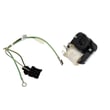
| Evaporator airflow | Warm fridge, uneven temps, little air from vents | Refrigerator evaporator motor W11024089 |
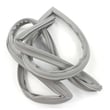
| Door sealing | Moisture, frost, warm temps near door | Refrigerator gasket panel W10443320 |
| Defrost system | Frost blanket on back wall, warming over time | Refrigerator defrost heater WP67002493 |
Why it matters
Cooling problems are usually progressive: a small airflow restriction or door leak can turn into constant running, temperature swings, and food spoilage. Catching it early often prevents bigger repairs.
Helpful DIY reference
If your unit is showing a code or you suspect a sensor/control issue, use our Whirlpool refrigerator error codes guide to narrow the next step.
Last updated: February 2026