Installation guide
 Owner’s manual
 Error Codes

What is the capacity of the Maytag mvwb835dw4?
The Maytag MVWB835DW4 washer has a 5.3 cu. ft. capacity, which is considered a large-capacity top-load design for handling bulky loads like bedding and towels. For cycle and loading guidance specific to this model, use the MVWB835DW4 use & care manual.
What that capacity means in everyday use
A 5.3 cu. ft. Maytag top-load washer like the MVWB835DW4 is typically sized to handle:
- King or queen bedding loads (use the Bedding cycle when available)
- Large mixed loads of everyday laundry
- Heavier items like towels and jeans (balanced evenly around the washplate)
- Fewer total loads per week compared with smaller-capacity washers
Loading tips for best performance (important on low-water HE washers)
This model uses a low-water washplate system, so proper loading matters as much as capacity.
- Load items in loose heaps, evenly around the washplate
- Do not pack items down; tight packing reduces cleaning and rinsing
- Mix item sizes to reduce tangling and improve balance
- Avoid adding extra water; it can reduce cleaning performance
- If the load goes off-balance, redistribute and restart the cycle
Quick reference table
| Spec | MVWB835DW4 value | Why it matters |
|---|---|---|
| Washer capacity | 5.3 cu. ft. | Helps estimate load size and cycle choice |
| Washer type | Top-load, HE low-water | Needs HE detergent and proper loading |
Why it matters
Knowing the MVWB835DW4 capacity helps you avoid overloading (poor cleaning, vibration, longer cycle times) and underloading (wasted water and energy). It also helps you choose the right cycle, especially for bulky items.
Last updated: January 2026
What is the life expectancy of a Maytag washing machine?
For Maytag washer model MVWB835DW4, Maytag does not publish a specific “life expectancy” in the product documentation, so we can’t confirm an exact number of years for this model. In practice, lifespan varies most with installation, load habits, and routine maintenance; see the care guidance in the MVWB835DW4 use & care manual.
What we can confirm for MVWB835DW4
The MVWB835DW4 manual focuses on maintenance actions that help the washer run reliably over time, including detergent use, cleaning routines, and hose replacement guidance.
- Use only HE (High Efficiency) detergent
- Don’t overfill or over-dose detergent (helps reduce suds and residue)
- Leave the lid open between uses to help the tub dry
- Run the washer’s cleaning routine regularly (Clean Washer cycle)
- Replace water inlet hoses on a schedule to reduce leak risk
Practical lifespan guidance (general)
Because “life expectancy” isn’t a fixed spec, we recommend thinking in terms of usage and care. Here’s a simple way to set expectations:
| Usage pattern | What to expect | What helps most |
|---|---|---|
| Light use (few loads/week) | Often lasts longer | Monthly cleaning, correct loading |
| Average household use | Varies widely | HE detergent, balanced loads |
| Heavy use (many loads/week) | More wear over time | Hose replacement, vibration control |
Maintenance habits that matter most
These are the highest-impact steps for a top-load HE Maytag like MVWB835DW4:
- Run Clean Washer about every 30 cycles (or monthly)
- Keep loads evenly distributed to reduce off-balance stress
- Inspect hoses for bulges, cracks, or leaks; replace about every 5 years
- Clean dispenser areas to prevent buildup
When repairs start to affect the “worth it” decision
If you’re seeing repeated symptoms, it can signal wear in a specific system:
- Lid won’t lock or unlock consistently (possible lid lock issue)
- Frequent off-balance shaking (possible suspension wear)
- Long fill times or inconsistent water flow (possible inlet valve issue)
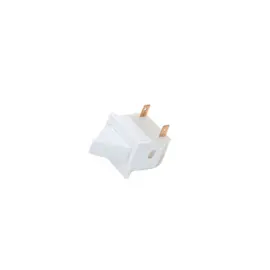
For example, a common fix for lid-locking symptoms is the washer lid lock assembly W10810403.
Why it matters
Knowing that MVWB835DW4 doesn’t have a published lifespan helps you avoid relying on a single number; maintenance and early repairs often make the biggest difference in how long the washer stays dependable.
Last updated: January 2026
What is the most common problem with Maytag washer top loader?
For the Maytag MVWB835DW4 top-load washer, one of the most common issues we see is the lid lock system acting up. When the lid can’t reliably lock or unlock, the washer may not start, may pause mid-cycle, or may not spin. See the troubleshooting section in the MVWB835DW4 use & care manual.
Most common issue: lid lock system
This model uses a lid lock as a safety interlock; if the control can’t confirm the lid is locked, it may stop the cycle or refuse to spin.
Common symptoms include:
- Washer won’t start even though power is on
- Lid Locked light flashing
- Lid won’t unlock after the cycle ends (may take a few minutes after spinning)
- Cycle pauses or stops unexpectedly
- Repeated clicking as the lock tries to engage
If these symptoms match, a compatible replacement to check is the washer lid lock assembly W10810403.
Other frequent causes (after lid lock)
If the lid lock checks out, the next most common causes are usually fill, suds, or control-related.
We typically check:
- Power supply (outlet, breaker)
- Too many suds from non-HE detergent or overdosing HE detergent
- Slow/no fill from clogged inlet screens or low water pressure
- Control problems (unresponsive buttons, erratic behavior)
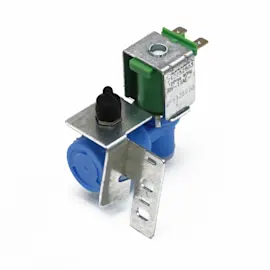
If you’re troubleshooting fill problems, a common related part is the washer water inlet valve W11165546.
Quick triage checklist
| What you observe | What it often points to | What to do next |
|---|---|---|
| Won’t start, Lid Locked light flashing | Lid not locking | Confirm lid closes fully; inspect lid lock |
| Stops and drains after lid left open | Lid opened too long | Close lid; restart cycle |
| Long fill or no fill | Water supply or inlet valve | Check faucets, hoses, inlet screens |
| Random stopping or dead controls | Control issue | Power reset; then diagnostics |
Why it matters
On MVWB835DW4, the lid lock protects you during high-speed spin. Fixing the root cause helps prevent repeat interruptions, wet loads, and off-balance events.
Last updated: January 2026