Owner’s manual
 Error Codes


What size is GSL25JFPDBS?
The GE GSL25JFPDBS side-by-side refrigerator is a full-size, 36-inch-class unit. Most GE side-by-sides in this series measure about 69 3/4 in. tall, 35 3/4 in. wide, and 33 5/8 in. deep (depth can be greater with handles). For exact specs, use the GSL25JFPDBS owner’s manual.
How to measure your refrigerator the right way
Measure with a tape measure and record in inches; this avoids surprises with door swing and installation clearance.
- Height: floor to top of hinge cover (level the unit first)
- Width: widest point of the cabinet (not just the doors)
- Depth (cabinet only): back to front of doors (no handles)
- Depth (with handles): back to front of handles
- Depth (doors open): needed for drawer access and door swing
Typical size breakdown (what each number means)
| Measurement | What it includes | What to watch for |
|---|---|---|
| Height | Floor to top | Flooring thickness, leveling legs |
| Width | Cabinet/doors | Trim kits, wall clearance |
| Depth | Cabinet or with handles | Counter depth fit, handle projection |
Installation clearance tips that prevent fit problems
- Leave space behind the refrigerator for the water line and airflow.
- Plan extra room on the hinge side so doors open wide enough to remove bins.
- If you have an ice maker and dispenser, confirm your home water pressure is in the correct range; models with a water filter typically need higher minimum pressure.
- If the refrigerator will be moved out for service, keep enough slack in the water line.
Why it matters
Correct dimensions help prevent door interference, poor ventilation (which can hurt cooling performance), and kinked water tubing that can reduce ice and water flow.
Last updated: February 2026
What is the average lifespan of a GE refrigerator?
Most GE refrigerators average about 10 to 15 years of service life. For your GE GSL25JFPDBS side-by-side, lifespan depends most on steady temperatures, clean airflow (condenser area), and good door sealing; those basics reduce compressor run time and wear.
Typical lifespan ranges (what we see most often)
- 10 to 15 years is the common range for many GE refrigerators.
- Units that get regular cleaning and stable ventilation often reach the upper end of that range.
- Heavy use (frequent door openings, warm garage installs, clogged condenser area) shortens life.
| Condition | What it usually does to lifespan | What to do |
|---|---|---|
| Clean condenser area, good airflow | Helps the compressor run less | Vacuum and brush dust regularly |
| Door gasket seals tightly | Prevents long run times and frost issues | Check for gaps and warm air leaks |
| Stable temps (37°F fresh food, 0°F freezer) | Reduces cycling stress | Adjust controls and avoid overloading |
| Poor airflow or dirty coils | Increases heat load and run time | Clean and keep clearance around unit |
Maintenance that most improves longevity
- Clean dust from the condenser area and fan intake/exhaust
- Keep doors closed as much as possible; avoid “standing with the door open” loading
- Confirm the refrigerator is level so doors self-close
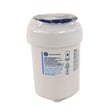
- Replace the water filter on schedule to protect water flow and ice maker performance (use the refrigerator water filter MWFP)
- Follow the care and cleaning guidance in the GSL25JFPDBS owner’s manual
Why it matters
A refrigerator that runs longer and more often (because of warm air leaks, dirty condenser airflow, or frequent door openings) puts extra load on the sealed system and compressor. Reducing run time is the simplest way to extend service life.
Last updated: February 2026
Are GE side by side refrigerators good?
GE side-by-side refrigerators, including model GSL25JFPDBS, are a solid choice for everyday family use because they typically balance storage space, convenient door dispensers, and reliable temperature control. Like most side-by-sides, the main tradeoffs are narrower shelf width and normal operating sounds from the ice maker and cooling system.
What “good” usually means for this GE side-by-side
We judge a refrigerator by how well it holds safe temperatures, how usable the storage is, and how serviceable common wear items are.
- Consistent cooling: Modern refrigerators cycle on and off frequently to maintain even temperatures.
- Convenient features: Side-by-sides commonly include an ice maker and water dispenser.
- Organized storage: Adjustable shelves, bins, and crisper/meat pans make day-to-day use easier.
- Normal sound profile: Some vibration, fan noise, and ice maker sounds are expected.
- Serviceability: Common maintenance items (like filters and bulbs) are straightforward to replace.
Common pros and cons (side-by-side layout)
| What you get | Why it helps | Common downside |
|---|---|---|
| Freezer and fresh food at eye level | Less bending, easy access | Narrower compartments than a top-freezer |
| Door ice and water | Fast access to ice and chilled water | More moving parts than a non-dispenser model |
| Adjustable shelving | Better organization | Wide pizza boxes and platters can be tight |
If you’re deciding based on features you will actually notice
These are the items that most often affect satisfaction over time:
- Water taste and flow: Replace the filter on schedule; a clogged filter can slow dispensing. Consider the refrigerator water filter MWFP.
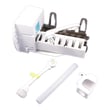
- Ice production: If ice is slow or inconsistent, the ice maker assembly can be a factor; see the refrigerator ice maker WR30X10093.
- Interior visibility: Good lighting matters; the refrigerator light bulb 40A15 is a common maintenance part.
- Temperature stability: If temps swing, a sensor can be involved; the refrigerator temperature sensor WR55X10025 is one example.
Why it matters
A “good” refrigerator is one that keeps food safely cold with minimal fuss. For side-by-side models, staying on top of basic maintenance (especially the water filter) helps protect dispenser performance and reduces nuisance issues.
For model-specific operating tips, maintenance intervals, and troubleshooting guidance, use the GSL25JFPDBS owner’s manual.
Last updated: February 2026
What is the most common problem with a GE refrigerator?
In GE side-by-side refrigerators like model GSL25JFPDBS, the most common complaint we see is inadequate cooling (fresh food or freezer too warm). The usual causes are restricted airflow, dirty condenser coils, or a failed fan or defrost component; start with the basic airflow and temperature-control checks in the GSL25JFPDBS owner's manual.
Quick checks that fix many cooling complaints
- Confirm the refrigerator is fully plugged in and the breaker is not tripped.
- Make sure the temperature controls are not set too warm; adjust one step colder and allow time to stabilize.
- Check for a door left ajar or packages holding the door open.
- Avoid overpacking; blocked vents prevent cold air from circulating.
- Allow about 24 hours for temperatures to fully recover after major changes (loading food, power loss, control changes).
Common causes and what to look for
| Symptom | Most likely area | What you may notice |
|---|---|---|
| Both sections warm | Airflow or sealed system | Fan noise changes, long run times |
| Freezer cold, fridge warm | Air damper or airflow blockage | Freezer OK, fresh food warm |
| Frost buildup, warming over time | Defrost system | Frost on back wall, reduced airflow |
| Warm plus weak water/ice issues | Water supply or filter restriction | Slow dispenser flow, hollow cubes |
Parts that often solve “not cooling” related issues
If basic checks do not help, these model-matched parts are common fixes depending on symptoms:
- Refrigerator temperature sensor WR55X10025 (bad readings can cause poor temperature control)
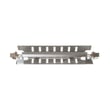
- Refrigerator defrost heater WR51X10055 (failed heater can lead to frost buildup and warm temps)
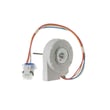
- Refrigerator condenser motor WR60X10220 (poor heat removal can reduce cooling performance)
Why it matters
Cooling problems can spoil food and force the compressor to run longer than normal. Simple issues like airflow blockage or control settings are fast to correct; component failures (fan, sensor, defrost) usually show up as persistent warming or recurring frost.
Last updated: February 2026