

Is it worth repairing a Kenmore washing machine?
Yes, it’s usually worth repairing a Kenmore washer, especially a proven direct-drive model like Kenmore 11082872100, when the fix is a common wear part and the machine is otherwise in good shape. Repairs such as a coupling, water pump, or lid switch typically restore reliable washing for far less than replacing the washer.
A practical “repair vs replace” checklist
We recommend repairing when most of these are true:
- The washer fills, drains, and powers on normally (no burning smell or repeated breaker trips).
- The problem is isolated to agitation, spinning, or draining.
- The tub is not rusted through and the cabinet is solid.
- You can complete the repair with basic tools and safe access.
- The repair targets a known wear item (coupling, pump, clutch, agitator dogs).
Common repairs that are often worth it on this model
These are frequent, high-value fixes on Kenmore 110-style top-load washers:
| Symptom | Likely part area | Example part for this model |
|---|---|---|
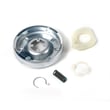
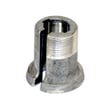
| Won’t agitate or spin, motor runs | Drive connection | Coupling 285753A |
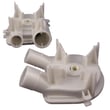
| Won’t drain or leaks at pump | Drain system | Water pump WP3363394 |
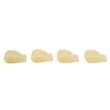
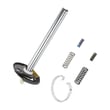
| Agitator “slips” or won’t move clothes well | Agitator mechanism | Agitator dog 80040 |
| Spins poorly, burning/rubbing smell | Spin engagement | Clutch 285785 |
| Won’t run when lid is closed | Safety interlock | Switch W10820036 |
When replacement makes more sense
Replacement is the better call when you see any of these:
- The gear case is noisy, leaking oil, or the washer is leaving metal shavings (major drivetrain wear).
- The basket drive or tub support is severely worn and the tub wobbles even after suspension checks.
- Multiple major systems are failing at once (drain, spin, and fill issues together).
- The cost of parts plus labor approaches the price of a comparable new washer.
Why it matters
A targeted repair on a dependable platform like the Kenmore 11082872100 often restores performance (agitation, spin, drain) without the learning curve and cost of a new machine. Focusing on the symptom-to-part match prevents overbuying parts and reduces repeat breakdowns.
Last updated: February 2026
What is the average lifespan of a Kenmore washer?
A Kenmore washer typically lasts 10 to 15 years. For Kenmore model 11082872100, reaching the high end of that range comes down to load size, water quality, and keeping wear items in good shape (especially the drive and drain components).
Typical lifespan and what changes it
Most top-load Kenmore washers like model 11082872100 land in this range:
| Usage pattern | Typical lifespan | What usually shortens it |
|---|---|---|
| Light (1 to 3 loads/week) | 12 to 15 years | Long periods of non-use, corrosion |
| Average (4 to 7 loads/week) | 10 to 13 years | Overloading, unbalanced loads |
| Heavy (8+ loads/week) | 7 to 10 years | Frequent strain on drive and suspension |
Maintenance that adds years
These habits reduce stress on the motor, clutch, and gearcase:
- Keep loads balanced; mix large and small items to prevent off-balance spinning.
- Avoid overfilling; tight packing strains the drive system and can cause poor agitation.
- Use the right detergent amount; excess suds can lead to longer drain times and residue.
- Check fill hoses and inlet screens periodically for sediment.
- If draining slows, inspect the pump area and hoses for lint, coins, or small socks.
Parts that commonly affect longevity
When performance drops, these model-compatible parts are often involved:
- Coupling 285753A (drive connection between motor and transmission)
- Water pump WP3363394 (drain performance; clogs and wear can cause no-drain issues)
- Clutch 285785 (spin engagement; wear can cause slow or weak spin)
- Washer suspension spring WP63907 (tub support; wear can increase vibration)
Why it matters
A washer near the end of its lifespan often shows early warning signs (longer cycles, weak spin, louder operation). Catching those symptoms early can prevent secondary damage to the basket drive, gearcase, or motor.
Last updated: February 2026
How to identify a Kenmore washer model?
To identify your Kenmore washer model, we look for the model/serial tag on the machine and match the full model number exactly (for example, 11082872100). On Kenmore washers, the tag is usually under the lid (top-load) or around the door opening (front-load), and using the exact number ensures you get the correct parts.
Where to find the model number tag
Check these common locations first:
- Top-load washers: under the lid, along the rim of the tub opening
- Front-load washers: on the door opening frame, or on the inside of the door
- All styles: on the back panel near the power cord, or behind/near the control console
- Sometimes: inside the cabinet (visible after removing the control console end caps)
What the model number looks like (and what to write down)
Kenmore model numbers often start with 110 and can be 10 to 12+ characters. Record the model number exactly as printed, including any extra digits.
| What to capture | Example | Why it matters |
|---|---|---|
| Model number | 11082872100 | Matches the correct parts list |
| Serial number | (varies) | Helps date the unit and confirm production run |
| Type/series prefix | 110 | Identifies the manufacturer family used by Kenmore |
Quick checks if the tag is hard to read
- Wipe the label with a damp cloth and mild soap; dry it fully
- Use a flashlight at an angle to make faint printing easier to see
- Take a close-up photo and zoom in
- Copy characters carefully (0 vs O, 1 vs I)
Why it matters
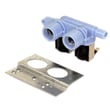
Kenmore uses many similar-looking washer designs, and small model-number differences can change the correct fit for parts like a lid switch, water inlet valve, or drive components. Once you have the model number, we can match parts such as the agitator dog 80040 to the exact washer design.
Last updated: February 2026