Installation guide
 Owner’s manual
 Error Codes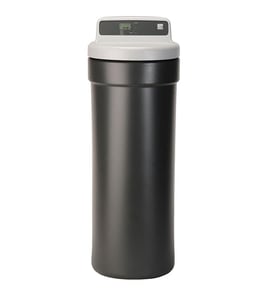



What is the average lifespan of a water softener?
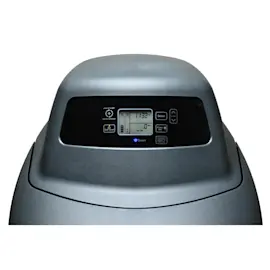
Most residential water softeners last 10 to 15 years. For the Kenmore 625388180 water softener, lifespan depends mainly on water hardness, iron levels, and routine care (salt management, cleaning, and freeze protection) as outlined in the 625388180 owner's manual.
Water softener life varies by what wears out first:
- 10 to 15 years: common overall lifespan for many residential units
- 5 to 12 years: higher-wear components (valve seals, motor, switches) may need service sooner
- 15+ years: possible with consistent maintenance and stable water conditions
| What you’re evaluating | Typical outcome | What to do |
|---|---|---|
| Softener still makes soft water | Keep using it | Maintain salt level and settings |
| Hard water returns | Often repairable | Check settings, clean venturi, inspect valve parts |
| Leaks from valve area | Usually repairable | Inspect seals and valve body for wear |
| Tank or brine storage issues | Bigger repair decision | Compare repair cost vs. replacement |
These factors have the biggest impact on how long a Kenmore water softener lasts:
- Very hard water (high grains per gallon) increases regeneration frequency
- Clear-water iron can add load to the system (your manual notes the unit can remove some clear-water iron within its limits)
- Running out of salt or salt bridging reduces performance and stresses the system
- Poor installation location (freezing risk, poor drainage, cramped access)
- Skipped cleaning of the nozzle/venturi and brine system
If the unit is older but the tanks are sound, replacing wear parts often restores performance:
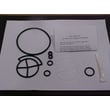
- Kenmore water softener seal kit 7129716 (common fix for internal valve leakage or poor sealing)
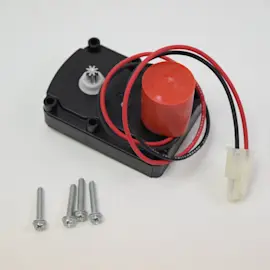
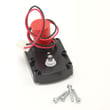
- Rep'l motor 7286039 (if the valve won’t advance through regeneration)
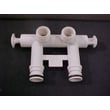
- Nozzle/venturi components (if it won’t draw brine consistently)
A softener near end-of-life often shows up as hard water, frequent regenerations, salt usage changes, or leaks. Catching wear early helps protect plumbing, water heaters, and fixtures from scale.
Last updated: January 2026
What water softeners do plumbers recommend?
Plumbers typically recommend water softeners that match your water hardness (gpg), iron level (ppm), and household demand, then are installed to local plumbing codes. For a Kenmore water softener like model 625388180, the most important “recommendation” is correct sizing, correct setup, and correct installation per the 625388180 installation guide.
Plumbers tend to favor systems that are easy to service, have readily available parts, and are properly sized for the home.
- Verified water test results for hardness and iron
- Correct capacity and regeneration settings for your household
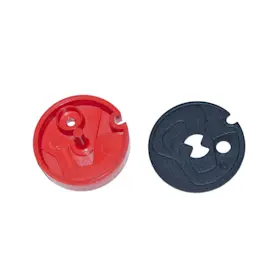
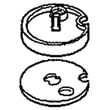
- Reliable valve operation (motor, rotor/disc, seals)
- Straightforward maintenance (salt management, periodic cleaning)
- Installation that follows local plumbing and sanitation codes
Your Kenmore 625388180 is designed to remove hardness minerals and some “clear water” iron up to the limits listed in the specifications section of the owner’s documentation. That is why plumbers start with a water test and then size the equipment to those results.
| What you’re treating | What a softener helps with | What it does not fix |
|---|---|---|
| Hardness (gpg) | Yes, primary purpose | N/A |
| Clear water iron (ppm) | Sometimes, within limits | Other iron types |
| Taste/odor/acidity | No | Needs other treatment |
| Contaminated/unsafe water | No | Needs purification/disinfection solutions |
When a softener is undersized or programmed incorrectly, you can get hard water breakthrough, excess salt use, or frequent regenerations. When it is installed incorrectly, you can also run into leaks or code issues. Following the 625388180 installation guide and the owner's manual prevents most of the problems plumbers get called back for.
If your “recommended” softener is already installed (your Kenmore 625388180) but performance is poor, plumbers often check these service items first:
- Water softener nozzle and venturi with gasket 7187772 (brine draw performance)
- Kenmore water softener seal kit 7129716 (internal sealing, bypassing issues)
- Rep'l motor 7286039 (valve movement during regeneration)
Last updated: January 2026
Is it worth repairing a water softener?
Yes; repairing a Kenmore water softener model 625388180 is worth it when the problem is limited to a normal wear item in the valve or control area (motor, seals, venturi, sensor) and the tank and cabinet are still sound. Use the installation guide and owner's manual to confirm setup and run the built-in checks.
- Repair when you can point to one failed part (won’t advance, weak brine draw, specific error code).
- Repair when the unit still makes soft water some of the time.
- Repair when leaks are limited to valve seals or fittings.
- Replace when you have repeated leaks plus repeated no-soft-water complaints.
- Replace when the tank or salt storage drum is leaking.
- Valve won’t advance or stalls: rep'l motor 7286039
- Internal valve leaking or bypassing hard water: Kenmore water softener seal kit 7129716
- Poor brine draw or weak regeneration: water softener nozzle and venturi with gasket 7187772
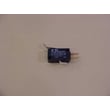
- Cycle sensing or position errors: waterworks water softener rotor position switch 7030713
| Situation | Best choice | Why it matters |
|---|---|---|
| One clear failed part | Repair | Restores soft water with minimal cost and downtime |
| Multiple valve parts failing | Compare totals | Parts plus labor can approach replacement value |
| Tank/drum leaking | Replace | Structural leaks keep causing water damage risk |
A properly working softener reduces scale buildup and helps you avoid wasting salt and water during regeneration. Installation also affects reliability; the softener connects before the water heater and inlet water temperature must stay under 120°F (49°C).
Last updated: January 2026