Owner’s manual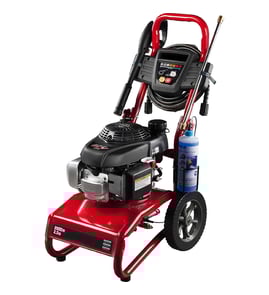



Are Craftsman gas pressure washers good?
Yes; Craftsman gas pressure washers are a good choice for many homeowners because they deliver strong cleaning power and faster rinsing than most electric units when they are assembled, operated, and maintained correctly. For the Craftsman model 580752200, use the ratings and operating limits shown in the 580752200 operator's manual.
For this specific pressure washer, the correct PSI and GPM ratings are the ones printed in the operator’s manual and on the unit’s data label. Those ratings determine what jobs it handles well and which spray tips are safest.
- Driveways, sidewalks, and patio concrete
- Decks and fences (use a wider fan tip and keep distance)
- Siding and outdoor furniture (lower pressure, wider fan)
- General rinsing and prep work before painting
Most “good vs. bad” experiences come down to preventing pump and hose damage and following basic safety rules.
- Always run the unit outdoors with proper clearance and ventilation
- Confirm full water flow before starting; never run the pump dry
- Use the correct spray tip; avoid the 0° red tip on fragile surfaces (glass, soft wood)
- Winterize before freezing temperatures; never start if ice may be present
- Inspect hoses and fittings for chafing, leaks, and loose connections
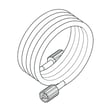
If your high-pressure line is leaking or damaged, replacing the hose 84006753 helps restore safe water delivery and reduces strain on the pump.
| Cleaning task | Gas pressure washer like 580752200 | Best practice |
|---|---|---|
| Concrete and masonry | Good fit | Start with a wider fan tip, then increase as needed |
| Painted siding | Good fit with care | Keep distance, use wider fan tips |
| Glass and delicate trim | Limited | Avoid 0° tip; use low pressure and distance |
Using the correct rated pressure and spray tip protects surfaces and prevents premature pump wear. Following the operating and storage steps in the manual is the difference between reliable performance and repeated leaks, vibration, or pump failure.
Last updated: February 2026
Does Craftsman have a lifetime warranty on pressure washers?
Craftsman pressure washers do not have a lifetime warranty; for Craftsman model 580752200, the operator’s manual states a one-year full warranty for defects in materials or workmanship for normal consumer use (coverage is 90 days if used commercially or as a rental). See the 580752200 operator's manual for the exact warranty wording.
According to the manual, warranty terms depend on how the pressure washer is used.
- Consumer use: one-year full warranty from the purchase date
- Commercial or rental use: warranty coverage applies for 90 days from the purchase date
- Covered issue type: defects in material or workmanship
- Remedy: repair, or replacement if repair is not possible
| Use type | Coverage length | Notes |
|---|---|---|
| Homeowner (consumer) use | 1 year | Defects in material/workmanship |
| Commercial or rental use | 90 days | Shortened coverage period |
Warranty coverage is tied to both time and use case. If you are troubleshooting a no-start, low-pressure, or leak issue, confirming whether it is a defect versus wear, maintenance, or damage helps you decide whether to pursue warranty service or replace common wear items (like a hose or nozzle).
These checks often resolve common pressure washer complaints and also support proper maintenance expectations.
- Review the maintenance schedule in the 580752200 operator's manual (oil changes, inlet screen cleaning, hose checks)
- Inspect the high-pressure hose for bulges, cuts, or leaks; replace if damaged (example: hose 84006753)
- Check the spray tip/nozzle for clogs and correct tip selection (example: pressure washer spray nozzle 195983XGS)
- Verify water supply flow and that the inlet screen is not blocked
- If the engine is losing power or will not start, follow a symptom-based diagnostic path using pressure washer won't start
Last updated: February 2026
How many PSI is a Craftsman 190cc pressure washer?
For Craftsman pressure washer model 580752200 (190 cc), the rated maximum outlet pressure is 2,700 PSI. That PSI rating is the cleaning force the pump can produce at the outlet under the manufacturer’s test standard; your actual working pressure varies with nozzle, hose, and water supply.
We use the specifications in the 580752200 operator’s manual to answer PSI questions for this exact unit.
- Max outlet pressure: 2,700 PSI
- Max flow rate: 2.3 GPM
- Water supply temperature limit: 100°F max
- Engine displacement: 190 cc
Even with a 2,700 PSI max rating, you can see lower pressure at the spray tip depending on setup and conditions.
- A worn or partially clogged spray tip reduces effective pressure and cleaning impact
- Low garden-hose flow or a restricted inlet filter can starve the pump
- Air in the inlet line (not fully primed) causes surging and weak spray
- A long, kinked, or damaged high-pressure hose can reduce performance
- Chemical mode or a low-pressure nozzle setting intentionally drops pressure
| Check | What “good” looks like | What to do if not |
|---|---|---|
| Water supply | Strong, steady flow to the pump | Straighten hose, clean inlet screen, use a shorter supply hose |
| Spray tip/nozzle | Clean orifice, correct tip for the job | Clean tip; replace the nozzle if worn |
| High-pressure hose | No leaks, no bulges, no kinks | Replace the hose if damaged |
If you suspect the spray tip is the issue, the pressure washer spray nozzle 195983XGS is a model-listed option.
Matching PSI and nozzle choice helps you clean faster while avoiding surface damage. Using too aggressive a tip on wood, paint, or siding can etch or strip material even when the washer is operating normally.
Last updated: February 2026
Is it worth repairing a pressure washer?
Yes; repairing a pressure washer is worth it when the problem is a wear item (hose, nozzle, O-rings) or a basic tune-up and the total cost stays well below the price of a comparable new unit. For the Craftsman 580752200, fixing leaks promptly and following the maintenance schedule prevents bigger pump and engine damage.
- Repair for leaks at fittings, worn O-rings, or a damaged hose.
- Repair for low pressure caused by a clogged or worn spray tip.
- Repair when the engine runs but performance is inconsistent (often maintenance-related).
- Replace when the pump or engine has major internal failure and the estimate is close to a new machine.
- Replace when breakdowns are frequent and you rely on it weekly.
| Symptom | Often caused by | Good next step |
|---|---|---|
| Low pressure or poor spray pattern | Clogged/worn nozzle | Replace the tip, such as pressure washer spray nozzle 195983XGS |
| Water leaking at connections | Worn O-ring or seal | Replace the O-ring or seal (do not use sealant) |
| Hose leaking or blistered | Worn high-pressure hose | Replace the hose, such as hose 84006753 |
The 580752200 manual emphasizes that improper treatment and skipped checks (hose condition, inlet screen, siphoning hose, leaks) can shorten the pressure washer’s life. Small repairs done early help protect the pump and reduce engine strain.
- Follow the safety and maintenance steps in the 580752200 owner's manual.
- Wear safety goggles when operating.
- Never repair leaking connections with sealant; replace the O-ring or seal.
- In cold weather, check for ice in the pump and hoses before starting.
Last updated: February 2026
What PSI should my pressure washer be?
Your Craftsman pressure washer model 580752200 is rated for 2,700 PSI max output pressure. In normal use, you control effective pressure mainly by choosing the right spray tip and keeping proper distance from the surface; you rarely need maximum PSI for everyday cleaning.
The operator specs for this model list a maximum outlet pressure of 2,700 PSI. Actual pressure at the surface changes based on setup and technique.
- Narrower spray tips increase impact pressure; wider fan tips reduce it
- Holding the wand closer increases cleaning force; backing away reduces it
- A clogged or worn nozzle can drop pressure quickly
- Water supply that is too weak can cause low pressure or surging
- Air in the pump after storage can cause pulsing until purged
Use the least pressure that gets the job done to avoid damage.
| Task | Typical approach | Tip/technique |
|---|---|---|
| Car paint, patio furniture | Low effective pressure | Wide fan tip; keep distance |
| Decks, fences | Medium effective pressure | Keep wand moving; test a small area |
| Concrete (light to moderate) | Higher effective pressure | Narrower fan tip; avoid etching |
| Siding | Low effective pressure | Spray downward; avoid forcing water behind panels |
- Confirm the water source can supply more than 3.3 GPM and at least 20 PSI at the washer end of the garden hose
- Purge air: turn water on, then hold the trigger until flow is steady
- Check for leaks at hose, gun, and pump connections
- Clean or replace a restricted tip; a known-good option is the pressure washer spray nozzle 195983XGS
- Inspect the high-pressure hose for kinks or internal damage
Using the correct PSI for the surface prevents gouging wood, stripping paint, and forcing water into siding seams; it also reduces wear on the pump, seals, and spray nozzle.
For the exact rated specs and operating steps for this unit, use the 580752200 owner's manual.
Last updated: February 2026
What engine does Craftsman pressure washer use?
For Craftsman pressure washer model 580752200, the operator’s manual lists a 190 cc gas engine (11.57 cu in displacement). For the exact engine family and service details used on your unit, match the engine’s data label to the specifications in the 580752200 operator's manual.
Use these quick checks so you get the right tune-up parts and service information:
- Look for the engine data label on the engine shroud or near the recoil starter
- Record the engine model, type, and code (or similar ID fields)
- Compare the ID to the engine specifications section in the manual
- Confirm the spark plug and oil fill/dipstick locations match the manual diagrams
- If the label is missing, use the displacement (190 cc) plus mounting layout and controls to narrow it down
The manual provides engine specs that help identify the engine even when branding varies.
| Spec (580752200) | What to use it for |
|---|---|
| Displacement: 190 cc | Confirms engine size class for parts matching |
| Bore: 2.69 in (68 mm) | Helps confirm engine family when cross-referencing |
| Stroke: 2.04 in (52 mm) | Helps confirm engine family when cross-referencing |
The engine model determines the correct spark plug, air filter, carburetor parts, and oil capacity. Using the wrong engine ID is a common reason a gas pressure washer runs rough, won’t start, or loses power.
If your unit is hard to start or surges after sitting, follow the starting and safety steps in the manual and keep water supply flow strong (the manual calls for more than 3.3 GPM and at least 20 PSI at the hose).
Last updated: February 2026
What is the life expectancy of a pressure washer?
A gas pressure washer like Craftsman model 580752200 typically lasts 5 to 7 years with normal homeowner use; with consistent maintenance and proper storage, it commonly reaches 500 to 2,000+ operating hours before major pump or engine wear becomes the limiting factor. Use the maintenance schedule in the 580752200 owner's manual to maximize service life.
- Maintenance frequency (oil changes, air filter, spark plug, debris cleanup)
- Water quality and inlet screening (sand and grit shorten pump life)
- Operating habits (running dry, overheating, long trigger-off bypass time)
- Storage and winterizing (freeze damage ends pumps fast)
- Hose and gun condition (leaks and restrictions strain the pump)
The manual calls out routine checks and seasonal service that directly impact longevity.
| Task | Typical interval | Why it matters |
|---|---|---|
| Check engine oil level | Every use | Prevents accelerated engine wear |
| Change engine oil | Per schedule (hours or calendar) | Keeps lubrication effective under load |
| Clean inlet screen | As needed | Protects pump from debris |
| Replace spark plug and air filter | About yearly | Helps the engine run cooler and cleaner |
- Pressure is consistently low even with a clean nozzle and good water supply
- Pump surges or pulses and will not stabilize
- Oil consumption, hard starting, or loss of power under load
- Persistent leaks at the pump manifold or fittings
- Excessive vibration or unusual mechanical noise
Pressure washers are high-load machines; small issues like a clogged inlet screen, a worn hose, or poor storage can shorten life quickly. Following the manual’s maintenance schedule and using the correct spray tip selection helps protect the pump and engine.
Last updated: February 2026
What kind of gas goes in a Craftsman 3000 PSI pressure washer?
Use clean, fresh, unleaded gasoline with a minimum rating of 87 octane (87 AKI). For your Craftsman pressure washer model 580752200, we also recommend buying fuel in small quantities and using it promptly so the engine starts easily and runs smoothly; see the 580752200 owner's manual for fuel and starting guidance.
Use the same fuel you would put in most small 4-cycle outdoor power equipment engines.
- Use unleaded gasoline, 87 octane (87 AKI) or higher
- Use fresh fuel (stale gas is a top cause of hard starting and surging)
- Avoid fuel contaminated with water or dirt (keep the gas can clean and sealed)
- Do not mix oil into the gasoline (this is a 4-cycle engine)
- If your area sells ethanol-blended fuel, keep it fresh and do not store it long-term in the tank
- Shut the engine off and let it cool
- Refuel outdoors, away from ignition sources
- Wipe up spills before starting
- Do not overfill; leave room for expansion
| Symptom | What it often points to | What to do first |
|---|---|---|
| Won't start after storage | Stale fuel, varnish in carburetor | Drain old fuel; refill with fresh 87+ |
| Surging or losing power | Partially clogged carburetor, water in fuel | Replace fuel; check air filter |
| Starts then dies when you squeeze the trigger | Fuel delivery issue or unloader/pump load | Verify fresh fuel; then follow pressure washer engine losing power |
Correct, fresh gasoline protects the carburetor and helps your Craftsman 580752200 reach consistent pressure and flow without stalling, especially after the pressure washer has been sitting for a day or more.
Last updated: February 2026