


Where is the model number on a Craftsman rear tine tiller?
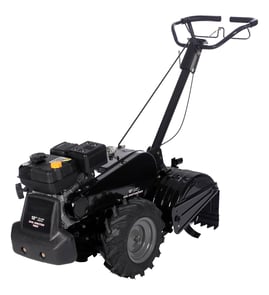
On a Craftsman rear-tine tiller, the model number is printed on a product ID label (a sticker or metal tag) attached to the machine. On model 917299233, you will typically find that label on the tine shield/guard area, on or near the engine, or on the front of the frame.
Look for a rectangular label that includes the model number and sometimes a serial number.
- Tine shield or tine guard (near the tines, but on the frame or shield, not on a moving part)
- Front of the tiller frame (facing forward from the handlebars)
- Engine area (on the engine mounting plate or nearby frame rail)
- Near the belt/chain guard area (on the outer housing)
- Handlebar support or main frame tube (near where the handlebars bolt on)
- Wipe dirt and oil off the frame with a rag; labels are often hidden by soil buildup.
- Use a flashlight and look along flat frame surfaces where a sticker can adhere.
- If the label is scratched, take a photo and zoom in to read faint characters.
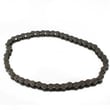
You can still identify the correct parts by matching what you see on the tiller to the diagrams and parts list for model 917299233. For example, if you are working around the drive system or tine drive, you can cross-check components like the tiller chain, #25-50 532102134 or the gear case 532407383.
| What you find | What to do next |
|---|---|
| Clear model label | Use the exact model number to select parts |
| Faded or partial label | Compare characters from a photo to the model listing |
| No label | Match assemblies in the diagrams (tines, drive, gear case) |
Using the exact model number helps us show the right Craftsman rear-tine tiller parts, including the correct chain, V-belt, depth stake, and gear case components for your specific build.
Last updated: February 2026
What are the common problems with lawn tillers?
Common problems we see on the Craftsman 917299233 rear-tine tiller include hard starting or no-start, poor power under load, tines or wheels not driving, and excessive vibration. Most issues trace back to fuel quality, ignition wear, belt/chain drive wear, or linkage and gear case problems.
- Won’t start / hard to start: stale fuel, clogged carburetor passages, dirty air filter, fouled spark plug
- Starts then dies: restricted fuel flow, tank vent issue, carburetor adjustment out of range
- Tines won’t turn or slip: worn or loose drive belt, stretched chain, damaged shift linkage
- Poor tilling performance: depth stake set too shallow, worn tines, engine not reaching full RPM
- Grinding noises / oil leaks at transmission: internal wear or seal issues in the gear case
- Excessive vibration: loose hardware, bent tine shaft, damaged bearings
- Drain old gasoline and refill with fresh fuel; clean the fuel cap vent.
- Inspect the spark plug condition and gap; replace if fouled.
- Check belt condition and tension; a glazed or cracked belt commonly causes slipping.
- Verify the shift lever and rod move freely and fully into gear.
- Look for chain slack, broken links, or missing retainers.
If your tiller runs but the wheels or tines do not pull, these model-matched parts are often involved:
| Symptom | What to inspect | Example part for this model |
|---|---|---|
| Tines/wheels slip | Belt wear, belt tension | V-belt 532132672 |
| No drive, rattling | Chain stretch or break | Tiller chain, #25-50 532102134 |
| Won’t stay in gear | Linkage/shift wear | Rally tiller shift fork 532008353 |
| Grinding/leak at transmission | Gear case damage | Gear case 532407383 |
Catching fuel and ignition problems early prevents repeated no-starts, and addressing belt or chain wear early helps protect the gear case and shift components from shock loads.
Last updated: February 2026
How often should I change the oil in my tiller?
For your Craftsman 917299233 rear-tine tiller, we change the engine oil after the first few hours on a new or rebuilt engine, then about every 25 to 50 hours of use or at least once per season (once a year). If the oil looks dark, smells burnt, or feels gritty, change it now.
Use this as a practical baseline for most rear-tine tillers:
- New engine or fresh rebuild: change after 5 hours
- Normal use: change every 50 hours or once per season
- Dusty, hot, or heavy tilling: change every 25 hours
- Long storage (end of season): change oil before storing
- Anytime oil is contaminated: change immediately
| Your use case | Change interval | Why |
|---|---|---|
| Light garden beds, clean soil | 50 hours / season | Oil stays cleaner longer |
| Clay soil, dusty conditions | 25 hours | Dirt load increases wear |
| First-time run after purchase | 5 hours | Break-in debris can darken oil |
Checking oil often prevents engine damage and hard starting.
- Park on level ground and let the engine cool a few minutes
- Check the level on the dipstick (do not overfill)
- Look for milky oil (water contamination) or metallic shimmer (wear)
- Wipe the dipstick clean, reinsert, then recheck for an accurate reading
- If the level drops between uses, inspect for leaks and burning oil
Clean oil protects the crankshaft, piston, and bearings from heat and friction. On a rear-tine tiller like the Craftsman 917299233, dirty oil accelerates wear, reduces power under load, and can shorten engine life.
Oil changes sometimes reveal related issues like leaks or loose hardware. If you are servicing the drive or tine area at the same time, these common wear items are available for this model:
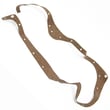
- Gasket 532431022 (helps seal housings to prevent leaks)
- V-belt 532132672 (worn belts can slip under load)
- Tiller chain, #25-50 532102134 (stretched chains affect drive performance)
Last updated: February 2026
Are Craftsman rear tine tillers any good?
Yes. Craftsman rear-tine tillers like model 917299233 are a solid choice for most home gardens because they are built to handle tougher soil, maintain steady traction, and deliver consistent tilling depth when the drive system and tines are in good condition.
A rear-tine design puts the tines behind the wheels, which typically improves control and reduces bouncing in hard ground. For Craftsman rear-tine tillers, “good” usually means:
- Starts reliably and holds a steady idle under load
- Moves forward without slipping or surging
- Tines pull into soil without excessive vibration
- Shifts cleanly between speeds (and reverse, if equipped)
- Leaves an even seedbed when the depth stake is set correctly
Even a well-built tiller can feel “bad” if a few drivetrain parts are worn. On model 917299233, these parts are often involved when performance drops:
- Drive belt wear or glazing: check the v-belt 532132672
- Chain stretch or damage: inspect the tiller chain, #25-50 532102134 and chain 532106147
- Depth control issues: verify the depth stake 532102156 is straight and secured
- Shifting problems: look for binding or bending at the rally tiller shift fork 532008353 and tiller shift rod 532109337
Use this fast check before you decide to repair or replace:
| Check | What you want to see | What it suggests if not OK |
|---|---|---|
| Belt condition | No cracks, no glazing | Belt slipping, weak drive |
| Chain tension | Minimal slack, smooth rotation | Chain stretch, noisy drive |
| Depth stake hold | Locks firmly, no wobble | Uneven till depth |
| Shifting feel | Positive engagement | Linkage wear or internal drag |
Rear-tine tillers are only as “good” as their traction and drivetrain. Keeping the belt, chain, and depth control components in spec is what preserves the stable, easy-to-control feel people expect from a Craftsman rear-tine tiller.
Last updated: February 2026
Can a rear tine tiller cut through roots?
Yes. A Craftsman rear-tine tiller like model 917299233 can cut through small roots while tilling, especially in established soil. For larger, woody roots, the safest approach is to loosen soil in passes and remove roots as you expose them rather than forcing the tines.
Rear-tine tillers have the traction and tine position to bite into tougher ground, but roots vary a lot by size and wood type.
- Small feeder roots: typically cut and churned during normal tilling
- Medium roots: often need multiple shallow passes and cleanup by hand
- Large roots/stumps: do not till through; expose and remove first
- Rocky, rooty soil: expect slower progress and more vibration
- Wet soil: increases binding and strain; wait until soil is crumbly
Use technique to protect the belt, chain, and gear case.
- Start shallow (first pass) and increase depth gradually.
- Let the machine work; avoid pushing down on the handles.
- If the tines stop or hop, disengage drive immediately and clear the obstruction.
- Work in short sections; remove exposed roots with loppers or a mattock.
- Inspect the drive system after heavy root work.
If you’re cutting into roots and the tiller starts slipping, rattling, or losing drive, these are common wear points to check:
| Symptom | Common area to inspect | Example part on this model page |
|---|---|---|
| Tines stop but engine runs | Belt drive | V-belt 532132672 |
| Grinding/clicking from transmission | Chain/gear case | Tiller chain, #25-50 532102134 |
| Won’t shift or pops out of gear | Shift linkage | Rally tiller shift fork 532008353 |
Roots create sudden shock loads. Using shallow passes and clearing roots as you go reduces strain on the V-belt, chain, and gear case, helping your Craftsman 917299233 tiller keep consistent tine speed and traction.
Last updated: February 2026