 Error Codes


What is the most common failure on a dishwasher?
The most common dishwasher failure is a drain problem: water stays in the tub because of a clog, a restricted drain path, or a drain component issue. On the Jenn-Air JDB4950AWP, leaks at the door and poor cleaning from spray or fill problems are also among the most frequent real-world complaints.
Most common failures (and what you usually notice)
- Won’t drain: standing water after the cycle, gurgling, or a sink backup
- Leaks: water at the front corners or along the bottom of the door
- Not cleaning well: gritty dishes, detergent left behind, or weak spray
- Won’t start or stops mid-cycle: door not registering as closed
- Overfills or underfills: too much water, too little water, or intermittent filling
Quick checks we recommend first (before replacing parts)
- Remove debris from the bottom of the tub and check for food buildup around the sump area.
- Confirm the drain hose is not kinked and the drain path is clear.
- Run hot water at the sink for 30 to 60 seconds before starting a cycle to improve wash performance.
- Verify the door closes firmly and latches without needing to lift or push hard.
- Check loading: keep tall items from blocking the lower spray arm.
Common symptom-to-part mapping for JDB4950AWP
| Symptom | Most likely area | Example part to consider (if checks don’t fix it) |
|---|---|---|
| Standing water after cycle | Drain path or hose restriction | Dishwasher drain hose WP99001782 |
| Water leaking at door | Door sealing surface | Dishwasher door seal WP902894 |
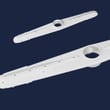
| Dishes not getting clean | Spray coverage or water fill | Dishwasher spray arm assembly, lower WP99001788 |
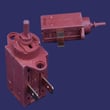
| Won’t start unless you press door | Door latch/switch circuit | Door switch 99002254 |
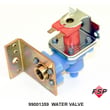
| Slow fill or no fill | Water supply into dishwasher | Dishwasher water inlet valve WP99001359 |
Why it matters
Drain and leak issues can lead to odors, poor results, and repeated cycle failures. Catching a clog early and replacing a worn seal or weak-fill component helps protect the pump, wiring, and the kitchen floor.
Last updated: February 2026
What is the life expectancy of a Jenn-Air dishwasher?
Most Jenn-Air dishwashers, including model JDB4950AWP, typically last 10 to 15 years with normal use and basic maintenance. If yours is nearing that range and you are seeing leaks, poor cleaning, or draining issues, targeted part replacement often restores reliable performance.
Typical lifespan and what affects it
A dishwasher’s service life depends heavily on water quality, loading habits, and how quickly small problems are fixed.
- Hard water and heavy detergent use can shorten pump, valve, and seal life
- Frequent short cycles can leave grease and debris behind
- Overloading can stress racks, spray arms, and the door latch
- Skipping filter and sump cleaning can lead to poor wash and drain performance
- Fixing minor leaks early helps prevent corrosion and electrical issues
Signs your dishwasher is near end-of-life
These symptoms usually mean wear is accumulating across multiple systems.
- Water leaking at the door or corners
- Dishes stay gritty or come out with food debris
- Standing water after the cycle ends
- Door won’t latch consistently or the unit stops mid-cycle
- Repeated need to restart cycles to finish
Repair vs. replace: quick decision guide
| What you’re seeing | Most common cause | Typical next step |
|---|---|---|
| Leak at the door | Worn door gasket | Replace the dishwasher door seal WP902894 |
| Won’t fill or fills slowly | Inlet valve or supply restriction | Check supply; consider dishwasher water inlet valve WP99001359 |
| Won’t drain well | Drain path restriction or hose issue | Clear drain path; inspect dishwasher drain hose WP99001782 |
| Poor wash coverage | Clogged or worn spray arm | Clean or replace dishwasher spray arm assembly, lower WP99001788 |
Why it matters
Knowing the typical 10 to 15 year lifespan helps you decide whether a repair is a smart investment. On a JDB4950AWP, replacing a high-wear item like a door seal, inlet valve, drain hose, or spray arm can solve the root problem and extend usable life.
Last updated: February 2026
What are the commonly replaced parts in a dishwasher?
In the Jenn-Air JDB4950AWP dishwasher, the most commonly replaced parts are the ones that handle water flow, door sealing, and rack movement. When you see leaks, poor cleaning, or draining problems, these wear items and water-control parts are the first places we check.
Most common dishwasher parts that get replaced
- Door sealing parts that stop leaks: dishwasher door seal WP902894
- Water fill parts when the tub will not fill or fills slowly: dishwasher water inlet valve WP99001359
- Drain path parts when water stays in the bottom: dishwasher drain hose WP99001782
- Wash performance parts when dishes come out dirty: dishwasher spray arm assembly, lower WP99001788
- Door safety and start issues: door switch (often fails as a no-start symptom)
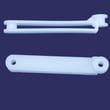
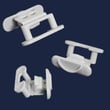
- Rack wear items that break or let the rack fall off track: rack stop WP99002135
Quick symptom-to-part guide
| Symptom | Most likely part area | Example part for JDB4950AWP |
|---|---|---|
| Water leaking at the door | Door seal, corner baffle/deflector | Dishwasher door seal WP902894 |
| Dishwasher will not fill | Inlet valve, water level switch/float | Dishwasher water inlet valve WP99001359 |
| Standing water after cycle | Drain hose, drain path clogs | Dishwasher drain hose WP99001782 |
| Poor cleaning, no spray | Spray arm, clogs in spray holes | Dishwasher spray arm assembly, lower WP99001788 |
| Door will not start cycle | Door switch, latch alignment | (Door switch is a common fix) |
What to check before you replace parts
- Clean the filter area and remove debris from the sump (common cause of weak wash and drain issues).
- Inspect the lower spray arm holes for mineral buildup and food blockage.
- Confirm the door closes squarely and the seal is fully seated all the way around.
- Check the drain hose routing for kinks and make sure it has a proper high loop.
- Look for rusted rack tines or broken rack stops that cause loading and spray interference.
Why it matters
Dishwashers fail most often at the “water in, water around, water out” points. Fixing a worn seal, restricted spray arm, or failing inlet valve restores cleaning performance and prevents leaks that can damage cabinets and flooring.
Last updated: February 2026
What are the dishwasher arms called inside of the dishwasher called?
They’re called spray arms (also commonly called wash arms). In the Jenn-Air JDB4950AWP dishwasher, the spray arms rotate and force water through small jets to wash the upper and lower racks; a clogged or damaged arm can reduce cleaning performance.
What you’ll see inside the tub
Most dishwashers use these spray components:
- Lower spray arm: sits under the bottom rack and washes the lower rack
- Upper spray arm: typically mounted under the upper rack or on the feed tube to wash the top rack
- Spray arm support and seals: keep the arm aligned and prevent leaks at the hub
If you’re replacing the lower arm for this model, use the correct part: dishwasher spray arm assembly, lower WP99001788.
Quick checks if dishes are not getting clean
Before replacing parts, we recommend these basic checks:
- Spin the spray arm by hand; it should rotate freely without hitting the rack
- Clear blocked jets (food, labels, seeds) using a toothpick and rinse the arm
- Confirm the racks are not overloaded; tall items can stop rotation
- Make sure the filter area is clean so water flow stays strong
- Run hot water at the sink before starting a cycle to improve wash temperature
Common symptoms and likely causes
| Symptom | What it often points to | What to do next |
|---|---|---|
| Top rack not clean | Upper spray arm or water feed issue | Check for blockage and proper rack loading |
| Bottom rack not clean | Lower spray arm jets blocked or arm cracked | Inspect and clean; replace if damaged |
| Poor overall wash | Low water fill, restricted flow | Check fill and circulation basics |
Why it matters
Spray arms are the dishwasher’s “pressure washer” system. When the jets clog or the arm splits, water pressure drops and detergent cannot circulate correctly, so you get spots, grit, or leftover food.
Last updated: February 2026





