Owner’s manual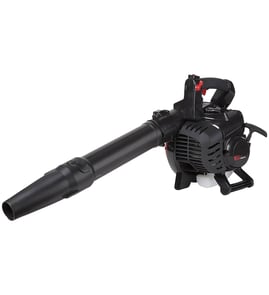






Can I use regular gas for a leaf blower?
Yes. For the Craftsman 358794763 gas leaf blower, we use unleaded regular gasoline (minimum 87 octane), but it must be mixed with 2-cycle oil at the correct ratio; this model uses a 40:1 gas-to-oil mix (3.2 fl oz oil per 1 gallon of gas). See the owner's manual for the exact fueling steps.
Use fresh, clean fuel and mix it before filling the tank.
- Use unleaded gasoline, 87 octane or higher
- Mix with synthetic 2-cycle air-cooled engine oil at 40:1
- Shake the fuel container briefly after mixing to fully blend oil and gas
- Avoid straight gasoline (no oil mixed in)
- Avoid automotive 4-cycle oil and boat/marine oil (wrong additives for this engine)
| Gasoline amount | 2-cycle oil needed (40:1) |
|---|---|
| 1 gallon | 3.2 fl oz |
| 1/2 gallon | 1.6 fl oz |
| 1 quart | 0.8 fl oz |
This Craftsman blower is a 2-cycle engine, so the oil in the fuel mix lubricates the crankshaft and piston. Running straight gas (or the wrong oil type) causes rapid internal wear and permanent engine damage.
Fuel issues often show up as hard starting, surging, or stalling. Check these common items:
- Confirm the mix is 40:1 and the gas is fresh
- Inspect the fuel lines for cracks or softness; replace if needed (example: poulan lawn & garden equipment fuel line, small 530069247)
- Clean or replace a dirty air filter (example: leaf blower air filter 545146501)
- Make sure the fuel cap is tightened properly and not leaking
- If it sat with fuel in it, drain the tank and refill with a fresh mix
Last updated: February 2026
How long should a gas leaf blower last?
A gas leaf blower like the Craftsman 358794763 typically lasts about 10 years with normal homeowner use when it is maintained on schedule (clean air filter, fresh fuel practices, and yearly tune-up items). Consistent maintenance has the biggest impact on service life; see the owner's manual for the exact care intervals.
- Air filtration: a clogged filter makes the engine run rich and lose power.
- Fuel quality and storage: stale fuel and ethanol-related issues shorten carburetor life.
- Maintenance frequency: the manual calls out routine checks before each use and periodic service.
- Operating habits: running at full throttle with restricted airflow (blocked tubes, packed bag) increases wear.
- Vibration and fasteners: loose screws and mounts accelerate damage over time.
The Craftsman 358794763 manual outlines a simple routine that keeps the 2-cycle engine and blower housing in good shape.
| Task | When to do it | Why it matters |
|---|---|---|
| Check for loose fasteners and worn parts | Before each use | Prevents vibration damage and air leaks |
| Inspect and clean unit | After each use | Keeps cooling and controls working properly |
| Clean air filter | Every 5 hours of operation | Protects engine from dirt ingestion |
| Replace spark plug and fuel filter | Yearly | Improves starting and fuel delivery |
If you are replacing worn maintenance items, the leaf blower air filter 545146501 is a common service part for this model.
- Drain the tank for storage periods of 30 days or longer, then run the engine until it stops.
- Store in a clean, dry area; lightly oil external metal surfaces.
- Keep guards and tubes installed to prevent accidental damage.
- Use fresh, properly mixed 2-cycle fuel at the start of the next season.
A leaf blower that is maintained and stored correctly avoids the most common early failures (hard starting, poor acceleration, and carburetor clogging). That directly translates into longer engine life and fewer part replacements.
Last updated: February 2026
What is the gas oil mixture for a Craftsman leaf blower?
For the Craftsman gas leaf blower model 358794763, we mix unleaded gasoline with synthetic 2-cycle air-cooled engine oil at a 40:1 ratio. That equals 3.2 fl oz of 2-cycle oil per 1 gallon of gas (see the owner's manual).
Use this quick chart to measure accurately:
| Gasoline amount | 40:1 oil amount |
|---|---|
| 1 gallon | 3.2 fl oz |
| 1/2 gallon | 1.6 fl oz |
| 1 quart | 0.8 fl oz |
Mixing in a separate approved fuel can helps protect the carburetor and fuel lines.
- Start with a clean fuel can (not the blower tank)
- Add the measured 2-cycle oil first
- Add fresh unleaded gasoline (minimum 87 octane)
- Cap the can and shake briefly to blend
- Fill the blower; tighten the fuel cap securely
Using the right oil prevents piston and cylinder damage in a 2-cycle engine.
- Use synthetic 2-cycle air-cooled engine oil (Craftsman synthetic is recommended in the manual)
- Use fresh unleaded gasoline, 87 octane minimum
- Do not use straight gasoline
- Do not use automotive oil
- Do not use boat (marine) oil
- Avoid alternative fuels like E-15, E-20, or E-85 in 2-stroke engines
A 2-cycle Craftsman blower relies on oil mixed into the fuel for lubrication. If the mix is too lean (not enough oil) the engine overheats and wears quickly; if it is too rich (too much oil) it can smoke, foul the spark plug, and run poorly.
Last updated: February 2026
Why does my 2 stroke leaf blower run for a few minutes then dies?
If your Craftsman 358794763 2-stroke leaf blower runs a few minutes then dies, it is losing air flow, fuel flow, or spark as it warms up. Start with fresh correctly mixed fuel, then check the air filter and fuel lines; follow the setup and safety steps in the owner's manual.
- Drain old fuel; refill with fresh 2-stroke mix (never straight gasoline).
- Use minimum 87 octane (R+M)/2 gasoline.
- Avoid E-15, E-20, and E-85; the manual warns these fuels cause performance problems.
- Inspect the air filter; clean or replace if dirty or oil-soaked.
- Inspect fuel lines for cracks, soft spots, or loose fits.
- Check the muffler area for loose screws and heavy carbon buildup.
- Air restriction: leaf blower air filter 545146501
- Fuel starvation: fuel line, small 530069247 and fuel line, large 530069216
| What you notice | Most likely cause | What to do next |
|---|---|---|
| Power fades out, then stalls | Fuel not reaching carburetor | Replace fuel lines, refresh fuel mix |
| Runs better with choke partly on | Lean condition (air leak or carb setting) | Check filter cover seal, inspect lines, adjust carb |
| Dies when you squeeze throttle | Dirty filter or fuel restriction | Replace filter, check lines and tank pickup |
A 2-stroke that runs lean from restricted fuel flow or air leaks overheats and loses lubrication. Fixing fuel quality, air filtration, and fuel lines first prevents repeat stalling and protects the engine.
Last updated: February 2026