Installation guide
 Owner’s manual



What is the life expectancy of an Electrolux washing machine?
Electrolux washers typically last about 10 years in normal household use. For the Electrolux EFLS627UTT0, lifespan depends most on installation (leveling, drain setup), load habits, and routine cleaning; the warranty coverage on key components also supports long-term ownership (see the EFLS627UTT0 owner's manual).
Typical lifespan and what to expect
Most modern front-load washers fall into a similar range, but real-world life varies by use and care.
- Typical household life expectancy: ~10 years
- Heavy use (large family, daily loads): often shorter
- Light use (few loads per week) with good maintenance: often longer
- Long-term durability is helped by reducing vibration and keeping seals and the tub clean
What affects lifespan the most
These are the biggest factors we see that shorten or extend washer life:
- Overloading or consistently washing bulky items without balancing the load
- Poor leveling (excess vibration during spin stresses suspension and bearings)
- Detergent overuse (buildup contributes to odor, residue, and seal issues)
- Moisture left in the door area (can lead to mold and boot deterioration)
- Drain and fill conditions (kinked hoses, slow drain, or siphoning from an incorrect standpipe height)
Quick maintenance plan (high impact)
Use this simple routine to help EFLS627UTT0 last longer:
| Task | How often | Why it matters |
|---|---|---|
| Wipe door glass and gasket area | Weekly | Reduces moisture, residue, and odor |
| Run a cleaning cycle (per manual) | Monthly | Helps prevent buildup that causes smells and poor washing |
| Check leveling and vibration | As needed | Protects suspension, tub, and motor system |
| Inspect the door seal for tears | Monthly | Prevents leaks and protects nearby components |
If you are fighting odor or visible buildup, follow how to get rid of mold in a front load washer.
Why it matters
A washer’s “life expectancy” is mostly about preventing the common failure drivers: vibration, moisture, and buildup. Keeping the unit level, using the right amount of detergent, and cleaning regularly reduces wear on high-cost systems like the tub, motor, and drain components.
Last updated: February 2026
How do I put my Electrolux washer in diagnostic mode?
To put your Electrolux washer model EFLS627UTT0 into diagnostic (test) mode, we use the control-panel button sequence described in the EFLS627UTT0 owner's manual. Once test mode starts, the washer typically begins with an initial display/indicator check (often called “test 0”).
Before you start
- Unplug the washer for 30 seconds, then plug it back in (this clears many stuck states).
- Make sure the door is fully closed and latched.
- Empty the drum; diagnostic tests can spin or drain unexpectedly.
- Turn the cycle selector to a normal “ready” state (not running a cycle).
- If the door stays locked after a hot cycle, wait for the tub to cool; the manual notes the door can remain locked above about 130°F (55°C).
Entering diagnostic mode (what to expect)
Electrolux front-load washers in this series use a button-combination entry into test mode. After you enter it successfully:
- The display and LEDs cycle to confirm the control is responding.
- You can step through additional tests using the control buttons/selector.
- You can exit by powering the washer off, or by following the exit steps in the manual.
| What you see | What it usually means | What to do next |
|---|---|---|
| LEDs/display cycle | Control panel self-test | Proceed to the next test step per the manual |
| Door locks | Safety interlock active | Keep hands clear; do not open the door |
| Pump/motor sounds | Component test running | Stop the test if anything sounds abnormal |
Why it matters
Diagnostic mode helps us separate a control/communication issue from a mechanical problem (drain pump, drive motor, door lock). That saves time when troubleshooting symptoms like no drain, no spin, or a door that will not unlock.
Last updated: February 2026
How to get rid of mold in an Electrolux washer?
To get rid of mold in your Electrolux EFLS627UTT0 washer, we focus on the places that stay wet the longest: the door gasket folds and the dispenser drawer. Clean those areas thoroughly, then run the washer-clean cycle and keep the door vented so moisture cannot return.
Step-by-step mold cleanup (EFLS627UTT0)
- Unplug the washer or switch off power at the breaker.
- Wipe and dry the entire door gasket fold with a clean, dry towel (mold and residue hide in the folds).
- Scrub visible mildew or residue on the gasket with a bathroom mildew remover (the manual specifically notes using a mildew stain remover and a brush for gasket residue).
- Remove the dispenser drawer and wash the drawer and inserts; the manual method is ¾ cup liquid chlorine bleach mixed with 1 gallon of hot water, then rinse well and repeat if needed.
- Run the washer’s clean washer cycle after you finish scrubbing.
- After the cycle, dry the gasket again and leave the door using the washer’s door stand ventilation feature for a few hours.
What to do if mold keeps coming back
Most repeat mold problems come from moisture plus detergent residue. These changes stop the cycle:
- Use HE (high efficiency) detergent only
- Measure detergent carefully (overdosing feeds residue buildup)
- Remove loads promptly when the cycle ends
- Avoid frequent cold-water-only washing (it can leave more detergent behind)
- Dry the gasket folds after every load
- Run a dehumidifier in the laundry area if humidity is high
Parts that matter if you see leaks or heavy buildup
If the gasket is torn, warped, or permanently stained, cleaning will not last because water and residue keep collecting.
| Symptom | Most likely area | What to check next |
|---|---|---|
| Mold in gasket folds | Door boot (gasket) | Look for tears, gaps, or hardened rubber |
| Musty odor after cleaning | Gasket and door area | Confirm you are drying folds and venting door |
| Water sitting in folds | Gasket folds | This is normal; wipe dry after use |
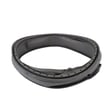
Helpful model-specific references: EFLS627UTT0 owner’s manual, and if replacement is needed, washer door boot 5304505004.
Why it matters
Mold forms when moisture stays trapped in the gasket and dispenser area. Keeping those areas clean, using HE detergent, and drying and venting after each load prevents odors, residue stains, and repeat mildew.
Last updated: February 2026
What is the error code E13 on Electrolux washing machine?
On the Electrolux EFLS627UTT0 washer, error code E13 points to a leak condition the washer is detecting, commonly water leaking into the outer tub area or an air leak in the pressure (water-level) sensing system. This can prevent accurate water-level readings and stop the cycle.
What to check first (safe, quick steps)
- Unplug the washer; turn off both water supply valves.
- Look for water under the washer and around the front door opening.
- Check the door gasket for tears, gaps, or heavy debris in the folds.
- Verify the drain hose is secured and not siphoning (hose pushed too far into the standpipe can cause odd fill and drain behavior).
- Run a short rinse cycle after drying everything; watch for fresh drips.
Common causes and the parts that usually fix them
E13 is most often tied to door-area leaks or water-level sensing issues.
| Symptom you notice | Most likely area | Part that commonly applies on EFLS627UTT0 |
|---|---|---|
| Water dripping from door area | Door gasket not sealing | Washer door boot 5304505004 |
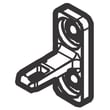
| Door closes but leaks or won’t latch consistently | Door strike or lock alignment | Frigidaire washer door strike 5304505088 and washer door lock assembly 5304514774 |
| Overfilling, odd water levels, or E13 returns with no visible leak | Water-level sensing system | Washer water-level sensor 5304505436 |
Why it matters
When the washer cannot trust the pressure signal (from water leaks or air leaks in the sensing path), it may overfill, underfill, or stop mid-cycle to protect the home from water damage. Fixing the leak source also helps prevent odor and mold buildup in a front-load washer.
Use the manual for model-specific diagnostics
For the exact troubleshooting flow, error handling, and safe access steps for your controls and panels, follow the EFLS627UTT0 owner’s manual.
Last updated: February 2026
How to reset error code on Electrolux washer?
On our Electrolux EFLS627UTT0 washer, you can clear many error conditions by canceling the cycle and doing a quick power reset (turn the unit off, unplug briefly, then restore power). If the code returns, fix the cause first (water supply, drain, door lock, or an unbalanced load) before trying again.
Quick reset steps (safe first checks)
- Press Cancel to stop the cycle and clear the display.
- Press Power to turn the washer off.
- Unplug the washer (or switch the breaker off), wait about 1 minute, then restore power.
- Start a Rinse/Spin or a short cycle to confirm the code is gone.
- If the washer was stuck in a repeating demo-style display, use the reset sequence in the EFLS627UTT0 owner’s manual.
Fix the most common causes before you reset again
Many “reset” attempts fail because the washer is still detecting the same problem.
- No fill or slow fill: Make sure supply valves are fully open; do not kink or pinch inlet hoses.
- Drain problems: Check the drain hose for kinks and confirm the standpipe has an air gap (a tight fit can siphon).
- Door won’t lock: Inspect the strike and latch area for damage or misalignment.
- Out-of-balance during spin: Pause and redistribute the load; add 1 to 2 similar items if the load is too small.
What the display “HO SE” means (and how to clear it)
If the LED cycles “HO” then “SE”, the washer detected reversed hot and cold inlet hoses. Press Cancel to acknowledge, shut off both water valves, then reconnect each hose to the correct inlet. Details are in the EFLS627UTT0 owner’s manual.
| What you see | What it usually indicates | What to do next |
|---|---|---|
| “HO” then “SE” repeating | Hot/cold hoses reversed | Press Cancel; swap hoses to correct inlets |
| Code returns after reset | Condition still present | Correct fill, drain, door, or balance issue |
Parts that commonly relate to recurring codes
If you’ve confirmed the basic checks and the same error keeps coming back, these model-matched parts are common suspects:
- Washer water inlet valve assembly 5304528029 (fill issues)
- Washer drain pump assembly 5304514775 (drain issues)
- Washer door lock assembly 5304514774 or frigidaire washer door strike 5304505088 (door/lock issues)
Why it matters
Resetting clears the symptom, but correcting the underlying issue prevents repeat shutdowns, protects the control from repeated fault cycles, and helps avoid leaks, siphoning, and spin-balance interruptions.
Last updated: February 2026
What parts fail in a washing machine?
In the Electrolux EFLS627UTT0 washer, the parts that fail most often are the ones that control water flow, draining, door locking, and vibration control. When these parts wear out or clog, you typically see symptoms like no fill, no drain/spin, leaks, or a door that will not lock.
Most common washer parts that fail (and what you notice)
- Drain system: slow drain, standing water, “won’t spin” because it cannot drain first
- Water inlet valve: won’t fill, fills slowly, or fills with the wrong temperature
- Door lock and strike: won’t start, door won’t lock, or door won’t stay latched
- Door boot (bellows): leaks at the front, musty odor, visible tears or deformation
- Suspension/shocks/counterweight: banging, walking, excessive vibration during spin
- Control boards and wiring: dead unit, random stopping, buttons not responding
EFLS627UTT0 parts that commonly solve these symptoms
These are model-matched examples from our EFLS627UTT0 parts list:
| Symptom | Likely area | Example model part |
|---|---|---|
| Leaks at door | Door seal | Washer door boot 5304505004 |
| Won’t fill / fills slowly | Water supply control | Washer water inlet valve assembly 5304528029 |
| Won’t start, door error | Door latch system | Washer door lock assembly 5304514774 |
| Won’t drain / won’t spin | Drain system | Washer drain pump assembly 5304514775 |
| Loud banging in spin | Vibration control | Washer shocks/springs/counterweight (inspect for wear) |
Quick checks before replacing parts
We recommend these safe, high-impact checks first (many “failures” are clogs, load issues, or setup problems):
- Confirm the washer is powered and the outlet is working
- Turn both water supply faucets fully on
- Reduce or rebalance the load; very small loads can prevent proper spin balance
- Check pockets for coins, screws, and debris that can jam the pump
- Listen for abnormal ongoing noises; the manual notes this should be investigated promptly
Why it matters
Front-load washers like the EFLS627UTT0 rely on a sealed door system and a strong drain-and-spin sequence. A small issue (like a restricted pump or a torn door boot) can quickly turn into leaks, odor, or repeated no-spin cycles. For model-specific operating and troubleshooting guidance, use the EFLS627UTT0 owner’s manual.
Last updated: February 2026