 Error Codes



Is an electric dryer 110 or 220?
Most electric dryers, including the GE DBXR453EA0WW, run on 240 volts (often called 220/230/240V) for the heater, even though some controls and the drum light may use 120V internally. The outlet and cord style are the quickest way to confirm what your home is wired for.
What you should expect for an electric dryer
- Electric dryers typically use a 240V circuit to generate heat.
- The dryer usually plugs into a dedicated dryer receptacle (not a standard 120V wall outlet).
- Many homes use either a 3-prong or 4-prong dryer cord and outlet.
- If the dryer tumbles but does not heat, a missing leg of 240V power is a common cause.
Quick checks before you buy a cord or troubleshoot
- Look at the outlet behind the dryer: it should be a larger dryer-style receptacle.
- Check the breaker: electric dryers are normally on a double-pole breaker.
- If you have a multimeter, verify voltage at the receptacle (use safe meter practices).
- If the dryer runs but will not heat, confirm the full 240V supply before replacing parts.
Common voltage setups (typical in the U.S.)
| What you see | What it usually means | Common symptom if wrong |
|---|---|---|
| Standard small wall outlet | 120V circuit | Dryer will not heat (and often will not plug in) |
| Dryer outlet, 3-prong or 4-prong | 240V circuit | If one leg is out, it may run but not heat |
Why it matters
The heating element in an electric dryer needs full 240V to heat properly. If the dryer is only getting 120V (or one side of the 240V supply is missing), you can get long dry times or no heat, which can look like a failed heater.
Related part if you are diagnosing “no heat”
If you confirm proper 240V power and airflow but still have no heat, the heater circuit is a common next area to check, including the GE dryer heating element assembly WE11M23.
Last updated: January 2026
What is the most common problem with a GE dryer?
On the GE DBXR453EA0WW electric dryer, the most common service issue we see is a no-heat or low-heat complaint. In many cases, the root cause is a failed heating circuit component, especially the heating element, which is replaced as an assembly.
What to check first (fast, high-impact checks)
- Confirm the dryer is getting full 240V power (a tripped breaker can leave the motor running on 120V but no heat).
- Clean the lint screen and check for airflow restriction at the outside vent hood.
- Run a timed dry cycle (some auto cycles reduce heat if airflow is poor).
- Listen for normal blower sound; weak airflow can mimic a heating failure.
- If the drum turns but there is no heat, focus on the heating circuit parts.
Common failed parts that cause “runs but won’t heat”
If power and venting are good, these parts are frequent culprits on electric dryers:
| Symptom | Most likely area | Example part for this model |
|---|---|---|
| Drum tumbles, no heat | Heating circuit | GE dryer heating element assembly WE11M23 |
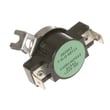
| Heat cuts out or overheats | Temperature control | Dryer high-limit thermostat WE4M137 |
| Dryer shuts heat off for safety | Safety limit | Dryer safety thermostat WE4M160 |
Why it matters
A dryer that is not heating is often a simple electrical or airflow problem, but continuing to run it with restricted venting can cause repeated thermostat failures and longer dry times. Fixing airflow and the correct heating component restores normal performance and helps protect the motor, blower wheel, and wiring.
Helpful DIY guidance
- Use our electric dryer wont heat troubleshooting video to follow a proven diagnostic path before ordering parts.
- If the dryer is taking too long to dry (even with some heat), our dryer takes a long time to dry guide helps you pinpoint venting and airflow issues.
Last updated: January 2026
What brand of dryer has the least problems?
In general, Whirlpool and LG are often rated among the most reliable full-size dryer brands, with GE and Maytag typically a bit higher for service rates. For your GE electric dryer model DBXR453EA0WW, reliability also depends heavily on maintenance, airflow, and replacing wear parts before they fail.
What “least problems” usually means
Most reliability rankings are based on a brand’s service rate (how often units need repair during a set time period). That number can shift by year, model series, and how the dryer is installed and vented.
Common drivers of “problems” across brands include:
- Restricted venting (long dry times, overheating, thermal cutoffs)
- Worn drum support parts (squealing, thumping)
- Belt and idler wear (no tumble, burning rubber smell)
- Lint buildup inside the cabinet (poor airflow, heat issues)
- Door switch or timer wear (won’t start, won’t advance)
How to reduce problems on a GE DBXR453EA0WW dryer
We see the biggest reliability gains from basic airflow and wear-part upkeep.
Start with these steps:
- Clean the lint screen every load and wash it occasionally to remove residue.
- Check airflow at the outside vent hood; weak airflow points to a vent restriction.
- Keep the vent run short and smooth (avoid crushed flex duct).
- If the dryer squeals or thumps, inspect drum slides and felt before they damage the drum.
- If the drum won’t turn, inspect the belt and idler pulley.
Quick “symptom to likely part” guide
| Symptom | Common cause | Example part for this model |
|---|---|---|
| Drum won’t tumble, motor runs | Broken or slipped belt | Drive belt WE03X29897 |
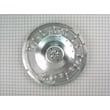
| Squealing or scraping | Worn drum slides or felt seal | Slide drum WE03X37317 |
| Long dry times, hot cabinet | Vent restriction or airflow issue | How to keep a dryer clean and economical |
Why it matters
A dryer brand can rank well overall, but poor airflow and ignored wear parts can make any dryer seem “unreliable.” Keeping your DBXR453EA0WW venting clear and replacing common wear items early prevents the most frequent breakdowns.
Last updated: January 2026
Is 7.4 cubic feet a large dryer?
Yes. A 7.4 cu. ft. drum is considered large capacity for a clothes dryer and it handles big family loads and many bulky items with more tumbling room. Your GE DBXR453EA0WW electric dryer is a 6.0 cu. ft. extra-large capacity model, which is slightly smaller than 7.4 but still roomy for most households.
Capacity categories (where 7.4 fits)
Across most brands (GE, Kenmore, Whirlpool), dryer capacity is commonly grouped like this:
| Drum capacity | Common label | Typical use |
|---|---|---|
| 3.4 to 4.4 cu. ft. | Compact | Small loads, tight spaces |
| 5.0 to 6.5 cu. ft. | Standard to extra-large | Most households, towels, jeans |
| 7.0 cu. ft. and up | Large | Bigger loads, bulky items |
What 6.0 cu. ft. means on DBXR453EA0WW
A 6.0 cu. ft. GE electric dryer like DBXR453EA0WW comfortably handles everyday laundry and many larger loads when you avoid packing the drum tight.
- Best results come from filling the drum about 2/3 full
- Bulky items dry best one at a time (comforter, heavy blanket)
- Mixed loads dry more evenly than all towels or all jeans
Capacity only helps if the dryer tumbles and vents well
If loads take longer than normal, airflow and drum rotation matter as much as drum size.
- Clean the lint screen every load
- Confirm strong airflow at the outside vent hood
- Keep vent runs short and free of lint buildup
- Watch for slipping, thumping, or squealing that points to drum drive wear
If the drum slips or will not tumble consistently, a common wear item to check is the drive belt WE03X29897.
Why it matters
A larger drum reduces wrinkling and improves drying when clothes can lift and drop freely; overloading or restricted venting causes long dry times even in a “large” dryer.
Last updated: January 2026





