

What is the life expectancy of a Kenmore washer?
A Kenmore washer typically lasts 10 to 15 years. For the Kenmore 11092291100, lifespan depends most on load size, how often it runs, and whether wear parts (like the drive coupling and drain pump) are replaced when symptoms first appear.
Typical lifespan by use level
Most top-load washers like the Kenmore 11092291100 fall into these real-world ranges:
- Light use (1 to 3 loads/week): 12 to 15 years
- Average use (4 to 7 loads/week): 10 to 13 years
- Heavy use (8+ loads/week): 7 to 10 years
- Harsh conditions (overloading, frequent unbalanced loads): 5 to 8 years
Parts that most often decide whether the washer reaches 10+ years
When these parts wear, the washer may stop agitating, stop spinning, or stop draining. Replacing them early often extends the washer’s useful life.
- Coupling 285753A (common cause of no-agitate or no-spin on direct-drive style washers)
- Water pump WP3363394 (common cause of no-drain, slow drain, or leaks)
- Clutch 285785 (can affect spin performance and leave clothes wetter)
- Agitator dog 80040 (can cause weak or one-direction agitator action)
- Washer tub gasket W10814296 (helps prevent leaks at the tub)
Quick symptom-to-part guide
| Symptom | Common cause | Part to check |
|---|---|---|
| Agitator moves poorly or “slips” | Worn agitator dogs | Agitator dog 80040 |
| Washer won’t drain | Pump jammed or worn | Water pump WP3363394 |
| Motor runs but washer won’t agitate/spin | Broken drive coupling | Coupling 285753A |
| Spins weakly, burning smell, or slow ramp-up | Worn clutch | Clutch 285785 |
Why it matters
A washer can “seem old” because of one worn mechanical part. On many Kenmore models, replacing a relatively small part (like a coupling or pump) restores normal washing and can add years of service compared with replacing the entire washer.
Last updated: January 2026
What are the parts of a washing machine called?
A Kenmore washer like model 11092291100 is made up of a wash system (tub and agitator), a drive system (motor and transmission/gear case), and a drain system (pump and hoses). These parts work together to fill, wash, spin, and drain your laundry.
Main washing machine parts (common names)
- Washer tub and basket: hold water and clothes; the basket spins to extract water
- Agitator (or wash plate/impeller): moves clothes through water and detergent
- Drive motor: powers agitation and spin
- Gear case (transmission): converts motor motion into agitation and spin movement
- Clutch and coupling: transfer power smoothly from the motor to the drive system
- Water pump (drain pump): removes water during drain and spin
- Lid switch: helps prevent spinning with the lid open
- Suspension springs/plate: stabilize the tub during spin
Examples of parts you can replace on model 11092291100
These are common “named parts” customers look for when troubleshooting:
Quick “name to job” reference
| Part name | What it does | Common symptom when it fails |
|---|---|---|
| Water pump | Drains water out | Washer will not drain, water left in tub |
| Coupling | Connects motor to drive | No agitation and/or no spin |
| Gear case | Drives agitation/spin | Grinding noise, weak agitation, no spin |
| Clutch | Helps basket reach spin speed | Slow spin, wet clothes |
| Lid switch | Allows spin when lid is closed | Won’t spin, may stop mid-cycle |
Why it matters
Using the correct part name makes troubleshooting faster and helps you order the right replacement the first time, especially on older Kenmore top-load washers where multiple drive and drain designs exist.
Last updated: January 2026
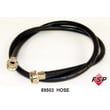
How to unclog drain hose on Kenmore washer?
On Kenmore washer model 11092291100, a clogged drain hose is usually cleared by safely draining any standing water, disconnecting the hose at the pump and at the home drain, then flushing the hose until water runs freely. If the washer still will not drain, the drain pump may be blocked or failing (see water pump WP3363394).
Safety first
- Unplug the washer before servicing.
- Turn off both water supply valves.
- Keep towels and a shallow pan ready for water.
- If you must tip the washer, get help to prevent injury.
Steps to unclog the drain hose
- Drain the tub: If the tub is full, bail water out or lower the drain hose into a shallow pan to siphon what you can.
- Access the pump end: Remove the cabinet or front access area (varies by design) to reach the pump and hose connections.
- Disconnect and inspect: Loosen the clamp and pull the hose off the pump; check for socks, lint, coins, or sludge.
- Flush the hose: Run hot water through the hose from a sink or outdoor spigot. A flexible brush or a small drain snake helps with packed lint.
- Check the standpipe: Make sure the home drain is not clogged and the hose is not shoved too far down the pipe.
- Reinstall correctly: Refit the hose fully on the pump outlet and tighten the clamp; confirm there are no kinks behind the washer.
Quick diagnosis: hose clog vs. pump problem
| What you notice | Most likely cause | What to check next |
|---|---|---|
| Washer hums but drains slowly | Partial hose clog or restricted standpipe | Flush hose; verify standpipe flow |
| No drain and you hear grinding | Debris in pump | Inspect pump inlet; consider water pump WP3363394 |
| Drains sometimes, not always | Intermittent obstruction or weak pump | Check hose routing; inspect pump for wear |
Parts that commonly relate to “won’t drain”
- Water pump WP3363394 (moves water out of the tub)
- Coupling 285753A (connects motor to drive system; some designs can affect agitation/spin symptoms)
- Switch 285671 (a failed switch can interrupt drain/spin on some setups)
Why it matters
A restricted drain hose can cause long cycle times, poor spin performance, and water left in the tub. Clearing the hose and confirming strong flow protects the pump and helps prevent repeat clogs.
Last updated: January 2026
What does F11 mean on my Kenmore washer?
On Kenmore washer model 11092291100, an F11 display is treated as a fault that stops the cycle because the washer is not completing a key step (agitate, drain, or spin). The fastest way to resolve it is to reset power, then troubleshoot based on what the washer was doing when F11 appeared.
What to do first (safe, fast checks)
- Unplug the washer for 2 minutes, then plug it back in and try a short cycle.
- If the tub is full of water, set the washer to drain or spin and listen for the pump.
- Check the drain hose for kinks and make sure the standpipe is not clogged.
- Reduce the load size and redistribute items; an off-balance load can stop the cycle.
- If you smell burning or see smoke, stop using the washer and have it serviced.
Match the code to the symptom you see
| What the washer is doing | Most likely area to check | What to look for |
|---|---|---|
| Won’t drain, water left in tub | Drain system | Clog in pump or hose, pump not running |
| Drains but won’t spin | Drive system | Coupler or clutch slipping, basket not accelerating |
| Motor hums but nothing moves | Motor-to-drive connection | Coupler worn or broken |
| Agitation is weak or intermittent | Agitator components | Worn dogs or cam parts |
Parts that commonly fix the underlying problem
These parts are common causes of “stops mid-cycle” symptoms on this Kenmore direct-drive style washer:
- Water pump WP3363394 if the washer will not drain or drains very slowly.
- Coupling 285753A if the motor runs or hums but the tub and agitator do not move.
- Clutch 285785 if it drains but struggles to reach full spin speed.
- Agitator dog 80040 if the agitator moves one way poorly or slips during wash.
Why it matters
When the washer cannot drain or transfer power through the drive system, it stops to prevent overheating and damage to the motor, gear case, and wiring. Fixing the root cause restores normal wash and spin performance.
Last updated: January 2026