


How to remove filter from a CRAFTSMAN wet dry vac?
On the Craftsman wet/dry vacuum model 113179130, the filter is held on with the Qwik Lock filter fastening system. We unplug the vac, remove the powerhead, then release the Qwik Lock retainer and slide the filter straight off the filter cage; reinstall by seating the filter evenly and locking it back down.
Step-by-step filter removal (model 113179130)
- Unplug the vacuum.
- Release the tank latches and lift off the powerhead (motor lid).
- Find the filter on the underside of the powerhead, centered on the filter cage.
- Release the Qwik Lock retainer (the quick-release fastener at the center of the filter).
- Pull the filter straight off the cage; keep the sealing edge intact.
- Wipe the sealing surface on the cage, then reinstall the filter and secure the Qwik Lock retainer.
Qwik Lock vs. older retainers (what to expect)
| Fastening style | Common on | How it releases |
|---|---|---|
| Qwik Lock filter fastening system | Craftsman 113179130 and similar | Quick-release center retainer; unlock, then lift off |
| Threaded nut or twist cap | Some older shop vacs | Turn counterclockwise to remove |
Tips for best suction and a good seal
- Seat the filter squarely on the cage before locking it; an uneven seal causes dust bypass.
- Lock the Qwik Lock retainer firmly; a loose retainer can reduce airflow.
- For wet pickup, use the correct wet-use setup for your vac; many wet/dry vacs require removing the dry filter before picking up liquids.
Why it matters
Correctly removing and reinstalling the filter keeps dust out of the motor, maintains airflow, and helps your 8-gallon wet/dry vacuum deliver consistent suction.
Related DIY help: are diy appliance repairs safe
Last updated: February 2026
What is the list of vacuum cleaner parts?
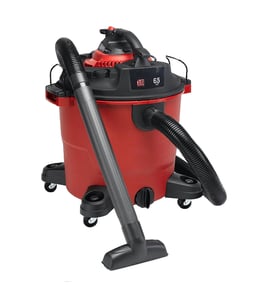
For the Craftsman 113179130 8-gallon wet/dry vacuum, the parts list typically includes the motor and power switch, the collection tank and lid, filtration components, and the airflow path parts (hose, inlet, and exhaust). These are the items we use most often to troubleshoot suction loss, leaks, and no-start problems.
Common parts you will see on an 8-gallon wet/dry vacuum
- Motor (motor assembly) and cooling fan
- Power switch, wiring, and power cord
- Tank (drum/canister), lid, and latches
- Filter (cartridge or foam sleeve, depending on dry vs. wet pickup)
- Float/cage (shutoff float to help prevent overfilling during wet pickup)
- Hose, hose cuffs, inlet port, and any adapters
- Casters/wheels and handle hardware
Quick “parts list” by function
| Function | Parts involved | What happens when it fails |
|---|---|---|
| Power | Cord, switch, wiring | Won’t start, intermittent power |
| Airflow | Hose, inlet, seals/gaskets | Low suction, whistling air leak |
| Filtration | Filter, filter nut/cage | Dust blow-by, clogging, overheating |
| Wet pickup safety | Float and float cage | Early shutoff or water reaching motor |
How we recommend using the parts list to find the right replacement
- Match the model number exactly: 113179130
- Identify whether you are doing wet pickup or dry pickup (filter type matters)
- Check for air leaks first (lid seal, hose cuffs, tank cracks)
- Inspect the filter for clogging or damage before replacing electrical parts
- If it will not start, test the cord and switch before suspecting the motor
Why it matters
Wet/dry vacuums rely on a sealed airflow path and the correct filter setup. A small leak at the lid or a clogged cartridge filter can look like a “bad motor,” so sorting parts by function helps you fix suction and starting issues faster.
For help confirming the exact model number format before ordering, use how to find your appliance model number (and what it means for parts).
Last updated: February 2026
Why is my Craftsman vacuum not suctioning?
Reduced suction on your Craftsman 113179130 8-gallon wet/dry vacuum is almost always caused by a clogged filter, a blockage in the hose or inlet, or an air leak at the lid, hose, or tank seal. Restoring airflow and sealing leaks brings suction back.
Quick checks that fix most no-suction problems
- Unplug the vacuum and empty the tank; an overfilled tank can restrict airflow.
- Remove the hose and check for a clog at the hose ends and the inlet port.
- Inspect the filter; if it is packed with fine dust, clean it or replace it.
- Confirm the lid is seated evenly and the latches are fully engaged.
- Check the hose for splits, crushed sections, or loose cuffs.
- If you used it for wet pickup, make sure the filter and tank are fully dried before dry pickup.
Step-by-step airflow test (fast diagnosis)
- Test at the inlet (no hose): With the hose removed, briefly turn the vacuum on. Strong suction here means the hose or attachments are blocked.
- Test with hose only: If suction drops when the hose is installed, the hose is clogged, kinked, or leaking.
- Check the filter last: If suction is weak even with the hose off, the filter is clogged or installed incorrectly.
Common causes and what to do
| Symptom | Most likely cause | What we do | Why it matters |
|---|---|---|---|
| Motor sounds normal, suction weak | Clogged filter | Clean or replace filter | A restricted filter starves airflow and kills suction |
| Suction OK without hose | Hose/attachment blockage | Clear obstruction, straighten hose | Blocked hose prevents airflow to the nozzle |
| Whistling or air noise at lid | Lid or gasket leak | Reseat lid, inspect seal surfaces | Air leaks reduce vacuum pressure |
| Fine dust everywhere | Filter not sealing | Reinstall filter correctly | Bypass dust can damage the motor over time |
Why it matters
Wet/dry vacuums rely on a sealed airflow path. Any restriction (filter clog) or opening (leak) reduces the pressure difference that creates suction, so cleaning the filter and sealing the lid and hose connections are the highest-impact fixes.
For electrical checks such as verifying power through the switch or cord, use our how to use a multimeter to test electrical parts video.
Last updated: February 2026