Installation guide
 Owner’s manual



What is the capacity of the WFW88HEAW0?
The Whirlpool WFW88HEAW0 washer has a 4.5 cu. ft. capacity, which is a common size for a full-size front-load washer and is designed to handle larger loads like towels, jeans, and bedding more efficiently.
How to confirm capacity for your exact model
We recommend verifying the capacity in the product specifications section of the WFW88HEAW0 owner's manual. That is the best place to confirm the exact cu. ft. rating tied to your model number.
What 4.5 cu. ft. means in everyday loads
A 4.5 cu. ft. front-load washer typically supports:
- A full set of bath towels in one load
- Several pairs of jeans plus shirts
- A medium bedding load (follow cycle guidance for bulky items)
- Better wash action when you avoid packing items tightly
Load sizing tips (helps cleaning and prevents issues)
To get the best results from a high-efficiency Whirlpool washer like the WFW88HEAW0:
- Load items loosely; do not compress laundry into the drum
- Use only HE detergent and measure carefully to avoid oversudsing
- Choose the right cycle (Normal, Towels, Heavy Duty, Sanitize) for the fabric type
- Mix large and small items to help balance during spin
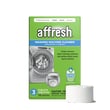
- Run a Clean Washer cycle as recommended to reduce odor buildup
Quick reference table
| Capacity | Best for | Common user benefit |
|---|---|---|
| 4.5 cu. ft. | Medium-to-large household loads | Fewer loads per week, better efficiency |
Why it matters
Capacity affects how much you can wash at once, but performance depends just as much on proper loading, correct cycle selection, and using HE detergent. Overloading can reduce cleaning and increase vibration during spin.
Last updated: January 2026
What's the average lifespan of a whirlpool washing machine?
Most Whirlpool washing machines last 10 to 15 years with normal household use and basic care; many reach the upper end when they are installed correctly, kept level, and maintained to prevent leaks, vibration, and odor. For model WFW88HEAW0, follow the care and operating guidance in the WFW88HEAW0 owner's manual.
What affects washer lifespan the most
A washer’s life is usually determined by vibration control, water system health, and how hard it is worked.
- Keep the washer level so the tub and suspension are not constantly stressed
- Avoid overloading; heavy loads strain the drive system and shocks
- Use HE detergent and the right amount to reduce residue and odor
- Inspect hoses and clamps for seepage; fix small leaks early
- Leave the door ajar between loads to help prevent mildew in front-load models
Maintenance habits that add years
Use these simple routines to reduce wear on key parts like the door boot, drain system, and suspension.
| Habit | How often | What it prevents |
|---|---|---|
| Run a washer-clean cycle (or hot cycle with cleaner) | Monthly | Odor, residue buildup |
| Check for vibration and re-level if needed | Every 3 to 6 months | Premature shock and bearing wear |
| Wipe the door seal and glass | Weekly | Mold, leaks at the door area |
| Check fill hoses for bulges/cracks | Yearly | Hose failure and water damage |
For leveling steps and jam nut adjustment details, use the WFW88HEAW0 installation guide.
When a “worn part” is the real issue (not end of life)
These symptoms often mean a repair can restore performance instead of replacing the washer.
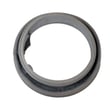
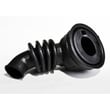
- Water at the front of the washer: inspect the door seal area; the washer bellow W11106747 is a common wear item
- Loud banging or walking: check leveling and suspension; shocks can wear over time
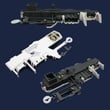
- Won’t lock or stops mid-cycle: door lock/latch problems are common on front-load washers
- Won’t drain: check for clogs and the drain pump area
Why it matters
A front-load washer that is out of level or run with frequent overloads can wear out suspension and drive components faster. Keeping the WFW88HEAW0 stable, clean, and leak-free is the most reliable way to reach the typical 10 to 15 year lifespan.
Last updated: January 2026
What is the most common problem with whirlpool washers?
On the Whirlpool WFW88HEAW0 washer, the most common issues we see are excessive suds (from too much or non-HE detergent), water-supply problems, draining problems, and vibration from leveling or unbalanced loads. These problems often clear up with correct detergent use, hose checks, and proper installation.
Most common issues (and what they look like)
- Excess suds: long cycle times, “Sud” message, poor rinsing; often caused by too much detergent or non-HE detergent.
- Won’t fill or stops: slow/no water entering; commonly tied to closed faucets, clogged inlet screens, or kinked fill hoses.
- Won’t drain or drain errors: water left in the drum; often caused by a restriction in the drain path or a drain hose installation issue.
- Vibration or “walking”: shaking during spin; usually leveling feet not locked, uneven floor, shipping bolts left in place, or an overloaded/unbalanced load.
Quick checks we recommend first
- Use only HE detergent and measure carefully for load size.
- Confirm both hot and cold faucets are fully on and water is flowing.
- Inspect fill hoses for kinks and check inlet valve screens for debris.
- Verify the drain hose is installed correctly (not shoved too far into the standpipe).
- Level the washer and lock the leveling legs; avoid tightly packing loads.
Common symptoms and likely causes
| Symptom | Most likely cause | What to do next |
|---|---|---|
| “Sud” or excessive foam | Too much detergent or non-HE detergent | Reduce detergent; run a rinse/drain routine per the WFW88HEAW0 owner’s manual |
| Won’t fill | Water supply off, clogged screens, kinked hoses | Turn on faucets; clean screens; replace hoses if needed |
| Won’t drain | Drain restriction or drain hose install issue | Check drain path; consider inspecting the washer drain pump WPW10515401 |
| Shakes/walks | Not level, load too large, shipping bolts | Level and lock feet; reduce load; follow the WFW88HEAW0 installation guide |
Why it matters
These “most common” problems are often setup or maintenance related. Fixing detergent use, water supply, and leveling helps prevent repeat errors, reduces wear on the drain pump and suspension, and improves cleaning performance.
Last updated: January 2026