Owner’s manual



What was special about wm2016cw?
The LG WM2016CW washer was special because it combined simple, “press and go” style controls with a quiet, durable direct-drive design (no belt) and automatic load sensing that adjusts water level and wash time for each load. Details and cycle features are listed in the WM2016CW owner's manual.
Key features that made WM2016CW stand out
- Direct-drive motor design that delivers power to the drum without a belt (typically quieter and fewer wear parts)
- Automatic load sensing that helps optimize water level and cycle time
- LED display that shows cycle status, options, and estimated time remaining
- High-efficiency (HE) detergent design for better performance with less water
- Useful cycle options such as Quick Cycle, Rinse+Spin, and Prewash
What you can expect from the core specs
These are the model-specific specs called out for WM2016CW.
| Spec | WM2016CW value |
|---|---|
| Type | Front-loading washer |
| Electrical | 120V, 60Hz |
| Capacity | 3.03 cu. ft. (IEC 3.50 cu. ft.) |
| Max spin speed | 1100 rpm |
| Water pressure range | 14.5 to 116 psi |
Why it matters
Those features translate into practical benefits: fewer moving parts in the drive system, strong spin performance (helping reduce dryer time), and more consistent results because the washer adjusts to the size and weight of each load.
Related help for common LG washer issues
If you are troubleshooting balance or spin problems on an LG washer, our LG front load washer error codes resource helps you match symptoms to likely causes (load size, leveling, drain issues, and more).
Last updated: January 2026
Do LG washers have a filter that needs to be cleaned?
Yes. Your LG WM2016CW front-load washer uses a drain filter (drain pump filter) that should be cleaned periodically to help prevent slow draining, standing water, and drain-related error codes; our WM2016CW owner's manual specifically calls out cleaning the drain filter as part of troubleshooting and maintenance.
Where the filter is and what it does
The drain pump filter catches lint, coins, and small items before they reach the drain pump. Keeping it clear helps protect the drain pump and improves drain performance.
Common signs the filter needs cleaning:
- Water drains slowly or not at all
- Water remains in the drum after the cycle
- The washer stops mid-cycle during drain
- You notice a musty odor from trapped debris
- You recently washed items that shed heavily (towels, pet bedding)
How to clean the drain pump filter (safe, practical steps)
- Unplug the washer.
- Place a shallow pan and towels at the front bottom of the washer.
- Drain any remaining water slowly (use the small drain hose if your unit has one).
- Unscrew the filter cap, remove debris, and rinse the filter.
- Reinstall the filter firmly to prevent leaks.
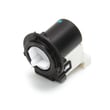
If the washer still will not drain after cleaning, the drain pump may be jammed or failing; the model-matched part is the laundry appliance drain pump 4681EA2001T.
Cleaning frequency (what we recommend)
Most households do best with a quick filter check every 1 to 3 months, and sooner if you wash heavily soiled loads.
| Usage pattern | Filter check interval |
|---|---|
| Light use (few loads/week) | Every 3 months |
| Average use | Every 1 to 2 months |
| Heavy use, pet hair, lots of lint | Monthly |
Why it matters
A clogged drain filter can mimic bigger problems (like a bad drain pump or kinked drain hose). Cleaning it first is the fastest, lowest-cost way to restore normal draining and reduce strain on the washer motor and pump.
Last updated: January 2026
What is the lifespan of a LG washer?
Most LG washers last 10 to 15 years with normal household use. For the LG WM2016CW, routine care like using HE (High Efficiency) detergent, keeping the door gasket clean, and running periodic tub-clean cycles helps you reach the high end of that range (details in the WM2016CW owner's manual).
What affects washer life the most
- Detergent choice: This LG washer is designed for HE detergent; regular detergent can cause oversudsing and poor performance.
- Cleaning and maintenance: Keeping the door opening and gasket clean supports a watertight seal.
- Drain system care: Cleaning the drain filter helps prevent slow draining and pump strain.
- Load habits: Avoid chronic overloading; it increases wear on the motor, tub, and suspension.
- Fast response to symptoms: Address leaks, grinding noises, or repeated error codes early.
Maintenance schedule we recommend
| Task | How often | Why it helps |
|---|---|---|
| Wipe door glass and gasket | Weekly | Reduces odor, mold, and seal wear |
| Run a hot cleaning cycle (tub clean) | Monthly | Helps keep the interior clean |
| Clean the drain filter | Every 1 to 3 months | Prevents drain problems and pump stress |
| Check fill hoses and connections | Twice a year | Helps prevent leaks and water damage |
Parts that commonly impact longevity
If your washer won’t drain, drains slowly, or leaves water in the tub, these model-matched parts are common fixes:
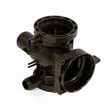
- Laundry appliance drain pump 4681EA2001T (drain pump motor)
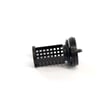
- Washer drain pump filter 383EER2001A (coin trap style filter)
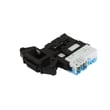
- Washer door lock switch EBF49827801 (door lock issues can stop cycles)
Why it matters
A front-load washer like the LG WM2016CW can run for years longer when we prevent oversudsing, keep the tub and gasket clean, and protect the drain pump from clogs. Those steps reduce the most common causes of early breakdowns.
Last updated: January 2026
What is the most common problem with the LG washing machine?
For the LG WM2016CW washer, the most common day-to-day complaint we see is “won’t drain” or “won’t spin,” and the first thing to check is a restricted drain path (especially a clogged drain pump filter) or an unbalanced load that prevents proper spinning. See the troubleshooting section in the WM2016CW owner's manual.
Quick checks first (most fixes take 10 to 20 minutes)
- Unplug the washer for safety.
- Check the drain pump filter area for lint, coins, and small items.
- Make sure the load is not bunched on one side; redistribute and try Spin/Drain.
- Confirm the door closes fully; a door that is not fully latched can stop spinning.
- Use only HE detergent; too much or the wrong detergent can cause excessive suds and poor draining.
What to inspect based on the symptom
| Symptom | Most likely cause | What to do next |
|---|---|---|
| Won’t drain | Clogged filter or pump restriction | Clean the filter; check hoses for kinks; inspect the pump area |
| Won’t spin | Unbalanced load | Add 1 to 2 similar items, then restart spin |
| Stops mid-cycle with lots of suds | Too much detergent or non-HE detergent | Run a rinse cycle; switch to HE and reduce amount |
| Door won’t lock or unlock | Door lock issue | Check latch alignment; test the lock assembly |
Parts that commonly relate to “not draining”
If cleaning the filter and checking the drain hose does not restore draining, these model-matched parts are often involved:
- Washer drain pump filter 383EER2001A (clogs can block water flow)
- Laundry appliance drain pump 4681EA2001T (pump motor can fail or jam)
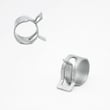
- Washer hose clamp 4861FR3068A (loose clamps can cause leaks after service)
Why it matters
A washer that cannot drain usually cannot spin; that leaves clothes soaking wet and can trigger repeated cycle interruptions. Fixing the drain restriction early also helps prevent pump damage and reduces odor and residue buildup.
Last updated: January 2026