Installation guide
 Owner’s manual


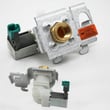
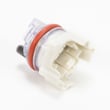
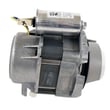
What's the average lifespan of a KitchenAid dishwasher?
Most KitchenAid dishwashers last 10 to 14 years with normal household use; your KitchenAid KUDI02FRSS1 typically reaches the high end of that range when it is installed correctly and kept up with routine care from the KUDI02FRSS1 owner's manual.
What affects lifespan the most
- Water quality (hard water speeds up mineral buildup on the heater and internal parts)
- How often you run it (daily use wears pumps, seals, and racks faster)
- Cleaning and maintenance (filters, spray arms, and door seals)
- Detergent and rinse aid habits (too much detergent can cause residue and leaks)
- Fixing small issues early (a minor drain problem can turn into pump damage)
Maintenance habits that help you get the full 10 to 14 years
Use these as a simple monthly and quarterly routine:
| Task | How often | What it prevents |
|---|---|---|
| Clean the filter area and sump | Monthly | Poor cleaning, odors, drain clogs |
| Check spray arm holes for debris | Monthly | Weak wash pressure, redepositing soil |
| Wipe and inspect the door seal | Monthly | Leaks, moisture damage |
| Run a dishwasher cleaner cycle | Quarterly | Grease and mineral buildup |
Parts that commonly drive “end of life” decisions
When a dishwasher is nearing the end of its service life, these are the components we most often see causing no-drain, no-wash, or no-heat complaints:
- Drain system issues (pump or hose), including the dishwasher drain pump WPW10348269
- Circulation motor or sump problems
- Heating problems (heater circuit, controls)
- Door sealing and leak issues
- Electronic control failures
Why it matters
A dishwasher that is maintained and repaired early usually runs quieter, cleans better, and avoids secondary damage (for example, a slow drain can strain the drain pump and leave standing water that causes odors).
Last updated: February 2026
What are the commonly replaced parts in a dishwasher?
For KitchenAid dishwasher model KUDI02FRSS1, the most commonly replaced parts are the wash and drain components, water-fill parts, door sealing and hinge items, and a few key electrical parts. These parts wear from normal use, clogs, mineral buildup, and heat, and they directly affect cleaning, draining, and leak prevention.
Commonly replaced parts (and what they affect)
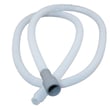
- Drain system: drain pump, drain hose, clamps; fixes standing water and slow draining
- Wash system: circulation pump motor, spray arm, sump seals; fixes poor cleaning and weak spray
- Water fill: inlet valve; fixes no-fill or under-fill problems
- Heating and drying: heater element; fixes poor drying and cool wash water
- Door and leak prevention: door seal, vent gasket; fixes leaks and moisture escaping
- Controls and power: electronic control, fuse, wire harness; fixes no power, dead panel, or erratic operation
- Racks and rollers: upper roller assemblies, dishrack; fixes rack derailment and loading issues
Model-matched examples for KUDI02FRSS1
| Symptom | Likely part area | Example part for this model |
|---|---|---|
| Won’t drain or leaves water | Drain system | Dishwasher drain pump WPW10348269, dishwasher drain hose |
| Not cleaning well | Wash system | Dishwasher spray arm, circulation pump motor |
| Not drying | Heating | Dishwasher heater element |
| Leaking at the door | Door sealing | Door seal, vent gasket |
| No power or won’t run | Electrical | Fuse, electronic control |
Quick checks that prevent repeat failures
- Clean out food debris so it cannot restrict the sump and pump area.
- Confirm the spray arm spins freely and its holes are not plugged.
- Use the right detergent amount; excess suds can cause poor wash results and leaks.
- If you have hard water, remove mineral film buildup during routine care.
- After any repair, run a short cycle and watch for drips around the door and under the unit.
Why it matters
Dishwashers usually fail in a few “high-stress” systems: moving water (pumps, spray), heating water (heater), sealing water (gaskets), and managing power (control and fuse). Replacing the correct part restores performance and helps prevent secondary damage like leaks or overheating.
For part locations, wiring routing, and service-safe disassembly steps, use the KUDI02FRSS1 owner’s manual and the KUDI02FRSS1 installation guide.
Last updated: February 2026
What is the most common problem with a KitchenAid dishwasher?
For the KitchenAid KUDI02FRSS1 dishwasher, the most common problems we see are not cleaning well, not draining, leaking, and not starting. These usually trace back to restricted water flow (spray arms or sump area), a drain path blockage, worn door sealing surfaces, or a power/control issue.
Most common symptoms and what they usually mean
- Dirty dishes or grit left behind: spray arm ports blocked, sump area dirty, or weak circulation.
- Standing water in the bottom: drain hose restriction, drain pump issue, or a clogged air gap/garbage disposer inlet.
- Water leaking at the door: door seal not sealing, door not closing squarely, or debris on the sealing surface.
- No heat or poor drying: heating circuit issue, rinse aid not used, or heat disabled by a fault.
- Dead or unresponsive controls: power supply problem, blown thermal fuse, or electronic control failure.
Quick checks we recommend first (fast, no parts)
- Cancel the cycle and start a drain; listen for the drain pump running.
- Check the sink drain and disposer for a clog where the dishwasher drain connects.
- Inspect the door sealing area; wipe the tub lip and seal so it can seat fully.
- Run hot water at the sink for 30 to 60 seconds before starting a cycle.
- Review cycle and drying options in the KUDI02FRSS1 owner’s manual.
Parts that commonly fix these issues on KUDI02FRSS1
| Symptom | Common part to check | What it does |
|---|---|---|
| Not draining | Dishwasher drain pump WPW10348269 | Pumps water out through the drain hose |
| No power or intermittent power | Fuse W10258275 | Protects the control circuit from overheating |
| Not filling | Inlet valve WPW10158389 | Opens to let water into the dishwasher |
| Poor drying or no heat | Heater element WPW10082892 | Heats water and supports heated drying |
| Leaking at door | Door seal (W11196317) | Seals the door to the tub during operation |
Why it matters
These symptoms often overlap. For example, a partial drain restriction can cause poor cleaning (dirty water recirculates) and odors. Starting with the simple checks helps you avoid replacing good parts and gets the dishwasher back to normal cycle performance faster.
Helpful DIY references
- Use KitchenAid he dishwasher error codes to match any blinking lights or fault patterns to the most likely cause.
Last updated: February 2026
Can I replace dishwasher parts myself?
Yes, for KitchenAid dishwasher model KUDI02FRSS1, we can replace many common parts ourselves if we shut off power and water first and follow the correct steps. Rack, seal, and drain-related repairs are usually DIY-friendly; wiring, controls, and pump work take more care and time.
Good DIY repairs vs. better left to a pro
Many repairs are straightforward once we confirm the procedure in the KUDI02FRSS1 installation guide.
- Usually DIY-friendly: dishrack rollers, door gasket, spray arm, drain hose
- Moderate difficulty: drain pump, inlet valve, heater element
- Higher risk/complexity: electronic control, wire harness, circulation pump motor
| Repair type | What you typically remove | Skill level | Common risk |
|---|---|---|---|
| Mechanical (racks, stops, links) | Racks, clips, rails | Easy | Broken plastic tabs |
| Water path (drain/fill/heating) | Toe panel, hoses, clamps | Medium | Leaks if seals/clamps are off |
| Electrical (controls, harness) | Console, terminal box access | Advanced | Shock risk, miswiring |
Safety steps we follow every time
The manual and install instructions emphasize safe installation and electrical grounding. Use these basics before any repair:
- Turn off power at the breaker (do not rely only on the door switch)
- Shut off the water supply under the sink
- Pull the dishwasher out carefully; do not push on the console or front panel
- Keep the unit secured to prevent tipping when the door is opened
- If the hot water hasn’t been used for 2+ weeks, run hot faucets for several minutes before starting the dishwasher
Parts that commonly solve the problem
If the symptom matches, these model-compatible parts are common fixes:
- Not draining: dishwasher drain pump WPW10348269, dishwasher drain hose 8269144A
- Not filling: inlet valve WPW10158389
- Not drying: heater element WPW10082892
- No power or dead panel: fuse W10258275, dishwasher electronic control WPW10084141
Why it matters
DIY replacement can restore cleaning and draining performance and prevent water damage from leaks. The key is matching the symptom to the correct part and reinstalling hoses, clamps, and seals so the dishwasher runs safely and stays watertight.
Last updated: February 2026