
Are McCulloch chainsaws good quality?
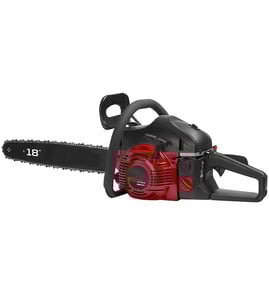
Mcculloch gas chainsaws like model MAC are built for solid homeowner-level cutting performance when they are maintained correctly. In real-world use, “good quality” usually comes down to reliable starting, steady chain speed under load, and durable wear parts (bar, chain, sprocket, air filter) that are kept in spec.
A quality chainsaw is one that starts consistently, cuts straight, and holds up to heat, vibration, and dirty conditions.
- Starts within a few pulls when cold and warm
- Idles without the chain creeping
- Accelerates cleanly without bogging
- Oils the bar and chain consistently
- Maintains compression and power over time
- Has controls and handles that reduce fatigue (ergonomics)
These checks tell you more than a brand label.
| Check | What you want to see | What it suggests if it fails |
|---|---|---|
| Cold start | Starts and stays running with choke sequence | Fuel, carburetion, or ignition issue |
| Idle | Stable idle, chain does not move | Clutch, idle speed, or air leak |
| Full throttle cut | Strong pull through wood, minimal bog | Dull chain, fuel delivery, or muffler restriction |
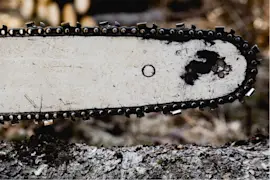
| Bar oiling | Oil line on wood/cardboard test | Oiler, oil pickup, or clogged ports |
Most “quality” complaints trace back to maintenance items, not the core saw. A sharp chain, clean air filter, correct fuel mix, and proper bar oiling protect the engine and keep cutting performance consistent.
- Use fresh, properly mixed fuel and don’t store it long-term in the tank
- Keep the air filter clean so the engine does not run rich and lose power
- Sharpen the chain often; a dull chain overheats the bar and stresses the clutch
- Clean the bar groove and oil holes to prevent premature bar wear
- Check chain tension frequently (especially on a new chain)
For help confirming you have the correct model identification before ordering wear parts, use how to find your appliance model number (and what it means for parts).
Last updated: February 2026
How do I know what model McCulloch chainsaw I have?
To identify your Mcculloch chainsaw model, start by finding the model identification stamp or tag on the saw body. On many Mcculloch saws, the model is stamped into the crankcase (often on the underside), and those stamped numbers are the most reliable way to match the correct parts and diagrams.
Check these common locations before you start ordering parts:
- Underside of the crankcase or engine housing (look for stamped letters and numbers)
- Near the bar mount area (behind the clutch cover/side cover)
- Starter housing area (recoil starter side)
- Rear handle or fuel tank housing (sometimes a label plate)
- Around the muffler side of the engine case
Mcculloch identification can include more than one number. Capture everything you see.
| What to record | Example format | Why it matters |
|---|---|---|
| Model name/number | MAC 3516 | Matches the correct parts breakdown |
| Product/Type code | 11-600035-17 | Narrows down the exact version |
| Serial number | Varies | Helps confirm production run/version |
Small differences in a gas chainsaw version can change the carburetor, ignition module, fuel lines, or bar and chain fit.
- Clean the area first; oil and sawdust can hide stamped characters
- Copy the number exactly, including dashes
- If you see multiple numbers, record all of them (model, type, serial)
- Match the numbers to the parts list for your exact version, not just the “MAC 3516” family name
- If the tag is missing, use the stamped crankcase numbers as your primary ID
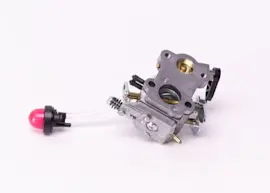
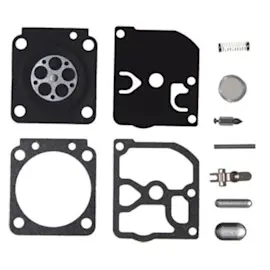
Your Mcculloch MAC-SERIES chainsaw can have multiple revisions under the same general name. Using the full model and type code helps ensure you get compatible wear items (spark plug, air filter, fuel filter) and repair parts (carburetor parts, primer bulb, clutch, chain brake components).
For additional help with identification and ordering, use how to find your appliance model number (and what it means for parts).
Last updated: February 2026
What is the average lifespan of MAC?
A Mcculloch gas chainsaw like model MAC typically lasts 8 to 12 years with normal homeowner use and routine maintenance. Heavy, frequent cutting and poor fuel practices shorten life; clean fuel, sharp chain, and regular service extend it.
- Fuel quality and storage: fresh, properly mixed fuel; drain or stabilize for storage
- Air filtration: a clean air filter prevents cylinder and piston wear
- Chain sharpness and bar condition: a dull chain overworks the engine and clutch
- Cooling and lubrication: clean cooling fins, correct bar-and-chain oil flow
- Vibration and fasteners: loose mounts and hardware accelerate wear
| Use pattern | Typical lifespan | What usually wears first |
|---|---|---|
| Occasional homeowner (storm cleanup, small trees) | 10 to 12 years | fuel lines, primer bulb, bar/chain |
| Regular property maintenance (weekly/seasonal) | 8 to 10 years | clutch, sprocket, carburetor parts |
| Heavy use (frequent long cuts) | 5 to 8 years | top-end engine wear, crank seals |
- Run the correct 2-cycle oil mix ratio for your saw and avoid old fuel
- Clean/replace the air filter regularly
- Keep the chain properly tensioned and sharpened; dress the bar rails
- Verify bar-and-chain oiling is working every time you cut
- Inspect and replace cracked fuel lines and a hardened primer bulb promptly
Lifespan is mostly about engine wear and heat. A sharp chain, clean air filter, and fresh fuel reduce load and temperatures, which protects the piston, cylinder, clutch, and crank seals.
For help confirming the exact model identification on your saw before ordering maintenance items, use [how to find your appliance model number (and what it means for parts)].
Last updated: March 2026