 Error Codes



How long should a Hotpoint tumble dryer last?
A Hotpoint tumble dryer such as model NJLR473ET0WB typically lasts 10 to 15 years with normal household use. Keeping airflow strong (clean lint system and venting) and fixing wear parts early helps the dryer heat properly and reduces strain on the motor and drum support.
What affects dryer lifespan most
- Airflow restrictions (lint screen, blower housing, vent duct) that cause overheating and long dry times
- Drum support wear (glides, bearings) that increases friction and noise
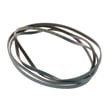
- Drive system wear (idler pulley, belt) that causes squealing or slipping
- Overloading that stresses the drive motor and drum supports
- Skipped cleaning that lets lint build up around the heater and blower
Maintenance schedule we recommend
| Task | How often | What it prevents |
|---|---|---|
| Clean lint screen | Every load | Long dry times, overheating |
| Check vent airflow at outside hood | Monthly | Poor drying, high heat |
| Clean vent duct (full run) | Every 6 to 12 months | Overheating, shutdowns |
| Listen for squeal/grind and inspect drum supports | As needed | Drum damage, motor strain |
Parts that commonly wear out first (and what symptoms look like)
- Squealing or chirping: often points to the dryer idler pulley WE12X83
- Thumping, scraping, or rough drum rotation: can involve the dryer drum bearing kit WE25M40
- Weak airflow or rumbling from the blower area: may involve the blower wheel (lint buildup can mimic a bad wheel)
- No heat or intermittent heat: can involve the heating circuit (thermostat, heater, wiring)
Why it matters
A dryer that is taking longer to dry is usually running hotter and longer than it should. That extra heat time accelerates wear on the heating system, drum bearings, and drive motor, which shortens overall service life.
For airflow-related issues and long dry times, we follow the same steps outlined in dryer takes a long time to dry.
Last updated: February 2026
What does F13 mean on my Hotpoint washer/dryer?
On a Hotpoint laundry center, F13 typically points to a dryer temperature-sensing problem (the dryer is not reading temperature correctly, so it may stop heating or end cycles early). For model NJLR473ET0WB, start by checking airflow and the heating circuit components that protect and control temperature.
What you’ll notice with an F13 temperature-sensing fault
- Clothes stay damp or take much longer than normal to dry
- Dryer runs but heat is weak or cuts in and out
- Cycle ends early or seems to “stall” on timed dry
- Dryer area smells hot, or the cabinet feels hotter than usual
- Lint screen has heavy buildup or airflow at the outside vent is weak
Quick checks we recommend first (no parts swapping)
- Clean the lint screen and confirm it is not coated with fabric softener residue.
- Check the vent path (dryer outlet to outside hood) for kinks, crushed flex duct, or lint blockage.
- Run a short timed cycle and verify strong airflow at the outside vent.
- If airflow is good but heat is still inconsistent, move to component testing.
Parts that commonly affect dryer temperature sensing and heating
If the dryer is overheating or not heating, these parts are common suspects on many Hotpoint dryers:
| Symptom | Most likely area | Example part for this model |
|---|---|---|
| No heat or heat drops out | Heater circuit | Dryer heating element assembly WE11X103 |
| Overheats, then shuts heat off | Safety limit protection | Dryer safety thermostat WE4X800 |
| Runs but airflow is weak, drying is slow | Air movement | Dryer blower wheel WE16M15 |
Why it matters
A temperature-sensing fault is often triggered by restricted airflow or a failing heat-protection component. Fixing the root cause helps prevent repeat shutdowns, long dry times, and overheating stress on the heating element and wiring.
Related DIY help
For step-by-step airflow and drying performance tips, use our guide: dryer takes a long time to dry.
Last updated: February 2026
Why is my Hotpoint dryer not blowing heat?
If our Hotpoint dryer model NJLR473ET0WB runs but doesn’t heat, the most common causes are restricted airflow (lint buildup or vent blockage) or a failed heating component such as the heater, safety thermostat, or motor-driven blower system that moves air through the drum.
Quick checks we recommend first
- Clean the lint screen and confirm it isn’t coated with fabric softener residue.
- Check airflow at the outside vent hood; it should be strong and steady.
- Inspect the vent hose for kinks, crushing, or long runs with many elbows.
- Try a timed dry cycle; some auto cycles reduce heat if airflow is poor.
- If the drum turns but airflow is weak, suspect the blower wheel or drive system.
Likely causes and what they look like
| Symptom | Most likely cause | What to check next |
|---|---|---|
| No heat, normal airflow | Failed heater circuit | Test/inspect the dryer heating element assembly WE11X103 |
| No heat, dryer shuts off early | Overheat protection opening | Check the dryer safety thermostat WE4X800 and venting |
| Weak airflow, long dry times | Blower issue or blockage | Inspect the dryer blower wheel WE16M15 and vent path |
| Drum turns, squealing or thumping | Belt support drag | Check the dryer idler pulley WE12X83 and drum supports |
What to do if it’s gas vs. electric
We see “no heat” on both types, but the failure points differ:
- Electric dryers: heating element and thermostats are the usual suspects.
- Gas dryers: ignition and gas valve components are common (even with a good motor and airflow).
If you’re not sure which you have, check the power connection: electric typically uses a large 240V cord; gas typically uses a standard 120V plug plus a gas line.
Why it matters
A clogged vent or weak airflow can make the dryer seem like it “isn’t heating,” and it can also trip safety thermostats, increase dry times, and strain the motor and heater. Keeping airflow strong is the fastest way to restore heat performance.
For step-by-step airflow and drying-time fixes, use dryer takes a long time to dry and how to clean and maintain your clothes dryer.
Last updated: February 2026





