 Installation guide
 Owner’s manual



Can a clogged drain cause an FTD error?
Yes. On the GE DDT700SMN3ES dishwasher, an FTD (fail to drain) error commonly happens when water cannot leave the tub because the drain path is restricted, such as a clogged air gap, disposer connection, filter area, or a kinked/blocked drain hose.
What to check first (fast drain-path checks)
- Turn the dishwasher off, then check for standing water in the bottom of the tub.
- If your setup has an air gap, remove the cover and clean it (a clog here can stop draining). See the DDT700SMN3ES owner's manual.
- If the dishwasher drains into a garbage disposer, run the disposer to clear it.
- Confirm the kitchen sink drains normally; a slow sink often points to a plumbing restriction.
- Inspect the drain hose for kinks, crushing, or a blockage.
- Verify the drain line is installed correctly (high drain loop or air gap as required). See the DDT700SMN3ES installation guide.
Parts that can be involved if the drain path is clear
If the drain path is open but the dishwasher still will not drain, a failed drain component is the next likely cause.
| Symptom | Most likely area | Example part for this model |
|---|---|---|
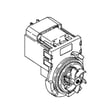
| Hums but water stays in tub | Drain pump not pumping | Dishwasher drain pump WD19X25461 |
| Drains slowly or intermittently | Partial blockage in hose or air gap | Drain hose, air gap, disposer inlet |
| Drains but leaves water behind | Filter area needs cleaning | Filters and sump area |
Why it matters
A restricted drain can leave dirty water in the tub, trigger repeated FTD errors, and reduce cleaning performance. Keeping the air gap and filters clean and the drain hose properly routed prevents most drain-related faults.
Last updated: February 2026
What is the most common problem with a GE dishwasher?
The most common GE dishwasher problem is a drain-related issue: water left in the bottom because the filter area, drain path, or drain pump is restricted. On the GE DDT700SMN3ES, we also commonly see “won’t start” symptoms tied to power, a locked control panel, or a door latch that is not fully engaging (see the DDT700SMN3ES owner’s manual).
Quick checks we recommend first (no parts)
- Reset power: trip the breaker off and back on (or replace a blown fuse if applicable).
- Confirm any wall switch feeding the dishwasher is ON (common near a disposer switch).
- Make sure the control panel is not locked.
- Check for suds from wrong detergent; use only automatic dishwasher detergent.
- Verify the door closes firmly and latches; do not slam.
- If it will not drain, check for a kinked or clogged drain hose.
Common symptoms and the most likely causes
| Symptom | Most likely cause | What to do next |
|---|---|---|
| Water left in tub | Clog in filter/drain path, weak drain pump | Clear obstructions; if still weak/no drain, test/replace the dishwasher drain pump WD19X25461 |
| Won’t start or stops | Breaker/wall switch off, control lock, door not latched | Restore power, unlock controls, inspect latch alignment; replace latch if it will not hold closed |
| Poor cleaning | Spray arm ports blocked, low water flow | Clean spray arm holes; inspect and replace the dishwasher spray arm, lower WD22X33499 if cracked/warped |
| Suds/overflow | Wrong detergent or rinse aid spill | Switch to automatic detergent; wipe spills; cancel/drain per manual steps |
Why it matters
Drain and wash performance problems often cascade: a partial clog can leave dirty water in the sump, reduce spray pressure, and trigger longer cycles or stopping mid-cycle. Fixing the restriction early helps protect the wash pump, heater, and control system.
When to use a troubleshooting guide
If your display shows an error code or the dishwasher cancels a cycle after detecting a leak, use the GE electronic dishwasher error codes guide to match the code to the next best check.
Last updated: February 2026
What if I can't find my part on Sears PartsDirect?
If you can’t find a part for your GE DDT700SMN3ES dishwasher, we recommend confirming the full model number and then using the diagrams and part lists tied to that exact model. When the part still doesn’t show up, we use the manual and installation details to narrow the correct replacement.
Quick checks that usually solve it
- Match the model number exactly: DDT700SMN3ES (letters and numbers matter)
- Look for the model/serial tag on the left-hand tub wall just inside the door
- Search by the part name (example: drain hose, door latch, inlet valve) instead of a partial number
- Check for alternate descriptions (example: “wash pump main asm” vs. wash pump)
- Use the diagrams to confirm where the part sits before ordering
Use the documentation to identify the right part
Your documentation often lists installation hardware, connection sizes, and component names that help confirm what you need.
- For installation-related items (drain hose routing, clamps, brackets), use the DDT700SMN3ES installation guide.
- For part names, care/cleaning items, and where to find the model tag, use the DDT700SMN3ES owner's manual.
Common “hard to find” items for this model
| What you’re trying to replace | What to verify first | Example part we stock for this model |
|---|---|---|
| Not draining | Kinked hose, disposer plug removed, drain path clear | Dishwasher drain pump WD19X25461 |
| Not filling | Water supply on, inlet screen clear, proper fill symptoms | Dishwasher water inlet valve WD15X26078 |
| Won’t start or stops mid-cycle | Door closes and latches firmly | GE dishwasher door latch lock WD21X10490 |
Why it matters
Dishwasher parts are model-specific; even small differences in GE dishwasher series can change the correct pump, latch, spray arm, or hose connection. Using the exact DDT700SMN3ES documentation prevents ordering a look-alike part that won’t fit.
Last updated: February 2026
What are the commonly replaced parts in a dishwasher?
In the GE DDT700SMN3ES dishwasher, the most commonly replaced parts are the wash and drain components, door-latching and sealing parts, and wash-system items that clog or wear. We also see heating and control-related parts replaced when the unit will not heat, drain, or start reliably.
Commonly replaced dishwasher parts (and what they affect)
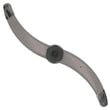
- Spray arms: poor cleaning, weak spray, or spinning issues (example: dishwasher spray arm, lower WD22X33499).
- Drain system parts: standing water, slow drain, or drain noise (example: dishwasher drain pump WD19X25461 and the drain hose).
- Water fill parts: not filling, underfilling, or no wash action (example: dishwasher water inlet valve WD15X26078).
- Door latch and door sealing: will not start, stops mid-cycle, or leaks (example: GE dishwasher door latch lock WD21X10490 and the tub gasket).
- Heating and drying parts: poor drying or cool water (example: element heat WD05X35098).
- Wash circulation parts: weak wash pressure or intermittent cleaning (wash pump and sump/seal assemblies).
- Sensors and controls: odd behavior, error conditions, or cycle problems (pressure sensor, control board, harness/fuse).
Quick troubleshooting: symptom to likely part
| Symptom | Most common part areas | Example part for this model |
|---|---|---|
| Dishes not clean | Spray arms, wash pump, sump/seals | Lower spray arm, wash pump main asm |
| Water left in tub | Drain pump, drain hose, blockage | Drain pump WD19X25461 |
| Won’t start or stops | Door latch, control lock, power | Door latch lock WD21X10490 |
| Not drying well | Heating element, venting, rinse aid | Element heat WD05X35098 |
| Not filling | Inlet valve, supply issue | Water inlet valve WD15X26078 |
Why it matters
Replacing the right part first saves time and prevents repeat failures. For example, a “won’t run” complaint can be as simple as a tripped breaker or a locked control, but it can also point to a door latch that is not proving the door closed.
Before you order parts
- Disconnect power before any inspection or maintenance.
- Check for simple causes first: control lock, wall switch (if used), and breaker/fuse.
- Clean filters and confirm spray arms spin freely and are not clogged.
- Use the troubleshooting and safety guidance in the DDT700SMN3ES owner’s manual.
Last updated: February 2026
Can you buy replacement parts for a dishwasher?
Yes. You can buy replacement parts for your GE DDT700SMN3ES dishwasher to fix common problems like not draining, not cleaning, leaking, or not starting. We recommend matching parts to your exact model number so the fit, electrical connections, and water seals are correct.
Common dishwasher parts you can replace
For the GE DDT700SMN3ES, these are some of the most frequently replaced items:
- Drain components (for standing water or slow draining)
- Wash and spray components (for poor cleaning)
- Door latch and seals (for leaks or a door that will not start the cycle)
- Water fill components (for not filling or weak wash)
- Heating and drying components (for poor drying)
Model-matched examples for GE DDT700SMN3ES
These parts are available for this model and cover several top symptoms:
- Not draining: dishwasher drain pump WD19X25461
- Not cleaning well: dishwasher spray arm, lower WD22X33499
- Door will not latch or unit will not start: GE dishwasher door latch lock WD21X10490
- Not filling: dishwasher water inlet valve WD15X26078
- Not drying: element heat WD05X35098
How to make sure you order the right part
Use these checks before you buy:
- Confirm the full model number (DDT700SMN3ES) from the label on the left-hand tub wall just inside the door.
- Compare the part ID on the listing to the part you are replacing.
- Match the symptom to the system (drain, fill, wash, heat, or door).
- Review any diagnostic steps and safety notes in the DDT700SMN3ES owner’s manual.
Quick symptom-to-part guide
| Symptom | Most likely system | Example part for this model |
|---|---|---|
| Water left in tub | Drain | WD19X25461 drain pump |
| Dishes dirty | Wash/spray | WD22X33499 lower spray arm |
| Will not start | Door latch/control | WD21X10490 door latch lock |
| No/low water fill | Fill | WD15X26078 water inlet valve |
| Poor drying | Heat | WD05X35098 heating element |
Why it matters
Dishwashers are water-heating appliances, so using the correct replacement part helps prevent leaks, electrical issues, and repeat failures. For installation and service access guidance, follow the DDT700SMN3ES installation guide.
Last updated: February 2026
Can I replace dishwasher parts myself?
Yes, for GE dishwasher model DDT700SMN3ES, we can replace many common parts ourselves (like spray arms, a drain hose, or a door latch) as long as we shut off power and water first and follow the steps in the DDT700SMN3ES installation guide and DDT700SMN3ES owner's manual.
What you can usually DIY vs. what to treat as advanced
Many repairs are straightforward “remove and replace” jobs; others involve electrical testing, leak checks, or tight plumbing connections.
- Good DIY candidates: spray arms, drain hose, tub gasket, silverware basket, rack hardware
- More advanced: inlet valve replacement, pump work, wiring repairs, control board diagnostics
- Stop and switch to a technician if you see burned wiring, repeated breaker trips, or active leaking into the base
Common DIY parts for this model
- Dishwasher spray arm, lower WD22X33499 (poor cleaning, no spray, arm not spinning)
- Dishwasher drain hose WD24X10062 (slow drain, leaks at hose connections)
- GE dishwasher door latch lock WD21X10490 (won’t start because the door won’t latch)
- Dishwasher water inlet valve WD15X26078 (not filling or fills very slowly)
- Dishwasher drain pump WD19X25461 (won’t drain, humming during drain)
Safety steps we follow before any repair
The manual and installation instructions emphasize disconnecting power to reduce shock risk.
- Turn off the circuit breaker (or remove the house fuse)
- Shut off the water supply to the dishwasher
- Protect the floor; keep towels ready for residual water
- Take photos of wire and hose routing before removal
- Restore power only after panels are reinstalled and connections are secure
Quick “DIY readiness” checklist
| Item | What we need | Why it matters |
|---|---|---|
| Tools | Phillips/torx driver, pliers, nut driver | Prevents stripped screws and leaks |
| Time | Most part swaps: 30 to 90 minutes | Avoids rushing and missed steps |
| Skill | Basic mechanical skills | Reduces installation errors |
| Reference | DDT700SMN3ES owner's manual | Confirms model-specific procedures |
Why it matters
Dishwashers are water-heating appliances; a small mistake can cause leaks, poor washing, or electrical hazards. Using the correct procedure and the right GE replacement part keeps performance and safety where it should be.
Last updated: February 2026
Does a GE dishwasher have a filter that needs to be cleaned?
Yes. The GE DDT700SMN3ES dishwasher uses a filter system that needs periodic cleaning to prevent gritty dishes, reduced wash performance, and occasional drain problems. This model’s care and cleaning instructions call for inspecting and cleaning the filters on a regular schedule.
Filter cleaning frequency for DDT700SMN3ES
GE’s guidance for this dishwasher is to inspect and clean the filters every other month, and more often when performance drops.
- Clean sooner if dishes feel gritty after a cycle
- Clean sooner if you see food debris collecting in the bottom
- Clean sooner if wash performance decreases
- Clean sooner if the dishwasher isn’t draining well
- Clean routinely if you run heavy-soil loads
How to clean the filters (model-specific)
We follow the steps in the DDT700SMN3ES owner’s manual. The process is straightforward: remove the bottom rack, remove the filter assembly as directed, rinse with warm soapy water, and reinstall it securely.
- Remove the bottom rack for access
- Remove the ultra-fine filter assembly using the lock and arrow indicators on the filter
- Rinse the filter with warm, soapy water
- Use a soft sponge to remove stubborn particles (avoid abrasive pads)
- Reinstall the filter and lock it fully in place
If your filter setup includes a separate filter basket, unlock it as indicated on the basket, discard debris, rinse, then reassemble.
Quick symptoms guide
| What you notice | What it often points to | What we do first |
|---|---|---|
| Gritty residue on glasses | Filters need cleaning | Clean the filter assembly |
| Food bits left on dishes | Restricted filtration or spray | Clean filters; check spray arms |
| Not draining well | Debris in filter or drain path | Clean filters; check drain path |
Why it matters
A clean filter keeps water flowing correctly through the sump and spray arms, which improves cleaning results and helps prevent odors and drainage slowdowns.
Last updated: February 2026





