 Installation guide
 Owner’s manual
 Error Codes






What is the average life expectancy of a GE dishwasher?
A GE dishwasher typically lasts 10 to 15 years, with about 12 years being a common average when it is installed correctly, cleaned regularly, and run with proper detergent and rinse aid. For model GDT545PSJ4SS, following the care steps in the GDT545PSJ4SS owner's manual helps maximize service life.
- Water quality (hard water speeds up mineral buildup on internal parts)
- Cleaning and maintenance (filters, spray arms, and interior cleaning)
- Loading habits (overloading reduces wash performance and strains the pump)
- Heat and drying performance (heating system condition impacts results)
- Installation quality (proper mounting, drain routing, and leak prevention)
We recommend these routine steps for GE dishwashers like the GDT545PSJ4SS:
- Clean and de-odorize the tub periodically using citric acid or a dishwasher cleaner
- Wipe the control panel with a lightly damp cloth, then dry thoroughly
- Keep spray arms clear of debris; replace a worn arm if jets are clogged or cracked (example: dishwasher spray arm, lower WD22X33499)
- Use dishwasher-approved detergent and rinse aid consistently
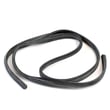
- Address leaks quickly; a worn door seal can shorten the life of surrounding components
| Usage and care level | Typical lifespan | What you usually notice first |
|---|---|---|
| Light use, good maintenance | 12 to 15 years | Minor rack wear, occasional drainage issues |
| Average household use | About 12 years | Cleaning or drying performance slowly declines |
| Heavy use, limited maintenance | 7 to 10 years | More frequent clogs, pump noise, leaks |
Knowing the expected lifespan helps you decide when a repair is worth it. If your GDT545PSJ4SS is near the 10 to 15 year range and you are seeing poor cleaning, leaks, or no-heat drying, targeted maintenance or replacing a key part can restore performance and delay replacement.
Last updated: February 2026
What is the most common problem with GE dishwashers?
On the GE GDT545PSJ4SS dishwasher, the most common customer-reported issue is the dishwasher won’t start or won’t run. In most cases, the cause is simple (power interruption, control lock, or the door not fully latching) and can be confirmed in a few quick checks using the GDT545PSJ4SS owner’s manual.
- Reset the circuit breaker (or replace the fuse) and confirm the dishwasher has power.
- Check for a wall switch that controls the dishwasher circuit (often near the disposer switch) and turn it on.
- Make sure the door is fully closed and latched; a weak latch can prevent the cycle from starting.
- If the control panel is locked, unlock it using the control lock steps in the manual.
- Touch the pads within 30 seconds of each other; waiting too long can make the lights go out while setting controls.
If the quick checks don’t fix it, these are frequent “won’t run” or “won’t start” contributors on this model family.
| Symptom | What it usually points to | Example part for this model |
|---|---|---|
| Door closes but won’t start | Door latch not engaging | GE dishwasher door latch lock WD21X10490 |
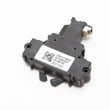
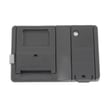
| Has power but acts “dead” or unresponsive | User interface or control issue | Dishwasher user interface WD21X31910 |
| Stops mid-cycle or behaves erratically | Wiring/connection problem | Dishwasher wire harness (inspect connectors) |
A dishwasher that won’t start is often a safety interlock doing its job. Verifying power, control lock status, and a solid door latch prevents unnecessary part replacement and helps you pinpoint whether the issue is electrical, control-related, or purely mechanical.
If you see blinking lights or a code, use the GE electronic dishwasher error codes guide to match the code to a likely failure area (drain, fill, heating, or control).
Last updated: February 2026
Can I replace dishwasher parts myself?
Yes, for the GE GDT545PSJ4SS dishwasher, we can often replace common wear parts ourselves (spray arms, filters, some seals) as long as we shut off power and water first and follow the steps in the GDT545PSJ4SS owner’s manual. For wiring, controls, or plumbing connections, use extra caution and follow the GDT545PSJ4SS installation guide.
Many repairs are straightforward if you’re comfortable removing racks, cleaning the sump area, and reinstalling parts correctly.
- Good DIY: cleaning or replacing spray arms, cleaning filters, checking for a pinched drain hose
- Moderate DIY: replacing a door latch, replacing a drain hose, replacing a float switch
- Advanced: circulation pump, control wiring, user interface or control-related diagnostics
- Disconnect electrical power at the breaker (reduce electric shock risk).
- Shut off the dishwasher water supply valve.
- Let the unit cool at least 20 minutes after a heated cycle before reaching near the heater.
- Pull the dishwasher out carefully; avoid damaging the power cord and hoses.
- Keep the dishwasher level and stable; all 4 legs should contact the floor when reinstalled.
| Symptom | Likely part to inspect/replace | Example part for GDT545PSJ4SS |
|---|---|---|
| Poor cleaning, debris left behind | Spray arm clogged or worn | Dishwasher spray arm, lower WD22X33499 |
| Door won’t latch or won’t start | Door latch not engaging | GE dishwasher door latch lock WD21X10490 |
| Not drying well, water stays cool | Heater issue | Dishwasher heating element WD05X30818 |
| Not draining | Drain path or hose issue | Dishwasher drain hose WD24X10062 |
Correct installation and reassembly prevents leaks, door alignment problems, and repeat service issues. Leveling and hose routing are especially important on built-in dishwashers because a pinched drain hose or a twisted tub can cause poor draining and door fit problems.
Last updated: February 2026
Can a clogged drain cause an FTD error?
Yes. On the GE GDT545PSJ4SS dishwasher, a clogged drain path can trigger an FTD (fill trouble) type condition because the dishwasher expects the tub to be able to empty properly before and during the next fill. Clearing the drain system usually resolves the error.
- Cancel the cycle and confirm whether water is standing in the bottom of the tub.
- Check and clean the air gap (if your sink setup has one); it is designed to protect against backup when a drain clogs.
- If the dishwasher drains into a disposer, run the disposer and make sure the disposer drain plug was removed during installation.
- Inspect the drain hose under the sink for kinks, crushing, or a sag that traps water.
- Verify your sink drains normally; a slow kitchen drain can back up into the dishwasher.
For the exact drain routing and connection requirements (high loop, air gap, disposer connection), follow the GDT545PSJ4SS installation guide.
The drain setup matters because restrictions can leave water in the tub and confuse the dishwasher’s fill and drain sensing.
| Item | What to do | Why it matters |
|---|---|---|
| Drain plug at disposer | Remove the plug before connecting the drain hose | A plug left in place prevents draining |
| Drain connection height | Keep the drain connection height within the specified limit | Too high can reduce drain performance |
| Total drain hose length | Keep total length within the specified limit | Too long can slow or stop draining |
If the drain path is clear and the dishwasher still will not drain consistently, these parts are common suspects:
- Drain hose: splits, internal blockage, or kinks (consider dishwasher drain hose WD24X10062).
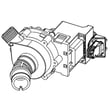
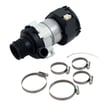
- Drain pump: weak, jammed, or intermittent (consider drain pump assembly WD19X25187).
- Filters: heavy debris can restrict water flow and contribute to poor draining (clean per the GDT545PSJ4SS owner’s manual).
FTD errors often show up when the dishwasher cannot manage water levels correctly. A partial drain restriction can leave standing water, cause poor cleaning, and lead to repeated error codes until the drain path is restored.
Last updated: February 2026
What are dishwasher arms called?
On the GE GDT545PSJ4SS dishwasher, the “dishwasher arms” are called spray arms. They rotate during the wash to distribute water for cleaning; most setups include a lower spray arm under the bottom rack and a mid level spray arm under the upper rack.
Spray arms are the rotating wash arms that push water through small jets. If they are blocked or not turning freely, you can get noise, poor cleaning, and longer cycles.
- Lower spray arm: below the lower rack; handles heavy soil and cookware
- Middle spray arm: under the upper rack; targets glasses, bowls, and upper rack items
- Some dishwashers also have a top or ceiling spray arm (varies by model)
Use these checks any time dishes are coming out dirty or you hear rattling during wash.
- Make sure nothing protrudes through the lower rack that can stop rotation
- Spin the spray arm by hand; it should turn smoothly without hitting dishes
- Confirm large pans are loaded along the sides so they do not block the wash pattern
- Check for clogged spray holes (food particles, labels, hard water debris)
- Verify the dishwasher is getting hot water; low inlet temperature can reduce cleaning
If a spray arm is cracked, warped, or the hub is stripped, replacement is usually the fix.
| Spray arm position | Sears PartsDirect part name | Part ID |
|---|---|---|
| Lower | Dishwasher Spray Arm, Lower | WD22X33499 |
| Middle | Dishwasher Spray Arm, Middle | WD22X33498 |
Related part that can affect upper wash coverage:
Spray arms are the dishwasher’s “water delivery system.” When they cannot rotate freely (often from loading issues), wash performance drops and you may hear rattling as the arm hits dishes. For the exact loading guidance for this GE model, use the GDT545PSJ4SS owner's manual.
Last updated: February 2026
Which dishwasher to stay away from?
If you’re deciding which dishwasher to avoid, we focus less on brand names and more on red-flag symptoms and supportability. For a GE dishwasher like model GDT545PSJ4SS, the best approach is to choose a model with reliable cleaning, draining, and door-latch performance, plus readily available replacement parts and clear troubleshooting steps in the GDT545PSJ4SS owner’s manual.
We recommend staying away from any dishwasher model line that commonly shows these issues early or repeatedly:
- Buttons or controls that intermittently fail (user interface problems)
- Poor cleaning even after proper loading and detergent use (often spray arm or circulation issues)
- Frequent draining failures (drain pump, drain hose, or blockage patterns)
- Door that won’t latch consistently (latch/lock wear or alignment problems)
- Recurring leak points around the tub seal or door area
Many “bad dishwasher” complaints come from installation, loading, or maintenance problems that are fixable.
- Confirm the unit is square and level and all legs contact the floor (installation-related performance issues are common)
- Make sure the drain hose is not pinched behind the dishwasher
- Check that racks and tall items are not blocking spray arm rotation
- Use only dishwasher detergent (hand soap causes suds and poor washing)
- Avoid lightweight plastics dropping near the heater; load them securely
If you’re troubleshooting a GE GDT545PSJ4SS with the symptoms above, these parts are often involved:
| Symptom | Common area | Example part for this model |
|---|---|---|
| Door won’t start cycle | Door latch/lock | GE dishwasher door latch lock WD21X10490 |
| Not cleaning well | Spray arm(s) | Dishwasher spray arm, lower WD22X33499 |
| Not drying well | Heater circuit | Dishwasher heating element WD05X30818 |
| Not draining | Drain path/pump | Dishwasher drain hose WD24X10062 |
A dishwasher that is hard to service or has repeat failures costs more over time than a slightly higher-priced model with better parts availability. For GDT545PSJ4SS, using the correct installation steps and maintenance guidance helps prevent the exact issues people associate with “brands to avoid.”
- Use the GE electronic dishwasher error codes guide to interpret fault codes and narrow the failure to a system (drain, heat, fill, control).
Last updated: February 2026





