Owner’s manual
 Error Codes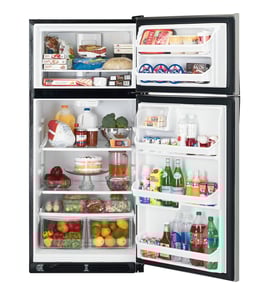






What are the disadvantages of a top mount fridge?
Top-mount refrigerators like Kenmore 10661982100 put the freezer on top and fresh food below; the main disadvantages are less convenient access to everyday items, fewer organization features than many bottom-freezer designs, and fewer built-in dispenser options on many models.
Common disadvantages (what you will notice day to day)
- More bending for fresh food: the refrigerator section is lower, so you reach down more often.
- Less “eye-level” organization: many top-mount layouts have fewer drawers, bins, and wide shelves than some newer styles.
- Fewer exterior features on many models: through-the-door water and ice are less common on top-mount units.
- Odors can travel between sections: because air circulates between freezer and refrigerator, smells can transfer if food is not wrapped well.
- Airflow can be easier to block: overpacking can block vents and cause temperature and moisture problems.
Quick comparison: top-mount vs. bottom-freezer
| Feature | Top-mount refrigerator | Bottom-freezer refrigerator |
|---|---|---|
| Fresh food access | Lower; more bending | Higher; less bending |
| Freezer access | Eye-level | Lower; more bending |
| Typical organization | Simpler | Often more flexible |
| Dispenser options | Less common | More common |
How to reduce the downsides on model 10661982100
We recommend these practical habits to keep performance and convenience high:
- Keep frequently used items on the upper refrigerator shelves to reduce bending.
- Do not block freezer or refrigerator vents; airflow issues cause uneven temps and moisture.
- Wrap foods tightly to limit odor transfer between compartments.
- Set controls to the factory mid-settings first, then adjust gradually if needed.
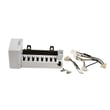
- If you are adding or troubleshooting ice production, use the correct ice maker parts for this model (for example, the ice maker assembly - refrigerator ice maker by whirlpool 4317943).
Why it matters
Most “top-mount problems” are really usability and airflow issues. When vents are blocked or doors are opened frequently, temperatures swing more, food dries out faster, and odors spread between sections.
For model-specific use, airflow guidance, and control settings, follow the owner's manual.
Last updated: February 2026
What is the top part of a fridge called?
On a Kenmore top-mount refrigerator like model 10661982100, the top compartment is the freezer compartment (often just called the freezer). It’s designed to keep foods frozen and it also supplies cold air that circulates down into the fresh food section; see the airflow and compartment details in the owner's manual.
What the freezer does (and why it matters)
The freezer is more than storage for frozen food; it’s a key part of the cooling system.
- Produces and maintains freezing temperatures for long-term food storage
- Sends cold air through vents to help cool the refrigerator section
- Helps control moisture and odor transfer between compartments
- Often houses the ice maker (if your model is equipped)
Freezer vs. refrigerator section: quick comparison
| Compartment | Typical name | Primary purpose | Common issues when airflow is blocked |
|---|---|---|---|
| Top section | Freezer compartment | Freezing and cold-air supply | Warm fridge, frost buildup, uneven temps |
| Bottom section | Refrigerator (fresh food) compartment | Chilled food storage | Warm spots, excess moisture, odor transfer |
Tips to keep temperatures stable
Airflow between the freezer and refrigerator sections is critical on top-mount designs.
- Keep freezer vents clear; do not pack items tightly against vent openings
- Avoid blocking the top vent into the refrigerator section with tall packages
- Let hot foods cool before loading to reduce frost and temperature swings
- Keep doors closed as much as possible to prevent humidity and frost issues
- If doors look uneven, follow the door alignment steps in the owner's manual
Why it matters
When vents are blocked, cold air cannot circulate properly; that leads to temperature and moisture problems in both compartments. Keeping the freezer area organized and vents open helps your Kenmore 10661982100 cool evenly and run more efficiently.
Last updated: February 2026
What is the average lifespan of a Kenmore refrigerator?
Most Kenmore refrigerators last about 10 to 15 years with normal household use and basic maintenance. For your Kenmore 10661982100 top-mount refrigerator, following the care and operating guidance in the owner's manual helps you get the longest service life.
Typical lifespan at a glance
| Appliance type | Typical lifespan | What shortens it fastest |
|---|---|---|
| Top-mount refrigerator (like model 10661982100) | 10 to 15 years | Dirty condenser coils, poor door sealing, warm room temps |
| Sealed refrigeration system (compressor and tubing) | 10+ years | Overheating, low airflow, power issues |
What you can do to reach the high end of the range
- Keep condenser coils and the condenser fan area clean so the compressor runs cooler.
- Make sure doors close fully and gaskets seal all the way around.
- Set stable temperatures (avoid the coldest setting unless needed).
- Leave airflow space around the cabinet (especially behind and underneath).
- Fix water leaks quickly to prevent corrosion and ice buildup.
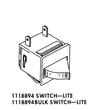
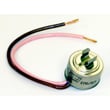
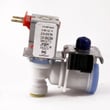
- Replace failed small parts promptly (switches, valves, icemaker components) to prevent bigger problems.
Common “end-of-life” symptoms (and what they usually mean)
- Fridge warm, freezer OK: airflow or defrost issue (often serviceable).
- Both sections warm, compressor runs a lot: dirty coils, condenser fan problem, or sealed-system issue.
- Water under the fridge: drain restriction or water supply component issue.
- Ice maker stops producing: water supply, valve, or ice maker failure.
Why it matters
A refrigerator that is struggling to cool can run longer cycles, waste energy, and accelerate wear on the sealed system. Simple upkeep and quick repairs often add years of reliable operation.
Last updated: February 2026
Which is better, top mount or bottom mount refrigerator?
For most households, a top-mount refrigerator like the Kenmore 10661982100 is the better value: it typically costs less to buy and maintain, and it keeps the freezer at an easy-to-reach height. A bottom-mount is better when you want fresh-food items at eye level and use the refrigerator section far more than the freezer.
Quick comparison (what changes day to day)
| Feature | Top-mount (freezer on top) | Bottom-mount (freezer on bottom) |
|---|---|---|
| Most-used section height | Refrigerator is lower | Refrigerator is higher |
| Freezer access | Easier (no bending) | More bending (unless drawer style) |
| Typical price and repair cost | Lower | Higher |
| Organization | Simpler shelves | Often more bins and drawers |
| Energy use | Often slightly lower | Varies by design |
When a top-mount is the better choice
- You use the freezer often (frozen meals, ice, bulk storage)
- You want a simpler layout with fewer specialty drawers
- You want lower long-term upkeep (fewer complex door and drawer systems)
- You have a tighter space; top-mount doors often need less clearance planning
- You want straightforward airflow management (keeping vents clear helps both sections cool evenly)
When a bottom-mount is the better choice
- You cook frequently and want fresh food at eye level
- You prefer wide refrigerator shelves for platters and meal prep
- You want more “grab-and-go” organization in the refrigerator section
- You do not mind bending for freezer access
Why it matters for performance and maintenance
No matter which style you choose, good cooling depends on airflow. In our Kenmore 10661982100 top-mount refrigerator, the manual emphasizes keeping vents unblocked so air can circulate between the freezer and refrigerator sections; blocked vents can cause temperature swings and moisture issues. For placement, we also follow the ventilation clearances listed in the owner's manual so the condenser can shed heat efficiently.
Last updated: February 2026