 Installation guide
 Owner’s manual



How much does it cost to replace a heating element in a Kenmore dryer?
For Kenmore dryer model 11066972501, the heating element part typically costs about $50 to $100, and total replacement cost is commonly $150 to $350 when you include professional labor. If you do the repair yourself, your cost is usually the part plus basic supplies.
Typical cost breakdown
Costs vary by location and whether other heat-related parts are replaced at the same time.
- Heating element (part only): commonly $50 to $100
- DIY total: usually $60 to $130 (part plus connectors or wire repair as needed)
- Professional total: commonly $150 to $350 (part plus labor)
- Higher totals: when airflow problems caused overheating and multiple safety parts need replacement
| Scenario | What you pay for | Typical total |
|---|---|---|
| DIY element swap | Part only, basic tools | $60 to $130 |
| Pro element replacement | Part + labor | $150 to $350 |
| Heat system refresh | Element + safety parts + labor | $200 to $450 |
Parts that commonly affect the final price
If the dryer overheated, a technician often checks and may replace additional heat-circuit parts so the new element does not fail again.
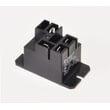
- Dryer heating element WP3387747
- Thermal cut-off or high-limit safety devices (often replaced as a set)
- Wiring terminals that are heat-damaged
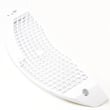
- Lint screen and venting components if airflow is restricted
Why it matters
A dryer heating element can burn out early when airflow is restricted (lint buildup, crushed vent, long vent run). Fixing the airflow issue at the same time helps the new element heat properly and last longer.
What we recommend before you buy parts
Use the troubleshooting and care steps in the 11066972501 owner’s manual to confirm a true “no heat” condition and to check venting and lint buildup.
- Clean the lint screen before every load
- Inspect and clean the vent duct to the outside
- Verify the dryer is on the correct heat setting and cycle
- If the dryer tumbles but will not heat, test the heating circuit components with a meter
Last updated: January 2026
What is the average life of a Kenmore dryer?
Most Kenmore dryers, including model 11066972501, typically last 10 to 13 years with normal household use. Regular care (especially lint and vent cleaning) and avoiding overheating can push service life longer and reduce repairs; see the maintenance schedule in the 11066972501 owner's manual.
What affects dryer lifespan the most
A dryer’s life is usually determined by heat stress, airflow, and wear on moving parts.
- Airflow restrictions (lint screen, exhaust duct, outside vent hood) raise operating temperatures
- Overloading strains the drum support rollers, belt, and idler pulley
- High heat cycles used constantly accelerate wear on thermostats and heating components
- Moisture and corrosion (laundry room humidity, vent leaks) shorten electrical component life
- Preventive cleaning reduces overheating and nuisance shutdowns
Maintenance that extends life (and why)
Your Kenmore manual calls out periodic lint removal inside the cabinet and exhaust vent. A practical routine looks like this:
- Clean the lint screen every load
- Check airflow at the outside vent hood monthly
- Clean the full vent run at least yearly (more often with long vents or heavy use)
- Have lint removed inside the dryer cabinet about every 2 years (or sooner with heavy use)
- Keep the dryer area above 45°F (7°C) for proper cycle operation
| Task | Helps prevent | Typical symptom when skipped |
|---|---|---|
| Lint screen cleaning | Overheating, long dry times | Clothes take 2+ cycles |
| Vent cleaning | Thermal cut-off trips, poor heat | Dryer runs but won’t dry |
| Cabinet lint removal | Motor heat buildup, burning smell | Hot cabinet, shutdowns |
Parts that commonly wear out over time
If your dryer is otherwise in good shape, replacing common wear items can be a cost-effective way to extend life.
- Drum support rollers (squealing, thumping)
- Idler pulley (chirping, belt slip)
- Heating element (no heat on electric models)
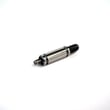
For example, a worn roller can be addressed with the support WPW10314173.
Why it matters
A dryer that is kept clean and venting properly runs cooler, dries faster, and puts less strain on the motor, heater, and drum support system. That directly translates into fewer breakdowns and a longer overall lifespan.
Last updated: January 2026
Is there a way to reset a Kenmore dryer?
Yes. For Kenmore dryer model 11066972501, we reset it by disconnecting power for about 5 minutes, then restoring power and starting a cycle again. This clears many temporary control and motor-start conditions without replacing parts.
Reset steps (safe, quick)
- Turn the Cycle Selector to OFF.
- Unplug the dryer (or switch both dryer breakers OFF if it is hardwired).
- Wait 5 minutes.
- Restore power.
- Close the door firmly.
- Select a cycle, then press PUSH TO START.
For model-specific operating steps and cycle details, use the 11066972501 owner's manual.
If it still will not start after a reset
The manual troubleshooting for this Kenmore dryer points to a few common checks that often look like a “needs reset” problem.
- Check the door is fully closed; a failed door switch can prevent starting.
- Confirm a cycle is selected and the dial is not left in an OFF area.
- Verify house power: many electric dryers use two fuses or breakers; one can trip and the dryer may act abnormal.
- Press the Start button firmly.
- If the dryer was unused for a while, brief thumping at startup can be normal; persistent issues point to a mechanical problem.
Quick symptom-to-check table
| What you see | What to check first | Common related part |
|---|---|---|
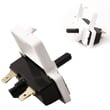
| Nothing happens when you press Start | Door fully closed; power at outlet/breakers | Dryer door switch WP3406107 |
| Drum turns but no heat | One breaker/fuse tripped; airflow restriction | Dryer heating element WP3387747 |
| Loud rumble/squeal | Drum support and belt path wear | Support WPW10314173 |
Why it matters
A “reset” fixes temporary interruptions, but repeated no-start or no-heat symptoms usually mean a power-supply issue, airflow restriction, or a failing component (door switch, heating circuit, or drum support). Catching that early helps prevent longer dry times and overheating.
Last updated: January 2026
What are common problems with Kenmore dryers?
Common problems we see with Kenmore dryers (including model 11066972501) are no heat, the dryer will not start, long dry times from poor airflow, and loud thumping or squealing noises. Many of these issues trace back to lint buildup, a tripped breaker, or worn moving parts.
Most common symptoms and what usually causes them
- Dryer will not run: door not fully closed, Start not pressed firmly, no cycle selected, or a power supply issue (electric dryers need 240V).
- No heat but drum turns: one of the two breakers/fuses is tripped (common on electric dryers).
- Long dry times: lint screen blocked, vent restriction, or weak airflow.
- Unusual sounds (thumping/squealing): small items caught at drum edges, or worn drum support and belt-drive components.
- Overheating or burning smell: restricted airflow, lint accumulation, or a failed safety device.
Quick checks we recommend first (fast, no parts)
- Clean the lint screen before every load and reinstall it firmly (a blocked screen increases drying time and can contribute to overheating). See the owner's manual.
- Check both household breakers/fuses; many electric dryers can tumble with one breaker tripped but will not heat.
- Confirm the dryer is level and installed correctly; vibration and noise increase when it is not level. Use the installation guide.
- Check pockets for coins, buttons, or clips that can get trapped between the drum and bulkhead.
Common parts involved (when a repair is needed)
| Symptom | Likely area | Example model-matched part |
|---|---|---|
| Loud rumble or thump | Drum support | Support WPW10314173 |
| Squeal or belt slip | Idler/belt path | Dryer idler pulley 279640 |
| No heat (electric) | Heater circuit | Dryer heating element WP3387747 |
| Will not start when door closes | Door circuit | Dryer door switch WP3406107 |
Why it matters
Airflow and heat control affect drying performance and safety. Keeping the lint screen and venting clear reduces dry time, prevents overheating, and helps parts like the heating element and thermistor last longer.
Last updated: January 2026









