 Installation guide
 Owner’s manual




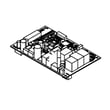
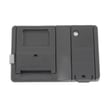
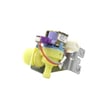
What is the most common problem with GE dishwashers?
The most common problems we see on GE dishwashers like model PDP715SBN0TS are not draining, not starting, and poor cleaning. In many cases, the fix is basic maintenance (filters, loading, detergent) before replacing parts such as the drain pump or door latch.
Most common issues (and what to check first)
- Not draining: check the filter area for debris, confirm the sink drain and disposer inlet are clear, and verify the drain hose is not kinked.
- Won’t start or stops: confirm the door is fully closed and the control panel is not locked; also check the breaker or any wall switch that feeds the dishwasher.
- Detergent not dispensing: avoid blocking the dispenser with tall dishware; reposition items so spray can flush the cup.
- Suds in the tub: use only automatic dishwasher detergent; hand dish soap causes heavy suds and poor washing.
- Poor cleaning: follow rack loading guidance and use the right detergent type for the cycle length.
Quick “symptom to likely cause” guide
| Symptom | Most likely cause | Common next step |
|---|---|---|
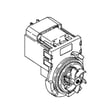
| Water left in bottom | Clog, hose restriction, weak drain pump | Inspect hose and filter area; consider dishwasher drain pump WD19X25461 |
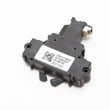
| Won’t run | Door not latched, power issue, control lock | Check latch engagement; consider GE dishwasher door latch lock WD21X10490 |
| Detergent still in cup | Dishes blocking dispenser, short cycle + tablet wash-out | Reload dishes; place tablet per cycle guidance in the PDP715SBN0TS owner's manual |
| Suds/overflowing foam | Wrong detergent or rinse aid spill | Switch detergent; wipe spills; follow reset steps in the manual |
Why it matters
Drain and start problems can look like “the dishwasher is dead,” but they are often caused by a blocked path, a door that is not fully latched, or detergent and loading issues. Fixing the root cause prevents repeat failures and protects the wash pump and control.
Helpful model-specific references
- Use the PDP715SBN0TS owner's manual for loading rules, detergent placement for cycles under 60 minutes, and steps to clear suds.
- Use the GE electronic dishwasher error codes guide if your control shows an error or beeps in a pattern.
Last updated: February 2026
What is the average lifespan of a GE dishwasher?
Most GE dishwashers, including the GE PDP715SBN0TS, last 10 to 12 years with normal household use. Consistent cleaning, correct detergent use, and fixing small leaks or drain issues early are the biggest factors that keep a dishwasher running closer to the high end of that range.
What affects dishwasher lifespan the most
- Water quality: hard water speeds up mineral buildup on spray arms, the sump area, and the heating system.
- Cleaning and maintenance: routine interior cleaning reduces odor, film, and deposits.
- Drain performance: slow draining strains the drain pump and can leave dirty water in the tub.
- Wash circulation: clogged spray arms or a weak wash pump reduces cleaning and can increase run time.
- Door sealing and latching: a poor seal or latch can cause leaks and cycle interruptions.
Maintenance that helps you reach 10 to 12 years
GE’s care guidance for PDP715-series dishwashers emphasizes regular cleaning and using dishwasher-safe detergents and cleaners. Use these habits to extend life:
- Clean and de-odorize the interior periodically (citric acid or dishwasher cleaner).
- Wipe the control panel with a lightly damp cloth, then dry.
- Keep spray arm holes clear so water can circulate.
- Address draining problems quickly (kinks, clogs, or a failing pump).
- Confirm the unit has stable power (if on a wall switch, allow a few seconds after switching on before pressing Start).
| What you notice | What it usually points to | What to check first |
|---|---|---|
| Dishes not clean | Poor circulation or blocked spray | Spray arm holes, loading, water feed path |
| Water left in bottom | Drain restriction or weak pump | Air gap/disposal inlet, hose routing |
| Leaks at the door | Seal or latch issue | Door alignment, gasket condition |
| No heat or poor drying | Heating circuit issue | Cycle settings, heater performance |
Why it matters
A dishwasher that is maintained typically avoids the most common early failures: mineral buildup that restricts wash flow, drain restrictions that overwork the pump, and door sealing problems that lead to leaks. Those issues are also the ones that most often turn into bigger repairs.
For model-specific operating and care details, follow the PDP715SBN0TS owner’s manual.
Last updated: February 2026
Can I replace dishwasher parts myself?
Yes, for the GE PDP715SBN0TS dishwasher, we can usually replace many common parts ourselves if we shut off power and water first and follow the correct steps. Jobs that involve wiring, grounding, or hard-wiring are higher risk and are best handled by a qualified technician using the instructions in the PDP715SBN0TS owner’s manual.
What you can typically DIY vs. what to leave to a pro
Many repairs are straightforward mechanical swaps; others involve electrical safety and leak risk.
- Good DIY candidates: spray arms, racks, some hoses, door gasket checks
- More advanced DIY: drain pump, wash pump, control components (requires careful wiring)
- Best left to a pro: any repair involving grounding questions, hard-wiring changes, or repeated breaker trips
- Always do first: disconnect power at the breaker and turn off the water valve under the sink
Quick guide
| Repair type | Typical difficulty | Common symptoms |
|---|---|---|
| Replace spray arm | Easy | Poor cleaning, no spray pattern |
| Replace drain hose | Medium | Leaks under sink, drain issues |
| Replace drain pump | Medium | Standing water, humming then stops |
| Replace control parts | Advanced | Won’t start, dead panel, erratic cycles |
Safety steps we recommend before any repair
The manual emphasizes disconnecting the dishwasher from the power supply before maintenance.
- Turn off the circuit breaker (or remove the house fuse)
- Turn off the water supply valve (usually under the sink)
- Protect the floor; keep towels ready for residual water
- Take a photo of wire connections before disconnecting anything
- Confirm the unit can be pulled out for service clearance (installation guidance matters here)
Parts that commonly solve the problem
If your symptom matches, these model-compatible parts are common fixes:
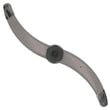
- Poor cleaning on the bottom rack: consider the dishwasher spray arm, lower WD22X33499
- Not draining or water left in tub: consider the dishwasher drain pump WD19X25461 or check the dishwasher drain hose WD24X10062
- Won’t start because the door won’t latch: consider the GE dishwasher door latch lock WD21X10490
Why it matters
DIY repairs can save time and money, but dishwashers combine electric power and water. Following the correct shutdown steps and the model-specific procedures in the manual helps prevent shocks, leaks, and repeat failures.
Last updated: February 2026
What are the commonly replaced parts in a dishwasher?
In a GE PDP715SBN0TS dishwasher, the most commonly replaced parts are the wash and drain components (spray arms, pumps, hoses), door sealing and latching parts, and key electrical items that control heating and operation. These parts typically fail from wear, clogs, leaks, or mineral buildup over time.
Commonly replaced parts (and what they affect)
- Spray arms: Poor cleaning, weak spray, or clogged jets (example: dishwasher spray arm, lower WD22X33499).
- Drain system: Standing water, slow drain, or drain noise (example: dishwasher drain pump WD19X25461 and dishwasher drain hose WD24X10062).
- Wash circulation: Weak wash action or intermittent cleaning (example: wash pump main asm WD19X25700).
- Heating and drying: Dishes not drying, cool water, longer cycles (example: element heat WD05X35098).
- Door closure and sealing: Won’t start, leaks, or door won’t latch (example: GE dishwasher door latch lock WD21X10490 and dishwasher tub gasket WD08X23477).
- Sensors and controls: Fill or wash issues tied to sensing and electronics (example: GE dishwasher pressure sensor WD21X25468).
Quick symptom-to-part guide
| Symptom | Most common part areas | Example part for PDP715SBN0TS |
|---|---|---|
| Not draining | Drain pump, drain hose, sump path | WD19X25461, WD24X10062 |
| Not cleaning well | Spray arms, wash pump, diverter | WD22X33499, WD19X25700 |
| Not drying | Heating circuit, venting | WD05X35098 |
| Won’t start | Door latch, control lock, power | WD21X10490 |
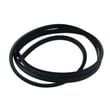
| Leaks | Tub gasket, door sealing surfaces | WD08X23477 |
Why it matters
Replacing the correct part restores cleaning performance, prevents water damage from leaks, and avoids repeat failures caused by clogs or mineral deposits. Regular care also reduces strain on pumps and spray arms.
Before you order a part
- Confirm the symptom is consistent across multiple cycles.
- Clean filters and check spray arm holes for debris.
- Verify the water valve under the sink is fully on.
- If the dishwasher won’t run, check the breaker and any wall switch that feeds the dishwasher.
- Use the troubleshooting and maintenance steps in the PDP715SBN0TS owner’s manual to match symptoms to likely causes.
Last updated: February 2026





