Installation guide
 Owner’s manual
 Error Codes



What fridge to stay away from?
If you want fewer headaches, we recommend staying away from refrigerators with lots of extra electronics and complex dispenser features (touchscreens, Wi-Fi, advanced ice systems) because they add more failure points and can be expensive to repair. For KitchenAid KSCS25FVSS01 specifically, focus on proven basics: stable temperatures, good door sealing, and a simple, well-maintained water system; use the owner's manual to confirm the right settings and care steps.
What to avoid (practical shopping rules)
- Overly complex control panels and “smart” features you will not use
- Models with a history of ice maker and water dispenser complaints
- Units that require a tight built-in fit but do not match your opening dimensions
- Poor door sealing or doors that do not close smoothly (leads to warm temps and frost)
- Designs with hard-to-access filters or uncommon parts that drive up repair time
What to look for instead
We see the best long-term results with simpler designs that keep airflow and temperatures consistent.
- Straightforward temperature controls
- Strong door hinges and easy door alignment
- Easy-to-service water filter and inlet valve system
- Readily available parts such as a water filter, ice maker, and evaporator fan components
Quick comparison: simple vs feature-heavy
| Feature set | Typical benefit | Typical downside |
|---|---|---|
| Basic cooling + simple dispenser | Fewer breakdown points | Fewer “premium” features |
| Touchscreen + Wi-Fi + advanced dispenser | Convenience features | More electronics to diagnose and replace |
| Complex ice system | More ice options | More clogs, leaks, and moving parts |
Why it matters
A refrigerator’s job is consistent cooling. Extra electronics and complicated ice and water features increase the number of parts that can fail, and repairs often involve control boards, sensors, valves, and wiring.
If you already own a feature-heavy fridge
These steps reduce common ice and water problems:
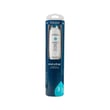
- Replace the water filter on schedule; use the correct refrigerator filter EDR3RXD1
- Purge air after filter changes and after water shutoffs
- Keep freezer temps near 0°F and fresh food near 37°F (typical recommended targets)
- Make sure doors seal tightly and close fully
Last updated: February 2026
What is the average lifespan of a KitchenAid refrigerator?
A KitchenAid refrigerator typically lasts 14 years. For your KitchenAid KSCS25FVSS01 side-by-side refrigerator, regular maintenance (cleaning coils, keeping door seals tight, and staying on top of water and ice issues) helps you reach or beat that average; check the owner's manual for model-specific care guidance.
Typical lifespan range (what to expect)
Most KitchenAid refrigerators fall into this range:
- 10 to 17 years is typical for a full-size refrigerator
- 14 years is a solid average target for planning
- Units that are kept clean, level, and well-ventilated often last longer
Quick reference
| Item | Typical expectation |
|---|---|
| Average lifespan | 14 years |
| Common range | 10 to 17 years |
| Biggest life-extenders | Clean coils, good door seal, stable temps |
What shortens refrigerator life fastest
These are the most common wear drivers we see in side-by-side refrigerators like the KSCS25FVSS01:
- Dirty condenser area causing the compressor to run hot and long
- Door gasket leaks that create constant run time and frost
- Poor airflow around the cabinet (tight enclosure, blocked vents)
- Ice maker and water dispenser leaks that lead to corrosion or ice buildup
- Skipping filter changes, which can reduce water flow and strain the system
Maintenance that helps you hit the average (or better)
Use this checklist as a simple routine:
- Vacuum dust from the condenser area regularly
- Keep freezer and fresh food vents unblocked by packages
- Confirm doors close and seal fully; clean the gasket with mild soap and water
- Replace the water filter on schedule; use the correct refrigerator filter EDR3RXD1
- If water flow slows or tastes off, flush the dispenser after filter changes
Why it matters
Knowing the average lifespan helps you decide whether to repair or replace. If your KSCS25FVSS01 is under about 10 years old, repairs like a water valve, ice maker, or fan issue are often worthwhile; past the mid-teens, you may prioritize only the most cost-effective fixes.
Last updated: February 2026
What is the most dependable side-by-side refrigerator?
If you want the most dependable side-by-side refrigerator, we recommend prioritizing proven temperature control, simple ice and water systems, and long-term parts support. In real-world service history, GE and KitchenAid side-by-sides are consistently strong choices; Whirlpool-built basic side-by-sides also tend to be solid when you keep up with filter and airflow maintenance.
What “dependable” means for a side-by-side
Dependability is usually about avoiding the most common failure points and keeping cooling stable.
- Consistent fresh food and freezer temperatures (minimal swings)
- Fewer dispenser and ice maker issues over time
- Good door sealing and alignment to prevent warm air leaks
- Easy-to-source replacement parts (filters, valves, fans, controls)
- Straightforward maintenance (condenser cleaning, filter changes)
How to compare models quickly
Use this checklist when you are shopping or deciding whether to repair what you have.
| What to check | What you want to see | Why it helps reliability |
|---|---|---|
| Ice and water design | Simple routing, easy filter access | Fewer leaks and clogs |
| Cooling airflow | Strong evaporator fan performance | Prevents warm spots and frost issues |
| Door seal fit | Even gasket contact all around | Reduces compressor run time |
| Parts availability | Common parts still sold | Faster, cheaper repairs |
How your KitchenAid KSCS25FVSS01 fits the “dependable” profile
KitchenAid side-by-sides like model KSCS25FVSS01 are built around a proven cooling platform, and many reliability complaints in this style of refrigerator trace back to maintenance items (water filter restrictions, airflow problems, or door sealing) rather than the sealed system.
For model-specific use and care details, follow the maintenance schedule and operating guidance in the owner's manual.
Reliability tips that prevent the most common breakdowns
These steps reduce strain on the compressor, ice maker, and water inlet valve.
- Replace the water filter on schedule; a restricted filter can reduce dispenser flow and affect ice production (use refrigerator filter EDR3RXD1).
- Purge air after filter changes to prevent sputtering and slow fill.
- Keep vents inside both compartments clear so the evaporator fan can move air.
- Fix door seal gaps early; warm air intrusion drives frost and temperature swings.
- If ice production slows, check for fill issues and freezing in the water path before replacing major parts.
Why it matters
A side-by-side’s biggest reliability risks are usually in the ice and water system and airflow. Choosing a model with simpler systems, then maintaining filters and door sealing, prevents many “no ice,” “slow water,” and “warm fridge” service calls.
Last updated: February 2026