Error Codes



How big is the Amana asd2575brs01?
The Amana ASD2575BRS01 side-by-side refrigerator is about 35.5 in wide, 34.6 in deep, and 69.1 in tall, with an approximate 24.5 cu. ft. total capacity. For fit, we recommend confirming door-swing clearance and ventilation space before moving it into place.
Dimensions and what they mean
These are the key measurements most customers use for cabinet fit and delivery planning:
- Width: 35.5 in (side-to-side)
- Depth: 34.6 in (front-to-back, cabinet depth)
- Height: 69.1 in (floor to top of cabinet)
- Capacity: about 24.5 cu. ft.
Quick fit checklist (before you buy or move)
Even when the cabinet dimensions fit, installation issues usually come from clearance and access:
- Measure the doorway and hallway width on the delivery path
- Allow extra space for door swing and pulling out crisper drawers
- Leave room behind the unit for the water line (if you use the dispenser/ice maker)
- Keep airflow space around the cabinet so the condenser can shed heat
- Level the refrigerator so doors seal and close correctly
Helpful planning table
| What you’re measuring | Target for ASD2575BRS01 | Why it matters |
|---|---|---|
| Width | 35.5 in | Cabinet opening fit |
| Depth | 34.6 in | Counter projection and walkway space |
| Height | 69.1 in | Overhead cabinet clearance |
| Capacity | ~24.5 cu. ft. | Storage planning |
Why it matters
A refrigerator that is even slightly too large can cause door interference, poor airflow (warm temps), or kinked water tubing. Getting the measurements right up front helps avoid cooling and ice maker performance problems later.
Related parts you may need when installing or servicing
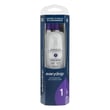
If you’re hooking up water or troubleshooting dispenser flow, these model-compatible parts are commonly involved:
Last updated: January 2026
Is Amana a good brand of refrigerator?
Amana is generally a solid, budget-friendly refrigerator brand; for an Amana side-by-side like model ASD2575BRS01, the biggest strengths are straightforward design and value, while the most common tradeoffs are fewer premium features and more sensitivity to maintenance (seals, airflow, and ice maker performance).
What “good” usually means for ASD2575BRS01 owners
When customers ask if Amana is “good,” we typically break it down into practical ownership factors:
- Value for the price: Amana is often chosen for essential cooling without premium add-ons.
- Simpler feature set: Fewer electronics can mean fewer feature-related failures.
- Parts support: Common service items (ice maker, water valve, gaskets) are widely replaceable.
- Noise expectations: Side-by-sides can make normal operational sounds (fans, ice dispensing).
- Maintenance matters: Door sealing and condenser cleanliness strongly affect performance.
Quick comparison: Amana vs. “premium” expectations
| What you want most | Amana is usually a good fit when… | Consider other tiers when… |
|---|---|---|
| Low cost of ownership | You want reliable basics and easy-to-source parts | You want extended feature sets and premium materials |
| Simple controls | You prefer straightforward temperature control | You want advanced smart features and specialty zones |
| DIY-friendly repairs | You are comfortable replacing common components | You prefer minimal maintenance and service calls |
Parts that commonly support long-term reliability
Even a “good” refrigerator can struggle if key wear items are failing. For ASD2575BRS01, these are common examples we see tied to performance complaints:
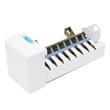
- Ice production or dispensing issues: Refrigerator ice maker assembly WPW10300022
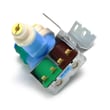
- Water dispenser slow/no flow or no ice fill: Refrigerator water inlet valve WPW10179146
- Warm temps, frost, or airflow problems: defrost system components (heater, thermostat, fan)
- Moisture, sweating, or frost around doors: door gasket condition and door alignment
Why it matters
Brand reputation is helpful, but day-to-day results depend more on installation, airflow, and routine upkeep. Keeping seals tight, airflow clear, and water/ice components maintained often makes a bigger difference than the logo on the door.
Helpful DIY guidance
Last updated: January 2026
Is side by side better than a French door?
A side-by-side is “better” than a French door only if its strengths match how you use your kitchen; for the Amana ASD2575BRS01 (a side-by-side), you get easy, eye-level access to freezer items and strong door-bin organization, but less wide-shelf space for large platters.
Quick comparison: what you gain and what you give up
- Side-by-side (like ASD2575BRS01): narrow shelves, tall storage, freezer access at eye level
- French door: wide fresh-food shelves, bottom freezer drawer, better for large trays
- Side-by-sides often fit tighter aisle space because each door is narrower
- French doors usually make fresh-food organization easier for wide items
- Side-by-sides can be better if you use the freezer daily
| Feature | Side-by-side (ASD2575BRS01 style) | French door |
|---|---|---|
| Best for | Frozen foods, door storage, narrow door swing | Wide fresh-food items, party trays |
| Freezer access | Eye level | Pull-out drawer |
| Shelf width | Narrower | Wider |
How to decide for your home
Use these “tie-breakers”:
- You store lots of frozen foods and want them easy to see and reach.
- Your kitchen has limited clearance; narrower doors help.
- You frequently store wide items (pizza boxes, sheet pans, platters).
- You prefer refrigerator space at eye level (French door) vs. split vertical storage (side-by-side).
Why it matters
Choosing the right layout reduces temperature swings (less door-open time), improves food visibility, and can prevent overpacking that blocks airflow and causes warm spots.
If you are optimizing performance on a side-by-side, our how to use your refrigerator efficiently guide covers practical loading and airflow tips.
Last updated: January 2026