Error Codes




What is a bottom mount fridge freezer?
A bottom-mount fridge freezer is a refrigerator design where the fresh-food section is on top and the freezer is a pull-out drawer or compartment on the bottom. On your KitchenAid KBRA22ERSS01 bottom-mount refrigerator, this layout keeps everyday refrigerated items at a more comfortable, eye-level height.
How a bottom-mount refrigerator is laid out
Most bottom-mount units (including the KBRA22ERSS01 style) are organized like this:
- Top compartment: fresh food (milk, produce, leftovers)
- Bottom compartment: freezer storage in a drawer or lower door
- Crispers and shelves: designed for frequent access in the upper section
- Airflow system: circulates cold air to maintain stable temperatures
Why people choose bottom-mount
This style is popular because it matches how most households use a refrigerator day to day.
- You bend less to reach fresh foods
- The freezer drawer can hold bulky frozen items more efficiently
- It is easier to see and organize refrigerated groceries
- Many models support water filtration and ice maker setups
Bottom-mount vs. top-mount (quick comparison)
| Feature | Bottom-mount | Top-mount |
|---|---|---|
| Fresh food access | Higher, easier | Lower, more bending |
| Freezer access | Lower drawer | Upper door |
| Best for | Frequent fresh-food use | Frequent freezer use |
Why it matters for parts and maintenance
Knowing the style helps when troubleshooting common issues like warm fresh-food temps, freezer frost, or drawer alignment. For example, airflow and fan issues can affect the upper compartment first; if you are diagnosing cooling problems, our how to fix your evaporator cooling fan guide is a good starting point.
Last updated: February 2026
What is the most common problem with KitchenAid refrigerators?
The most common KitchenAid refrigerator problems are cooling and ice maker issues. On the KitchenAid KBRA22ERSS01, the most frequent root causes we see are restricted airflow (dirty condenser coils or a weak fan), defrost system trouble that leads to frost buildup, and water-supply restrictions from a clogged filter.
Most common symptoms customers notice
- Refrigerator not cold enough or temperature swings
- Freezer cold but fresh-food section warm (airflow or damper issue)
- Ice maker slow, hollow cubes, or no ice
- Unusual noises (buzzing, rattling, or a fan hitting ice)
- Water under the refrigerator (often a drain or defrost-related issue)
Quick checks that fix many problems
- Clean condenser coils (dust buildup is a top cause of poor cooling and long run times).
- Confirm strong airflow inside the cabinet; listen for the evaporator fan.
- Replace the water filter if water flow is slow or the ice maker is acting up; use the correct refrigerator filter EDR4RXD1.
- Look for frost on the back freezer panel; heavy frost points to a defrost problem.
- Check door sealing; a leaking gasket can cause frost, moisture, and warm temps.
Common causes and the parts that relate
| Problem area | What it affects | Example part for KBRA22ERSS01 |
|---|---|---|
| Water filtration restriction | Ice maker fill, dispenser flow | Refrigerator filter EDR4RXD1 |
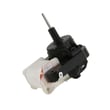
| Evaporator airflow | Fresh-food cooling, noise | Evaporator motor (WPW10128551) |
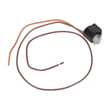
| Defrost sensing | Frost buildup, warm temps | Defrost bi-metal (WP67003426) |
| Condenser airflow | Overall cooling, compressor run time | Condenser motor (W11613295) |
Why it matters
Cooling, airflow, and water supply problems tend to cascade. For example, a weak evaporator fan can warm the refrigerator section, and a clogged filter can reduce ice production and strain the water system. Addressing the basic airflow and filtration items first prevents repeat failures.
For step-by-step filter replacement, we use how to replace the water filter in a KitchenAid refrigerator.
Last updated: February 2026
What's the average lifespan of a KitchenAid refrigerator?
Most KitchenAid refrigerators, including the KitchenAid KBRA22ERSS01 bottom-mount refrigerator, last 12 to 15 years on average, with a typical overall range of 10 to 17 years. Consistent cleaning, correct temperatures, and timely part replacement help you reach the high end of that range.
Typical lifespan and what affects it
A refrigerator’s life is mostly driven by compressor run time, airflow, and how well the doors seal.
- Keep fresh food near 37°F and freezer near 0°F
- Clean condenser coils regularly to reduce compressor strain
- Make sure doors close fully and gaskets seal all the way around
- Avoid overpacking; airflow helps stabilize temperatures
- Replace worn cooling and defrost parts before they cause bigger failures
Parts that commonly impact longevity
If your KBRA22ERSS01 is warming up, running constantly, or making new noises, these are common wear items to check first:
- Refrigerator filter EDR4RXD1 (restricted flow can affect ice and water performance)
- Evaporator motor WPW10128551 (poor airflow can cause warm temps and frost issues)
- Condenser motor W11613295 (overheating and long run times)
- Refrigerator defrost bi-metal WP67003426 (frost buildup that blocks airflow)
- Refrigerator overload W10613606 (compressor start issues)
Quick symptom-to-likely-cause guide
| What you notice | What it often points to | What to do first |
|---|---|---|
| Fridge warm, freezer OK | Airflow/evaporator fan issue | Check for fan noise; inspect frost pattern |
| Frost buildup on back wall | Defrost system problem | Check defrost components and airflow |
| Runs all the time | Dirty coils, poor door seal, airflow restriction | Clean coils; check gasket seal |
| Clicking, won’t start cooling | Start device/overload issue | Inspect start components; check power |
Why it matters
A KitchenAid bottom-mount refrigerator can easily lose years of service life if it runs hot (dirty coils), leaks cold air (bad gasket), or can’t move air (fan or frost problem). Fixing those early reduces compressor wear, which is the most expensive system to stress.
For step-by-step maintenance that helps extend service life, use our DIY guide: how to use your refrigerator efficiently.
Last updated: February 2026
How to remove bottom grill from KitchenAid refrigerator?
On the KitchenAid KBRA22ERSS01 bottom-mount refrigerator, the bottom grill (toe kick) removes from the lower front of the cabinet so you can clean underneath and access lower components. Most toe kicks release by pulling straight out; some versions also use screws, so check for fasteners first.
Steps to remove the bottom grill (toe kick)
- Unplug the refrigerator or switch off power at the breaker.
- Open the doors for easier access and lighting.
- Look along the top edge and both ends of the grill for screws or quarter-turn fasteners.
- If you see fasteners: remove them, then pull the grill forward.
- If you do not see fasteners: grip near both ends and pull straight toward you to release the retaining clips.
- If it is tight: pull evenly at both ends and wiggle slightly side-to-side; avoid prying against painted stainless surfaces.
Reinstalling the grill
- Align the tabs or clips with the slots along the lower frame.
- Press evenly until it seats flush.
- Reinstall any screws or fasteners you removed.
What to do if it will not come off
| What you notice | Likely cause | What we do next |
|---|---|---|
| It will not move at all | Hidden screws or tight clips | Recheck ends and top edge for fasteners; then pull straight out evenly |
| One side releases first | Clip still engaged | Push the loose side back in, then pull both ends together |
| Grill is cracked or will not stay on | Broken tabs/clips | Replace the grill so it fits securely and does not rattle |
Why it matters
Removing the toe kick the right way prevents broken clips and keeps airflow paths clear. It also makes routine cleaning easier, which helps the condenser area run efficiently.
For more DIY refrigerator repair guidance, use: can i fix my own fridge.
Last updated: February 2026