 Installation guide
 Owner’s manual
 Error Codes



What is the most common problem with a GE dishwasher?
The most common GE dishwasher problem is a “won’t run” or “won’t drain” complaint caused by a power issue (breaker, wall switch), a door not fully latching, or a drain restriction. On the GE GSM2260V00SS, we start with the troubleshooting steps in the GSM2260V00SS owner’s manual.
Quick checks we do first (fastest wins)
- Reset power: check the house breaker or fuse, then restore power.
- Look for a wall switch that controls the dishwasher (often near the disposer switch) and turn it on.
- Close the door firmly; a misaligned latch can prevent the cycle from starting.
- Press START/RESET (on electronic models, press it twice) to clear a stalled cycle.
- If it won’t drain, check for a kinked or clogged drain line.
Most common symptoms and what they usually point to
| Symptom | Most common cause | What to check next |
|---|---|---|
| Won’t start | No power, wall switch off, door not latched | Breaker/fuse, wall switch, door switch |
| Won’t drain | Drain restriction or drain mechanism issue | Drain hose routing, drain solenoid, pump area |
| Poor cleaning | Low spray, blocked arm, circulation issue | Spray arm holes, sump inlet, pump performance |
| Leaks | Door sealing or installation level issue | Door seal condition, leveling, tub corner baffles |
Parts that commonly fix these problems on this model
If basic checks do not solve it, these are frequent repair paths for the GSM2260V00SS:
- Door not registering closed: dishwasher door switch WD21X10261
- Not draining at end of cycle: GE dishwasher drain solenoid assembly WD21X10268
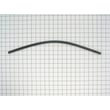
- Drain line issues (kinks, splits, clogs): dishwasher drain hose WD24X10014
Why it matters
A dishwasher that won’t run or won’t drain is often a simple power or latch issue; catching that first prevents unnecessary part replacement. If the unit runs but performance is poor, focusing on spray and drainage components restores wash pressure and cycle completion.
Last updated: February 2026
Are GE dishwashers a good brand?
Yes. GE dishwashers are a solid, dependable brand choice for most homes because they balance cleaning performance, practical features, and long-term serviceability. For your GE GSM2260V00SS dishwasher, we also see strong support through model-specific documentation and widely available replacement parts.
What “good brand” means in real-world use
A dishwasher brand is “good” when it consistently delivers these basics:
- Cleans well with normal loading and correct detergent use
- Drains reliably and runs full cycles without frequent resets
- Has parts availability for common wear items (racks, pumps, seals, switches)
- Has clear operating and installation instructions for safe, correct setup
- Is serviceable without requiring a full replacement for typical failures
What we recommend for best results with GE dishwashers
Using the dishwasher correctly matters as much as the badge on the door. Based on the GSM2260V00SS documentation, we recommend:
- Use only automatic dishwasher detergent and keep it fresh and dry
- Adjust detergent amount to your water hardness (hard water needs more; soft water needs less)
- Keep rinse aid filled for better drying and fewer spots (a full dispenser typically lasts about a month)
- If your unit is on a wall switch, turn it on and wait 5 to 20 seconds before pressing Start
- Follow the installation requirements so the dishwasher can be removed later for service
For model-specific operating details, use the GSM2260V00SS owner’s manual.
Parts support (a big reason GE can be a “good” choice)
If performance drops over time, GE dishwashers are often economical to maintain because common fixes are part replacements, not full unit replacement.
| Common symptom | Often involved part area | Example part for GSM2260V00SS |
|---|---|---|
| Not cleaning well | Spray and circulation | Dishwasher spray arm, lower WD12X10244 |
| Not draining | Drain path and drain components | Dishwasher drain hose (WD24X10014) |
| Leaking at the door | Door sealing surfaces | Dishwasher door seal (WD08X10057) |
Why it matters
A “good” dishwasher brand is one you can keep running efficiently. With GE, correct detergent and rinse aid use plus straightforward access to service parts helps you maintain wash quality and extend the appliance’s useful life.
Last updated: February 2026
How to remove the filter and spinner on GE dishwasher?
On the GE GSM2260V00SS dishwasher, we remove the lower rack first, then lift out the coarse filter screen and any sump cover pieces so you can clean debris and restore wash performance. Use the steps in the GSM2260V00SS owner’s manual for the exact layout of your filter and spray arm.
Steps to remove the filter and “spinner” (spray arm)
- Turn off power at the breaker and let the unit cool before reaching into the tub.
- Pull the lower dishrack all the way out and lift it off the rails.
- Remove any loose food debris from the sump area by hand.
- Lift out the coarse filter screen (some versions lift straight up; others release after you squeeze tabs on a plastic sump cover).
- Remove the lower spray arm (spinner) by turning the retaining nut or center hub counterclockwise, then lift the arm off.
- Rinse parts under warm water; use a soft brush or toothpick to clear spray holes.
What to check while it’s apart
| What you see | What it usually means | What to do next |
|---|---|---|
| Standing water and debris in sump | Drain path restriction | Clean sump area; check drain hose routing and air gap (if used) |
| Spray holes clogged | Poor wash pressure | Clean holes; confirm arm spins freely |
| Heavy residue on screen | Infrequent maintenance | Clean monthly; scrape dishes before loading |
Parts that commonly affect cleaning and circulation
If cleaning the filter and spray arm does not help, these model-matched parts are common next checks:
- Dishwasher spray arm, lower WD12X10244 (clogged or damaged spray holes)
- Dishwasher circulation pump WD19X10020 (weak circulation)
- GE dishwasher pump and motor assembly WD26X10051 (noisy, not pumping, or poor wash action)
Why it matters
A blocked filter or clogged spray arm reduces water flow, which leads to gritty dishes, detergent not dissolving, and longer cycle times. Regular filter and spray arm cleaning helps the pump maintain proper circulation.
Last updated: February 2026
Why is my GE dishwasher leaking from the bottom?
A bottom leak on your GE GSM2260V00SS dishwasher is usually caused by a door sealing issue (dirty or worn seal, door not closing squarely) or a leak underneath during fill or drain. Start by checking for door rub against cabinets, then inspect hoses and pump-area connections.
Quick checks we recommend first
- Look for water tracks at the bottom corners of the door after a cycle.
- Check that the door closes firmly and the latch pulls the door tight.
- Inspect the door seal for tears, flattening, or debris stuck to it.
- Confirm the dishwasher is not rubbing or hitting adjacent cabinets (misalignment can cause door leaks).
- Watch for leaks under the unit during the first fill and again during the drain portion.
Door-area causes (most common)
The installation instructions note that door leaks can happen when the door rubs or hits adjacent cabinets; repositioning the dishwasher corrects the seal contact.
| What you see | Likely cause | What to do |
|---|---|---|
| Leak at bottom corners of door | Seal not sealing evenly, door alignment issue | Clean seal, check for cabinet interference, verify door closes squarely |
| Leak only when heavily loaded | Spray deflection from loading or blocked spray arm | Re-load to keep items from blocking spray path; verify spray arm spins freely |
| Leak around entire door edge | Door seal worn or deformed | Replace the door seal if it is torn, hardened, or permanently flattened |
Helpful part: If the gasket is damaged, replace the dishwasher door seal WD08X10057.
Under-dishwasher leaks (fill and drain)
During installation verification, GE recommends checking for leaks under the dishwasher and tightening connections. Also check the drain line for leaks when the dishwasher drains.
- Inspect the dishwasher drain hose WD24X10014 for cracks, loose clamps, or a split at the ends.
- Check the pump and motor area for drips, especially during drain.
- If you see leaking near the drain mechanism, inspect the drain solenoid linkage and mounting.
Why it matters
Even a small leak can damage flooring and cabinets, and it can also trigger float-related shutoffs that interrupt washing. Fixing alignment, seals, and hose connections restores proper wash performance and prevents repeat leaks.
For model-specific alignment and leak-check steps, follow the GSM2260V00SS installation guide.
Last updated: February 2026
What is the average lifespan of a GE dishwasher?
A GE dishwasher typically lasts 10 to 12 years. For your GE GSM2260V00SS, lifespan depends most on water quality, detergent use, and routine cleaning; consistent maintenance of the tub seals, spray system, and drain path helps you reach the upper end of that range.
Typical lifespan (what to expect)
Most residential dishwashers, including GE models, run reliably for about a decade with normal use.
- Average: 10 to 12 years
- Common overall range: 8 to 15 years
- Biggest life-shorteners: hard water scale, chronic leaks, and running with clogged spray arms or poor draining
| Usage pattern | What we typically see | Best habit to extend life |
|---|---|---|
| 1 load/day | Around the average | Clean and inspect monthly |
| Heavy use (2+ loads/day) | Shorter lifespan | Prevent clogs and scale |
| Light use (few loads/week) | Can last longer | Run hot cycles periodically |
What matters most for extending life
Use these practices to reduce wear on the pump, motor, and seals.
- Use dishwasher detergent only; keep it fresh and dry (per the GSM2260V00SS owner’s manual)
- Use rinse agent to improve drying and reduce spotting and film buildup
- Match detergent amount to water hardness; very hard water often needs a softener
- Keep the drain path clear so the unit does not run with standing water
- Load so spray arms can spin freely (avoid tall items blocking rotation)
Parts that commonly drive “end of life” decisions
If performance drops, these are frequent repair points on many GE dishwashers.
- Wash performance issues: circulation pump or pump and motor assembly
- Not draining: drain hose, drain solenoid, or drain path restrictions
- Leaks: door seal and tub sealing surfaces
A common example is replacing the GE dishwasher pump and motor assembly WD26X10051 when the unit hums, won’t circulate, or cleans poorly.
Why it matters
Knowing the typical lifespan helps you decide whether to repair or replace. If your GSM2260V00SS is near 10 to 12 years old, a major repair (pump/motor, timer, or repeated leak repairs) often becomes a cost-versus-age decision.
Last updated: February 2026
How to unclog a drain in a GE dishwasher?
To unclog the drain on a GE dishwasher like model GSM2260V00SS, we shut off power, remove standing water, clear debris from the sump and drain path, then inspect the drain hose and sink connection (air gap or disposer) for a blockage so the unit can pump out normally.
Safe, effective steps (in order)
- Turn off power at the breaker; do not rely only on the control knob.
- Bail out standing water so you can see the sump area clearly.
- Remove and rinse any screens or covers in the bottom; pull out food, glass, labels, and twist ties.
- Check the drain path at the sink: clear the air gap (if installed) and confirm the disposer inlet plug was removed.
- Inspect the drain hose for kinks, sags, or a crushed section; straighten the routing.
- If the hose is clogged, disconnect it at the sink end and flush it with hot water; a flexible brush helps.
- Reconnect everything and run a short fill and drain to confirm strong draining and no leaks.
What to check at the sink connection
| Where the dishwasher drains | Most common clog point | What to do |
|---|---|---|
| Garbage disposal | Knockout plug still in place | Remove the plug, then retest draining |
| Air gap (countertop) | Debris in cap or outlet | Clean the air gap and outlet hose |
| Sink tailpiece (no disposal) | Grease or food buildup | Clean the tailpiece nipple and hose |
Parts that commonly cause “won’t drain” symptoms
If the drain path is clear but water still stays in the tub, these parts are common suspects on many GE dishwashers:
- Drain hose (splits, internal collapse, heavy buildup): dishwasher drain hose WD24X10014
- Drain solenoid assembly (does not actuate the drain mechanism): GE dishwasher drain solenoid assembly WD21X10268
- Pump and motor assembly (weak pumping, noisy, intermittent): GE dishwasher pump and motor assembly WD26X10051
Why it matters
A partial clog forces the dishwasher to drain slowly, which can leave dirty water in the sump, cause odors, and reduce cleaning performance. A quick hose and air-gap/disposer check often fixes the problem without major disassembly.
For model-specific drain hose routing and connection details, follow the installation guide.
Last updated: February 2026





