Owner’s manual
 Error Codes


What is the highest rated side-by-side refrigerator?
The “highest rated” side-by-side refrigerator depends on who is doing the rating and what they score most (temperature stability, ice maker performance, noise, features, price). For a GE side-by-side like model GSS25GSHLCSS, we recommend comparing current third-party rankings, then matching the winner’s size, features, and serviceability to your kitchen and needs.
How to choose the right “highest rated” model
When you compare side-by-side refrigerators, we focus on the factors that most often drive real-world satisfaction:
- Fit: width, height, depth, and door swing clearance
- Cooling performance: steady temps in fresh food and freezer
- Ice and water reliability: consistent dispensing, fewer clogs and leaks
- Noise: modern compressors and fans can sound different than older units
- Parts support: availability of common repair parts (filters, valves, sensors)
Quick comparison checklist (use this when reading rankings)
| What the reviewer measures | What it means for you | What to verify before buying |
|---|---|---|
| Temperature stability | Better food preservation | Independent temp tests and long-run reviews |
| Ice maker output | More ice per day | Your household usage and bin capacity |
| Water filtration | Better taste, fewer particles | Filter type, cost, and replacement interval |
| Energy use | Lower operating cost | ENERGY STAR info and real-user feedback |
How this relates to your GE GSS25GSHLCSS
If you are using “highest rated” as a benchmark for upgrades or repairs, it helps to know what your current refrigerator is designed to do:
- Many GE side-by-sides in this family include an automatic icemaker that can produce about 100 to 130 cubes per 24 hours under typical conditions.
- Water filtration and dispenser performance depend heavily on using the correct filter and installing it correctly.
- Normal operating sounds can include compressor hum, fan noise, and pressure equalization “whoosh” when doors close.
For model-specific operating details and features, use the GSS25GSHLCSS owner’s manual.
Why it matters
A “top-rated” refrigerator on a list can still be a poor choice if it does not fit your space, match your ice and water needs, or have affordable replacement parts. Choosing based on measurable performance plus long-term maintainability usually delivers the best ownership experience.
Last updated: January 2026
Is GE side-by-side a good refrigerator?
Yes. GE side-by-side refrigerators like model GSS25GSHLCSS are a strong choice when you want easy access to both fresh food and frozen items, steady temperatures, and convenient features such as an ice maker and water dispenser. For day-to-day use, they balance storage, visibility, and reliability well; see the GSS25GSHLCSS owner's manual for the exact features and care guidelines for your unit.
What “good” looks like for this GE side-by-side
A good refrigerator keeps temperatures stable, seals tightly, and delivers consistent ice and water. On this model family, the manual highlights core usability areas such as controls, shelves and bins, and the ice and water dispenser.
- Spacious, organized storage with adjustable shelving and door bins
- Bright interior lighting for visibility
- Built-in ice maker and external dispenser convenience
- Straightforward controls and common GE features (varies by configuration)
- Widely available replacement parts for long-term ownership
Common tradeoffs customers notice
Side-by-side designs have strengths, but there are a few typical compromises to expect.
| What you want | Side-by-side typically delivers | Typical tradeoff |
|---|---|---|
| Easy access to freezer items | Yes, at eye level | Narrower freezer shelf width |
| Lots of fresh-food space | Yes, tall shelves | Wide platters may fit better in French door styles |
| Ice and water on the door | Often included | Ice maker noise and slower harvest can happen |
If performance is the concern, check these first
Many “not good” complaints trace back to maintenance or a single failing part.
- Replace the water filter on schedule (often every 6 months, sooner if flow drops)
- Confirm doors close fully and gaskets seal all the way around
- Keep vents inside the compartments unblocked for proper airflow
- If water dispensing is weak, inspect the filter and consider the GE refrigerator water filter XWFE
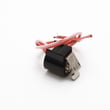
- If temperatures swing, a sensor issue can be involved; the GE profile refrigerator temperature sensor WR55X10025 is a common control input part
Why it matters
A side-by-side that is maintained (filters changed, airflow kept clear, doors sealing) holds safer food temperatures, reduces compressor run time, and keeps the ice maker and dispenser working consistently.
Last updated: January 2026
What is the most common problem with a GE refrigerator?
Cooling problems are the most common issue we see with GE refrigerators, including the GE GSS25GSHLCSS. In many cases, the refrigerator warms up because airflow is restricted, the defrost system is failing, or the sealed system is not running efficiently.
What “cooling problem” usually looks like
- Fresh food section is warm but freezer seems closer to normal
- Freezer is warm and ice cream is soft
- Frost builds up on the freezer back wall (defrost issue)
- Compressor runs a lot, or you hear clicking and it will not start
- Temperatures swing even though settings look correct
Quick checks we recommend first
Start with the simplest, highest-impact items before replacing parts.
- Confirm the temperature settings and give changes 24 hours to stabilize
- Make sure vents inside both compartments are not blocked by food packages
- Clean dust from the condenser area (restricted heat release causes poor cooling)
- Check door gaskets for gaps, tears, or areas that do not seal
- Listen for the evaporator fan; it should run when the compressor is running
Common causes and the parts that often fix them
| Symptom | Most likely area | Example model-matched part |
|---|---|---|
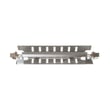
| Frost on freezer back wall, warm fridge | Defrost system | Refrigerator defrost heater WR51X10055 |
| Temps drift high or fluctuate | Temperature sensing/control | GE profile refrigerator temperature sensor WR55X10025 |
| Warm fridge, weak airflow | Evaporator fan system | Refrigerator evaporator fan motor WR60X10307 |
Why it matters
A refrigerator that cannot hold safe temperatures can spoil food quickly and can also overwork the compressor, turning a small airflow or defrost issue into a bigger repair.
Where to confirm model-specific diagnostics
Use the GSS25GSHLCSS owner’s manual to locate the controls, understand normal operation (including features like TurboCool and the icemaker/dispenser sections), and follow any troubleshooting steps for temperature complaints.
Last updated: January 2026
How to restart a GE side-by-side refrigerator?
To restart your GE GSS25GSHLCSS side-by-side refrigerator, we recommend a simple power cycle: unplug the refrigerator, wait 5 minutes, then plug it back in. This clears many minor control glitches and lets the compressor attempt a normal restart.
Restart steps (power cycle)
- Unplug the refrigerator from the wall outlet.
- Wait a full 5 minutes (this protects the compressor during restart attempts).
- Plug the refrigerator back in.
- Listen for normal startup sounds (fans, relays, compressor).
- Allow 24 hours for temperatures to fully stabilize after any restart.
What to expect after you plug it back in
You may hear clicks, pops, or brief cycling as the electronic controls and compressor restart. On this style of GE refrigerator, the compressor can take up to about 5 minutes to successfully restart after power is restored.
| What you notice | What it usually means | What to do |
|---|---|---|
| Clicking for a few minutes | Compressor trying to restart | Wait 5 minutes; avoid repeated unplugging |
| Fans running | Normal airflow and cooling | Let it run; check temps later |
| No lights or display | No power to the unit | Check outlet, breaker, and cord seating |
| Cooling seems slow | Normal after restart or warm load | Give it up to 24 hours |
If you are restarting to fix a specific problem
A restart helps most with control-board hiccups, dispenser odd behavior, or after a brief outage. If the issue is water or ice related, also check the filter and water supply.
- If water flow is weak or the icemaker is slow, replace the filter and flush the system.
- If you are out of filters, use a bypass plug so the dispenser and icemaker can operate.
- If the dispenser still will not dispense water after a restart, the water inlet valve can be the cause.
Helpful references for this model:
- GSS25GSHLCSS owner’s manual
- How to replace the water filter in a GE refrigerator
- GE refrigerator water filter XWFE
Why it matters
Restarting the refrigerator the right way prevents hard starts that stress the compressor and helps the electronic control board reinitialize cleanly, which often resolves intermittent cooling, dispenser, and alarm issues.
Last updated: January 2026