Owner’s manual




How often should I change my Kenmore vacuum filter?
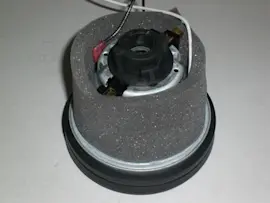
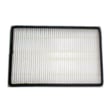
For Kenmore canister vacuum model 11625614506, we replace the motor safety filter about every 3 to 6 months for typical home use, and we change the exhaust filter when it looks dirty or airflow drops. Follow the filter-change steps in the 11625614506 owner's manual.
Recommended filter-change schedule
Use this as a practical baseline; homes with pets, heavy carpet, or frequent vacuuming usually need shorter intervals.
- Motor safety filter: replace every 3 to 6 months
- Exhaust filter: replace when gray, dusty, or restricting airflow
- Replace sooner if you notice odor, reduced suction, or the vacuum runs hotter than normal
- If you recently had a bag break or major dust spill, replace filters right away
Quick signs it is time to change the filter
- Suction is weaker even with a new bag
- The canister smells dusty or musty while running
- The vacuum sounds strained (higher pitch) or feels warmer than usual
- Visible dirt buildup on the filter media
What to do before you blame the filter
Many “needs a filter” symptoms are actually airflow restrictions.
| Check | What to look for | What to do |
|---|---|---|
| Bag | Overfull, torn, or poor seal | Install a fresh bag and reseat it correctly |
| Hose and wand | Clog, sock, hair plug | Clear the blockage end-to-end |
| Nozzle/Power-Mate | Brush roll packed with hair | Clean the agitator area and remove debris |
| Filter fit | Filter not seated | Reinstall so air cannot bypass it |
Why it matters
Filters protect the motor and keep airflow strong. Replacing a clogged motor safety filter and a dirty exhaust filter helps maintain suction, reduces dust blow-by, and can prevent overheating during longer cleaning sessions.
Last updated: February 2026
Is the Kenmore 11625614506 a good vacuum?
Yes. The Kenmore canister vacuum model 11625614506 is a solid choice for everyday home cleaning when it’s assembled, operated, and maintained as directed; like most canister vacuums, it performs best when you keep up with routine care items such as bags, filters, and belts (all normal wear items).
What “good” means for this model
A “good” vacuum is one that fits your floors, is comfortable to use, and stays reliable with normal maintenance. For the Kenmore 11625614506, we focus on:
- Consistent suction (depends heavily on clean filters and an unclogged airflow path)
- Ease of use (hose, wand, and attachments working smoothly)
- Long-term upkeep (regular replacement of wear items)
- Serviceability (clear maintenance steps in the manual)
For model-specific operating and care guidance, use the owner's manual.
Maintenance that keeps performance “good”
The manual highlights routine care tasks that directly affect cleaning results. Plan on these common upkeep items and intervals (typical for bagged canister vacuums):
- Replace the vacuum bag when it’s full or suction drops
- Clean or replace filters on schedule (more often with pets or heavy dust)
- Check the brush roll/agitator area for hair and string buildup
- Replace the belt if the brush stops spinning or performance drops on carpet
- Inspect the hose and wand for clogs if suction suddenly decreases
Quick comparison: “good fit” checklist
| Home situation | Usually a good fit? | What to watch |
|---|---|---|
| Mostly carpet and rugs | Yes | Belt and brush roll condition |
| Mostly hard floors | Yes | Floor tool setting and airflow clogs |
| Pets and heavy shedding | Yes | Bag fill rate and filter cleaning |
| Allergy-sensitive home | Often | Keep bags and filters changed on time |
Why it matters
A canister vacuum can feel “not very good” even when nothing is broken; a full bag, dirty filter, worn belt, or clogged hose can reduce suction and brush action fast. Staying ahead of those wear items keeps the Kenmore 11625614506 cleaning the way it was designed to.
Last updated: February 2026
Does a Kenmore canister vacuum have a fuse?
Yes, Kenmore canister vacuums like model 11625614506 commonly include a protective device in the electrical circuit (often a fuse or thermal protector) to help prevent motor damage from overheating or an electrical fault. Your 11625614506 owner's manual covers the safety and service information for this vacuum.
What “fuse” usually means on a canister vacuum
Many canister vacuums protect the motor with a motor safety filter and/or a thermal cutout that opens if the motor overheats. Some designs also use a replaceable fuse in the power path.
Common protection types you may see:
- Thermal protector (auto-reset or manual-reset) inside the motor housing
- Replaceable fuse in the wiring harness or control area (less common)
- Circuit breaker/reset on certain power nozzle designs
- Overheat protection triggered by airflow restriction (clog, full bag, dirty filters)
How to tell which protection your 11625614506 uses
Use these checks to narrow it down safely:
- Unplug the vacuum and let it cool 30 to 60 minutes; then try again (thermal protector symptom)
- Check for airflow restrictions: full bag, clogged hose, blocked wand, blocked nozzle
- Inspect and service filters per the manual (dirty filters can overheat the motor)
- If the vacuum is completely dead, test the outlet and cord first
- If you’re comfortable with electrical testing, use a meter to check continuity through the power path
Quick symptom guide
| Symptom | Most likely cause | What to do first |
|---|---|---|
| Runs, then shuts off | Overheating protection | Clear clogs, change bag, clean/replace filters, cool down |
| Completely dead, no sound | Power issue or open protection device | Check outlet, cord, switch, then test continuity |
| Smells hot or burning | Restricted airflow or failing motor | Stop use, clear restrictions, inspect filters |
Why it matters
A “blown fuse” symptom is often overheating from low airflow, not a bad motor. Fixing the bag, hose clog, or filters first prevents repeat shutdowns and helps the motor last longer.
Last updated: February 2026
What's the best canister vacuum cleaner?
The “best” canister vacuum depends on your floors, pets, and filtration needs. If you already own the Kenmore 11625614506 canister vacuum, the best choice is usually keeping it performing like new by using the correct dust bag and filters and keeping airflow passages clear (that is what most often restores suction and cleaning results). See the owner's manual for the exact bag and filter types listed for this model.
How to choose the best canister vacuum for your home
We recommend matching the vacuum style to your cleaning priorities:
- Bagged vs. bagless: Bagged models typically control dust better and keep suction steadier as they fill.
- Filtration: If allergies are a concern, prioritize sealed airflow and high-efficiency filtration.
- Floor mix: Homes with lots of hard floors benefit from a smooth floor tool; carpeted homes benefit from a strong power nozzle.
- Pets: Look for strong agitation at the nozzle plus a mini brush tool for upholstery.
- Cord and hose reach: Longer reach reduces outlet changes and makes stairs easier.
What “best” means in real-world performance
For most households, “best” comes down to these measurable factors:
| What you care about | What to look for | Why it helps |
|---|---|---|
| Strong pickup | High airflow at the nozzle | Lifts debris from carpet and cracks |
| Cleaner exhaust | Quality exhaust filter and good sealing | Reduces dust blowback |
| Easy handling | Stable canister, smooth casters, comfortable wand | Less fatigue, better coverage |
| Reliability | Simple maintenance, available wear parts | Fewer breakdowns over time |
If you already have Kenmore model 11625614506: get “best” results from it
Your Kenmore canister is designed to move dirt to the dust bag through airflow passages; when the bag is full or airflow is blocked, cleaning performance drops. For best cleaning results, we follow these basics from the care and safety guidance:
- Change the dust bag when the performance indicator comes on or suction drops.
- Check for clogs in the airflow path (hose, wand, nozzle) and clear them.
- Inspect and replace the motor safety filter and exhaust filter on schedule.
- Keep the vacuum assembled correctly; running without the bag and filters can reduce airflow and cause damage.
- Unplug the vacuum before checking for blockages or doing maintenance.
Why it matters
A canister vacuum can feel “weak” even when the motor is fine; a full bag, dirty filter, or partial clog is the most common reason suction and pickup fall off.
Last updated: February 2026