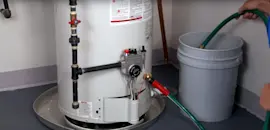
Owner’s manual
 Error Codes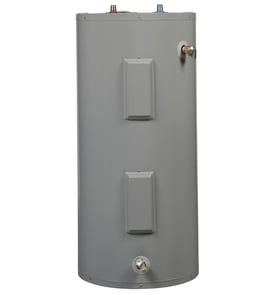






Is it cheaper to repair or replace a water heater?
For an American Water Heaters EE3Z50RD055V, it’s usually cheaper upfront to repair a single failed component (like an element or sensor), but replacement is typically the better long-term value when the tank is leaking, the unit is near the end of its service life, or multiple major parts are failing.
How we decide: repair vs. replace
We look at the failure type first, then the age and overall condition.
- Repair when the tank is sound and the problem is isolated (no hot water, slow recovery, error code, minor leak at a valve).
- Replace when the tank itself is leaking (corrosion or seam leak), or when repairs are stacking up.
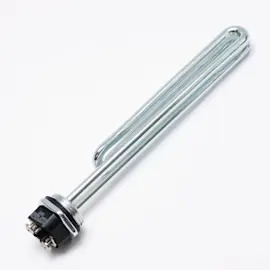
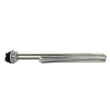
- Repair is often practical if you can restore operation with a common service part like the element 100108967 or water heater thermistor kit 100093745.
- Replace is often practical if you need multiple electrical parts plus labor (for example, sensors plus control board plus elements).
- Always follow the safety and diagnostic steps in the EE3Z50RD055V use & care manual before servicing.
Quick cost logic (simple rule of thumb)
| Situation | Usually cheaper now | Usually better long-term |
|---|---|---|
| No hot water, breaker OK, one part failed | Repair | Repair |
| Repeated element failures from sediment | Repair (plus maintenance) | Depends |
| Control issues plus sensor issues | Depends | Replace if recurring |
| Tank leak (not a fitting/valve) | Replace | Replace |
What to check on this model before spending money
The EE3Z50RD055V manual includes a diagnostic light and flash codes; those codes help you avoid replacing the wrong part.
- Confirm power and breaker status (240V supply)
- Read the diagnostic light flashes and match them to the chart
- If you see element-related codes, inspect wiring and consider the correct element for the unit
- If you see sensor-related codes, the thermistor kit is a common fix
- If the control has no power indication and supply is correct, the control board may be suspect
For code interpretation help, use American electric water heater error codes.
Why it matters
A targeted repair can restore hot water quickly and keep costs down, but replacing a leaking tank avoids repeated service calls and water damage risk. Using the diagnostic chart first helps you choose the right path for your EE3Z50RD055V.
Last updated: January 2026
What are the parts of an electric water heater?
For the American Water Heaters EE3Z50RD055V electric water heater, the main parts include the tank, heating elements (upper and lower), temperature control system (electronic control board and sensors), dip tube, anode rod, drain valve, and the temperature and pressure (T&P) relief valve. See the EE3Z50RD055V use & care manual for the model’s repair parts illustration and safety notes.
Main components you will typically find
These are the most common serviceable parts on the EE3Z50RD055V and what they do:
- Tank: stores and insulates hot water.
- Upper and lower heating elements: heat the water in stages for recovery.
- Temperature control system: manages set temperature and operating modes.
- Temperature sensors (thermistors): report water temperature to the control.
- Dip tube: directs incoming cold water to the bottom of the tank.
- Anode rod: helps protect the tank from corrosion.
- Drain valve: allows draining and flushing sediment.
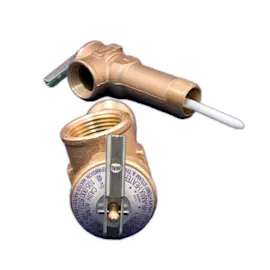
- T&P relief valve: safety device that relieves excess temperature or pressure.
Parts you may replace most often
If you are troubleshooting “no hot water,” slow recovery, or error codes, these parts are commonly involved:
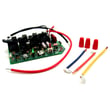
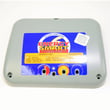
- Water heater electronic control board kit 100093769 (control logic and diagnostics)
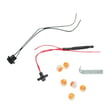
- Water heater thermistor kit 100093745 (temperature sensing)
- Lower element 100093526 or element 100108967 (heating)
- Water heater dip tube 100089234 (hot water output issues)
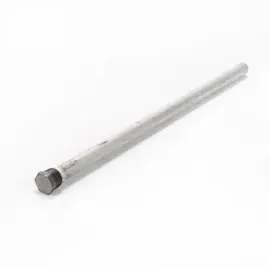
- Water heater anode rod 100110266 (odor and tank protection)
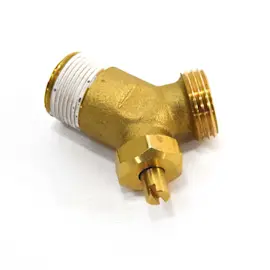
- Drain valve 100108269 (leaks at drain or flushing problems)
Quick “what it does” reference
| Part | What it affects | Common symptom when failing |
|---|---|---|
| Heating element | Heating and recovery | Not enough hot water, slow recovery |
| Thermistor/sensor | Temperature accuracy | Error codes, temperature swings |
| Control board | Operation and diagnostics | No heat, diagnostic light issues |
| Dip tube | Hot water delivery | Lukewarm water quickly, short hot draws |
| Anode rod | Corrosion protection | Odor, faster tank deterioration |
Why it matters
Knowing the major components helps you troubleshoot safely and buy the correct replacement part for EE3Z50RD055V. It also helps you match symptoms (no hot water, overheating, dripping valve, odor) to the most likely repair path.
Last updated: January 2026
What is the average cost of a 50-gallon electric water heater?
A typical 50-gallon electric water heater averages about $1,000 to $1,800 installed in the U.S. (often $400 to $800 for the tank plus $700 to $1,000 for installation). For the American Water Heaters EE3Z50RD055V, your final price mainly depends on tank efficiency, local labor rates, and any plumbing or electrical updates needed.
What drives the price up or down?
- Tank warranty and efficiency: higher efficiency and longer warranty tiers usually cost more.
- Form factor: tall vs. short models can change pricing and availability.
- Electrical work: a new breaker, wiring, or conduit can add cost.
- Plumbing updates: shutoff valve, expansion tank, or piping changes can add labor and parts.
- Code requirements: items like a drain pan, seismic strapping, or discharge piping may be required.
Typical cost ranges (quick guide)
| Cost item | Common range | Notes |
|---|---|---|
| 50-gallon electric tank | $400 to $800 | Standard double-element units are usually in this band |
| Installation labor | $700 to $1,000 | Varies by region and complexity |
| Total installed | $1,000 to $1,800 | Can be higher with upgrades or difficult access |
Model-specific notes for EE3Z50RD055V
Our documentation for the EE3Z50RD055V focuses on installation, operation, and maintenance rather than retail pricing. Use the EE3Z50RD055V installation instructions and use & care guide to confirm requirements that can affect install cost, such as electrical supply, discharge line routing, and recommended accessories.
Why it matters
A water heater quote is not just the tank price; installation details (electrical capacity, piping layout, and safety components) often determine whether your project stays near the average or climbs well above it.
Last updated: January 2026
What is the life expectancy of a 50-gallon electric water heater?
A 50-gallon electric water heater typically lasts 10 to 15 years. For American Water Heaters model EE3Z50RD055V, lifespan is strongly influenced by sediment control and corrosion protection steps outlined in the EE3Z50RD055V use & care manual.
What most affects lifespan
On tank-style electric water heaters, the tank and anode rod are the main life-limiting items; heating elements and controls are service parts.
- Sediment buildup can overheat elements and stress the tank
- Water chemistry (hard or aggressive water) can accelerate corrosion
- Temperature setting higher than needed increases scale and wear
- Anode rod condition determines how well the tank is protected from rust
- Pressure and expansion issues can cause nuisance dripping at the T&P valve
Maintenance timing (model-relevant)
The EE3Z50RD055V manual calls out routine flushing and anode rod inspection; the key is that the 3-year anode check is an inspection point that may lead to replacement if it is worn.
| Maintenance item | When to do it | What you do | Why it helps |
|---|---|---|---|
| Drain and flush tank | Every 6 months | Drain, flush sediment, refill | Reduces sediment noise and premature tank failure |
| Anode rod inspection | Every 3 years | Remove and inspect; replace if more than 50% depleted | Slows tank corrosion and leaks |
| T&P relief valve check | Yearly | Lift and release lever briefly (use caution) | Confirms pressure safety function |
If inspection shows the rod is heavily depleted, replacing it can help extend tank life; use the compatible water heater anode rod 100110266.
Signs it may be nearing end of life
- Rusty or discolored hot water
- Moisture at the tank base or water in the drain pan
- Popping or rumbling during heat-up (sediment)
- Hot water runs out faster than before
- Repeated no-heat issues after element or sensor checks
Why it matters
Staying on top of flushing and anode rod inspection helps protect the tank itself, which is the most expensive part to replace and the most common reason a water heater reaches end of service life.
Last updated: January 2026