 Installation guide
 Owner’s manual



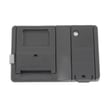
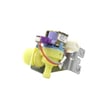
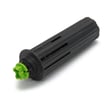

Can a clogged drain cause an FTD error?
Yes. On the GE GDF520PGD2CC dishwasher, an FTD (fail to drain) condition commonly happens when water cannot pump out due to a clog in the drain path, such as a blocked air gap, disposer connection, filter area, or drain hose. See the GDF520PGD2CC owner’s manual for model-specific drain checks.
What to check first (fast, common fixes)
- Turn the dishwasher off, then check for standing water in the tub.
- If you have an air gap, remove the cover and cap and clean out debris.
- If the dishwasher drains into a garbage disposal, run the disposal clear.
- Confirm the kitchen sink drains normally; a slow sink often points to a plumbing restriction.
- Inspect the drain hose for kinks, crushing, or a low spot that can trap debris.
Drain-path checklist (where clogs usually hide)
| Area to check | What you’re looking for | Typical result |
|---|---|---|
| Air gap (if installed) | Food debris buildup | Dishwasher drains better after cleaning |
| Disposer inlet | Plug or blockage at the connection | Water starts pumping out normally |
| Drain hose | Kink, clog, or improper routing | Improved flow after correcting hose |
| Filter area | Debris restricting water movement | Better draining after cleaning |
Parts that can be involved if cleaning does not fix it
If the drain path is clear but the dishwasher still will not drain, a failed pump or a restricted hose can be the next step.
- Dishwasher drain hose WD24X10062 (check for internal blockage or damage)
- Dishwasher drain pump WD19X25187 (can fail electrically or mechanically)
Why it matters
A clogged drain can leave water standing in the bottom of the tub, which can trigger drain errors, cause odors, and reduce wash performance. Clearing the drain path also helps protect against backup from a clogged sink drain.
Last updated: January 2026
How does GE dry boost work?
On the GE GDF520PGD2CC dishwasher, “Dry Boost” is a drying feature that improves drying performance by reducing leftover water droplets on dishes, including plastics, so items come out drier and need less towel drying. For option details on your exact control panel, use the GDF520PGD2CC owner's manual.
What you should expect from Dry Boost
Dry Boost is designed to help with the most common drying complaints (wet plastics, puddles on concave items, and water clinging to glassware). Results improve when you combine the feature with good loading and rinse aid use.
- Plastics dry better than with air-dry alone
- Glasses and silverware come out with fewer droplets
- Drying is best when the dishwasher can vent moisture and retain heat
- Cycle time may be longer when enhanced drying is selected
- Performance depends on incoming water temperature and how the unit is loaded
Best settings and habits for better drying
Use these steps on the GDF520PGD2CC to get the most from any enhanced drying option.
- Use rinse aid and keep the dispenser filled
- Select a cycle appropriate for soil level (Normal for everyday, Heavy for baked-on)
- If available on your model, pair drying with a heated dry option
- Load plastics on the top rack and angle cups and bowls downward
- After the cycle ends, crack the door open 2 to 4 inches for 10 to 15 minutes to vent steam
Quick comparison: what changes drying results most
| Change | Helps plastics? | Helps glass/metal? | Effort |
|---|---|---|---|
| Turn on Dry Boost (or enhanced drying) | High | Medium | Low |
| Add/maintain rinse aid | High | High | Low |
| Improve loading and drainage angles | Medium | Medium | Medium |
| Use hotter wash options when needed | Medium | High | Medium |
Why it matters
Dishwasher drying is mostly about heat plus water sheeting off surfaces. Plastics hold less heat than glass or ceramic, so they stay wet longer. Dry Boost helps reduce droplets and improve evaporation so you unload sooner with less hand-drying.
Related DIY help
If the dishwasher runs but dishes still come out wet, follow the troubleshooting steps in the dishwasher not drying dishes video.
Last updated: January 2026
What is the most common problem with a GE dishwasher?
The most common GE dishwasher problems are poor draining, not starting, and poor cleaning, and they usually trace back to basic items like a dirty filter, a blocked drain path, or a door that is not fully latched. For GE model GDF520PGD2CC, start with the filter-cleaning and “before you call for service” checks in the GDF520PGD2CC owner’s manual.
Most common issues and what to check first
- Not draining: food debris in the filter area, a kinked/blocked drain hose, or a clogged sink/disposal connection.
- Won’t start or stops mid-cycle: door not fully closed, Start sequence not completed, or the door latch not engaging.
- Not cleaning well: filters need cleaning, spray arms blocked by labels or debris, or loading issues.
- Not drying: rinse aid empty, heater-related issue, or cycle selection.
- Beeping or flashing Start light: often tied to the door being opened or the cycle being interrupted.
Quick troubleshooting flow (fastest wins)
- Reset the cycle: press Start per the manual guidance, then close the door firmly.
- Clean the filters: GE recommends inspecting periodically (about every other month, depending on use) and cleaning if wash performance drops.
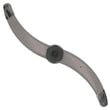
- Check spray arms for clogs: clear blocked holes and confirm the arms spin freely; a worn arm can be replaced (example: dishwasher spray arm, lower WD22X33499).
- Confirm the drain path is clear: check the drain hose routing and the sink/disposal inlet.
- If it still won’t run: inspect the latch area; a failed latch can prevent operation (example: GE dishwasher door latch lock WD21X10490).
Symptoms vs. likely causes (at-a-glance)
| Symptom | Most likely cause | Best first step |
|---|---|---|
| Water left in tub | Filter/drain restriction | Clean filters; check drain hose |
| Beeps once every minute | Door left open during operation | Press Start and close door |
| Start light flashing | Door opened or cycle interrupted | Restart per manual |
| Gritty dishes | Filters need cleaning | Clean filters and re-run |
Why it matters
Most “common problems” are maintenance or setup related. Cleaning filters and keeping the drain path clear restores wash performance, prevents odors, and reduces strain on the drain pump and circulation system.
Last updated: January 2026





