Installation guide


How to hard reset kenmore washer?
To hard reset a Kenmore washer like model 41727182702, we disconnect power long enough for the control to fully power down, then restore power and run a quick test cycle. This clears many temporary control glitches and some error conditions.
Hard reset steps (works for most Kenmore washers)
- Press Pause/Cancel (or Stop) once to end the cycle.
- Turn the cycle selector to Off.
- Unplug the washer (or switch the breaker off).
- Wait 2 minutes.
- Restore power.
- Select a Rinse/Spin (or a short cycle) and press Start.
If the washer still will not start
These checks fix the most common “looks dead” or “won’t run” situations after a reset.
- Confirm the outlet has power (try a lamp or phone charger).
- Make sure the door is fully closed and latching; a failed door lock can prevent starting.
- If the tub is full of water, focus on draining issues first.
- If the washer is shaking or stopping mid-cycle, verify it is level and stable.
Parts that commonly cause “won’t start” symptoms
| Symptom | Most likely area | Example part for 41727182702 |
|---|---|---|
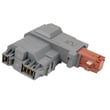
| Door closes but cycle will not begin | Door lock system | Door lock switch 131763256 |
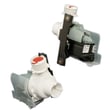
| Water will not drain, cycle pauses | Drain system | Washer drain pump 137108000 |
| Excess vibration, out-of-balance stops | Suspension/leveling | Level shock 5304485917 |
Why it matters
A hard reset clears temporary control logic faults, but it will not fix a mechanical failure (like a bad door lock switch, drain pump, or shock absorber). If the same problem returns quickly, troubleshooting the specific symptom saves time and prevents repeat shutdowns.
For electrical and safety basics (including proper power supply and safe servicing practices), follow the installation and safety instructions.
Last updated: January 2026
What is a suds saver?
A suds saver is a feature or setup that saves the soapy wash water (suds) from one load so it can be reused for the next load. On a Kenmore washer like model 41727182702, this was typically done with a separate tub or laundry sink next to the washer.
How a suds saver setup works
A traditional suds saver arrangement routes the drain water into a nearby tub instead of sending it straight to the household drain. You then reuse that saved wash water for another load.
Common steps in a suds saver routine:
- Wash the first load and drain the wash water into a separate tub
- Refill the washer using the saved sudsy water for the next load
- Drain the final rinse water normally to the household drain
- Repeat until the suds are too dirty or too weak to clean well
What it is not
A suds saver is not the same thing as a modern “suds” error or oversudsing condition. Oversudsing happens when too much detergent creates excess foam that can reduce cleaning and cause draining or spinning issues.
When suds saver matters (and when it does not)
Suds savers were mainly used to reduce water and detergent use. Most current laundry routines do not use suds saver tubs because modern detergents, water temperatures, and fabric types make reusing wash water less practical.
Quick comparison
| Item | Suds saver setup | Oversudsing problem |
|---|---|---|
| Purpose | Reuse wash water | Unwanted excess foam |
| Typical cause | Intentional plumbing/tub setup | Too much detergent or wrong detergent |
| Result | Saves water for another load | Poor drain/spin, residue, longer cycles |
Safety and installation notes
If you are routing drain water to a tub or sink, follow safe installation practices for your Kenmore 41727182702:
- Use a properly grounded outlet (no adapter plug or extension cord)
- Make sure the drain hose is secured so it cannot whip or slip out
- Keep the drain path clear to prevent overflow
- Do not mix chlorine bleach with ammonia-based cleaners in the laundry area
For the correct drain and rough-in requirements, use the installation guide.
Why it matters
Understanding what a suds saver is helps you separate an older water-saving method from modern washer problems like oversudsing, draining issues, or unbalanced loads.
Last updated: January 2026
What is the average lifespan of a Kenmore washer?
A Kenmore washer typically lasts 10 to 15 years. For the Kenmore 41727182702 (a front-load style platform), we most often see real-world life land around 10 to 12 years, with longer life when the washer is installed correctly and kept level.
Typical lifespan ranges (what to expect)
- Front-load washers: 10 to 12 years
- Top-load washers: 12 to 15 years
- Commercial or coin-operated use: often shorter due to heavier daily cycles
| Washer type | Typical lifespan | What usually ends it first |
|---|---|---|
| Front-load | 10 to 12 years | Bearings, door boot leaks, drain issues |
| Top-load | 12 to 15 years | Suspension wear, transmission or drive issues |
What extends the life of a Kenmore 41727182702
- Install on a solid floor and keep the cabinet level to reduce vibration
- Avoid chronic overloading; it strains the tub bearings and shocks
- Use the correct detergent amount to reduce residue and odor
- Leave the door ajar between loads so the tub and gasket can dry
- Check pockets and small items to prevent pump clogs
Parts that commonly affect “end of life” decisions
When a washer is near the end of its lifespan, these repairs are the ones that most often determine whether it is worth fixing:
- Door won’t lock or won’t start: Door lock switch 131763256
- Loud banging or excessive vibration: Level shock 5304485917
- Won’t drain or drains slowly: Washer drain pump 137108000
- Water on the floor at the front: door boot (bellows) and tub sealing surfaces
Why it matters
Knowing the typical lifespan helps you decide whether to repair or replace. If your 41727182702 is under about 10 years old, fixing a drain, lock, or hose issue is usually practical. Past 12 to 15 years, repeated leaks, bearing noise, or major tub work often signals it is time to move on.
For installation factors that directly impact vibration, draining, and long-term wear, follow the clearances, standpipe height, and electrical requirements in the 41727182702 installation guide.
Last updated: January 2026
How to unclog drain hose on Kenmore washer?
To unclog the drain hose on your Kenmore washer model 41727182702, unplug the washer, remove standing water, then disconnect and flush the drain hose to clear lint, coins, or small items. Reinstall the hose with a U-shape and an air gap to prevent siphoning.
Safety and prep
- Unplug the washer.
- Turn off hot and cold water faucets.
- Put towels and a shallow pan under the hose connections.
- Keep the drain hose end lower than the tub to control spills.
Steps to clear the clog
- Pull the washer forward to access the rear.
- Remove the hose from the standpipe or laundry tub first.
- Disconnect the hose from the washer outlet.
- Clear the hose:
- Flush with running water until it flows freely.
- Use a flexible drain snake or straightened coat hanger (do not puncture the hose).
- Shake out debris and re-flush.
- Reinstall the hose and tighten the clamp securely.
Install it correctly (prevents repeat clogs and siphoning)
The 41727182702 installation instructions specify forming a U-shape at the drain end and keeping an air gap around the hose in the standpipe.
- Form a U-shape at the end of the drain hose
- Do not create a tight, sealed fit in the standpipe
- Typical standpipe height range is 24 to 58 inches
| Issue | What it usually means | What to check |
|---|---|---|
| Won’t drain | Blockage in hose or pump | Hose flow; pump area for debris |
| Siphoning | No U-shape or no air gap | Hose shape; standpipe fit |
When a part is likely needed
If the hose is clear but draining is still poor, the pump can be jammed or failing. For this model, the replacement part is the washer drain pump 137108000.
Why it matters
A restricted drain hose causes standing water, odors, long cycles, and extra strain on the drain pump. Correct routing (U-shape plus air gap) prevents siphoning that interrupts washing and rinsing.
For the exact routing details, use the installation guide.
Last updated: January 2026