Error Codes





Does KitchenAid make a 30 inch wide refrigerator?
Yes. KitchenAid makes 30-inch-wide refrigerators, including several French door models. Your KitchenAid KSRS25QGWH01 is a side-by-side model, so a 30-inch option would be a different refrigerator model and cabinet size than what you have now.
What “30-inch wide” means when shopping
Refrigerator width is the outside cabinet width (not the door swing clearance). When replacing a refrigerator, we recommend measuring your opening and checking clearance for hinges, handles, and airflow.
Measure these before you buy:
- Opening width at the front and back (some alcoves taper)
- Height to the lowest cabinet or trim
- Depth to the wall, plus door and handle clearance
- Space needed for doors to open and drawers to pull out
- Water line location if you want ice and water
Quick comparison: 30-inch vs typical side-by-side
| Feature | 30-inch French door (typical) | Side-by-side like KSRS25QGWH01 (typical) |
|---|---|---|
| Width | 30 inches | Often wider than 30 inches |
| Freezer access | Bottom drawer | Full-height freezer door |
| Fit in tight kitchens | Better | Depends on model width and door swing |
Why it matters
A 30-inch-wide refrigerator is a common “tight-space” replacement size. Confirming width and door-swing clearance up front prevents delivery-day surprises and helps ensure your water dispenser and ice maker hookups line up.
If you are repairing instead of replacing
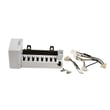
If your current KSRS25QGWH01 issue is ice production, leaks, or dispenser trouble, we often solve that with common service parts such as the ice maker assembly - refrigerator ice maker by whirlpool 4317943 or the refrigerator inlet valve W10853654.
Last updated: February 2026
How big is the KitchenAid KSRS25QGWH01?
The KitchenAid KSRS25QGWH01 is a full-size, 36-inch-class side-by-side refrigerator. For planning purposes, most units in this class fit a 36-inch-wide opening and stand about 69 to 71 inches tall; measure your exact width, height, and depth (including handles) before moving it into place.
What to measure (and where)
Use a tape measure and record these numbers:
- Width: widest point across the cabinet or doors
- Height: floor to the top hinge cover area
- Depth (cabinet): back of cabinet to front of doors (no handles)
- Depth (overall): include handles and any protruding trim
- Door swing clearance: space needed so doors open fully without hitting walls
Typical planning ranges for this style of KitchenAid side-by-side
These ranges help you plan the cutout and clearances; your exact KSRS25QGWH01 measurements come from measuring the unit in your home.
| Measurement | Typical range | Notes |
|---|---|---|
| Width | 35 to 36 in. | Built for a 36-inch opening |
| Height | 69 to 71 in. | Leveling legs and hinge cover affect height |
| Depth (overall) | 32 to 35 in. | Handles and door swing add depth |
| Capacity | 22 to 26 cu. ft. | Interior layout changes usable space |
Why it matters
Correct sizing prevents poor ventilation, doors hitting cabinets or walls, and drawers or the ice bin binding when you open the doors.
If the doors stop closing well after moving it
Door alignment affects fit and depth. If the door doesn’t “cam” closed smoothly, inspect the closer hardware; the refrigerator door closer cam WPW10329686 is a common wear item that helps the door lift slightly and close.
Last updated: February 2026
How many cubic feet is a KitchenAid KSRS25QGWH01 refrigerator?
The KitchenAid KSRS25QGWH01 is a 25.3 cubic foot side-by-side refrigerator (total capacity). That number is the rated interior volume; the usable space feels smaller once shelves, door bins, and the ice system are installed.
Capacity breakdown (what the numbers mean)
Refrigerator capacity is typically listed as total cubic feet, and sometimes split by compartment.
- Total capacity is the combined fresh-food plus freezer volume
- Usable storage is reduced by shelves, drawers, bins, and the ice maker/ice bin
- Airflow clearance matters; blocking vents reduces cooling performance
| Spec type | What you’re measuring | Why it can feel different in real use |
|---|---|---|
| Rated capacity (cu. ft.) | Standardized interior volume | Doesn’t account for shelves and bins taking space |
| Usable storage | What you can actually load | Changes with ice maker, ice bin, and bin layout |
What most affects usable freezer space
On side-by-side models like this, the ice system takes a noticeable share of freezer room.
- Ice maker installed vs removed
- Size and condition of the ice container
- Door bin configuration
- Keeping packages clear of the rear air tower/vents
If your ice container is cracked, missing, or not seating correctly, replacing it restores storage and helps prevent ice spills; see the refrigerator ice bin WPW10670845.
Why it matters
Cubic feet helps you compare refrigerators, but day-to-day satisfaction comes from layout and how much space remains after the ice maker and storage bins are in place.
Last updated: February 2026